What aromatherapy massage involves, why people book it, its skin and scent risks, and how it compares to Anmowell’s oil-free wave and sonic table sessions.





You’ve heard that an aromatherapy massage can melt away a week of desk-bound tension. Now you’re wondering whether the oils do the work or the hands do. Maybe you want something simpler, too — no undressing, no oil in your hair, no rearranging your afternoon. Both paths exist here in Bergen County. We’ll cover what aromatherapy massage actually involves and where to find it locally, then explain how Anmowell’s oil-free, clothes-on options — Sonic Table Therapy, Wave Table Therapy, and a handheld massage finish — go after the same back and neck relief in 45 minutes.
At heart, it’s hands-on massage combined with diluted essential oils rubbed into the skin and breathed in as you go. The strokes are usually Swedish-style: long gliding passes, kneading, light friction across the back and shoulders. The oils are the difference. Pure essential oil never goes straight onto skin — it’s blended into a carrier like jojoba, sweet almond, or fractionated coconut oil, usually at 1% to 3%.
So two things happen at once. Scent molecules travel through your nose to the olfactory system, which links fast to the brain regions tied to mood and memory. At the same time, the therapist’s hands warm muscle and work out tight spots. Researchers have asked whether adding scent changes anything for stubborn pain, and one registered trial on aromatherapy massage in chronic low back pain is testing that exact question.
Common blends come with reputed jobs. Lavender to wind down, peppermint for alertness, eucalyptus when you’re congested, chamomile when you’re short-tempered. Scent preference is deeply personal, though. A smell one person finds calming makes someone else queasy. That’s part of why these sessions feel so tailored.
Expect 50 to 90 minutes. You’ll fill out a short intake form, flag allergies or sore areas, and the therapist mixes or picks a blend from that conversation. Some hand you two or three strips to sniff first. You undress to your comfort level and lie under a sheet, draped the whole time, with only the working area uncovered.
The therapist warms oil in their hands and moves region by region — back, shoulders, arms, legs, sometimes scalp and neck. Rooms are dim and quiet. The oil stays on your skin afterward, which is why most people shower at home instead of right away. New to bodywork of any kind? Reading up on what to expect on a first visit removes most of the guesswork.
One plain point: this is an oil-based, hands-on service. You’ll find it at day spas and with licensed massage therapists, and plenty of wellness studios don’t offer it. If you’re comparing massage and wellness options in Bergen County, call ahead and ask directly. Menus vary more than people assume.
Ask ten people why they booked. You’ll hear the same short list. Trouble falling asleep. Anxiety that won’t quit. Tension headaches, menstrual cramps, that flattened fatigue after a bad cold, and neck-and-shoulder tightness from eight hours at a monitor. Practical, not mysterious.
The research is real but modest. Small trials and reviews tend to report short-term drops in self-reported anxiety and better sleep quality, measured right after the session or within a few days. Effect sizes are small. Benefits often fade. Samples of 30 or 40 people are common, and you can’t really blind someone to a lavender scent. To see how wide the published work runs, browsing collected research summaries on aromatherapy shows how many small studies sit behind a few cautious conclusions.
There’s a variable problem nobody has cracked, either. You get touch, a dim quiet room, an hour without your phone, and a scent — all at once. Untangling which piece did the work is genuinely hard. Honestly, most people don’t care.
Set expectations at the right level. A good session is a comfort and relaxation intervention, not treatment for a diagnosed condition. It won’t fix a disc problem or resolve chronic migraine. It can turn the volume down for a while, and that’s worth something on its own. Pairing it with a steady massage self care routine at home stretches the effect further than any single visit will.
Some symptoms belong with a clinician first. Nerve pain shooting down an arm or leg. Numbness or tingling that doesn’t pass. Swelling with no explanation. Recent surgery. Pain that wakes you at two in the morning. Those patterns need a physician or physical therapist, and hands-on work — however pleasant — can delay a diagnosis you need now.
Ordinary desk-job stiffness is a different calculation. Reading up on practical approaches to massage for neck and shoulder pain helps you decide whether a session or a clinician visit fits. When in doubt, get cleared first.
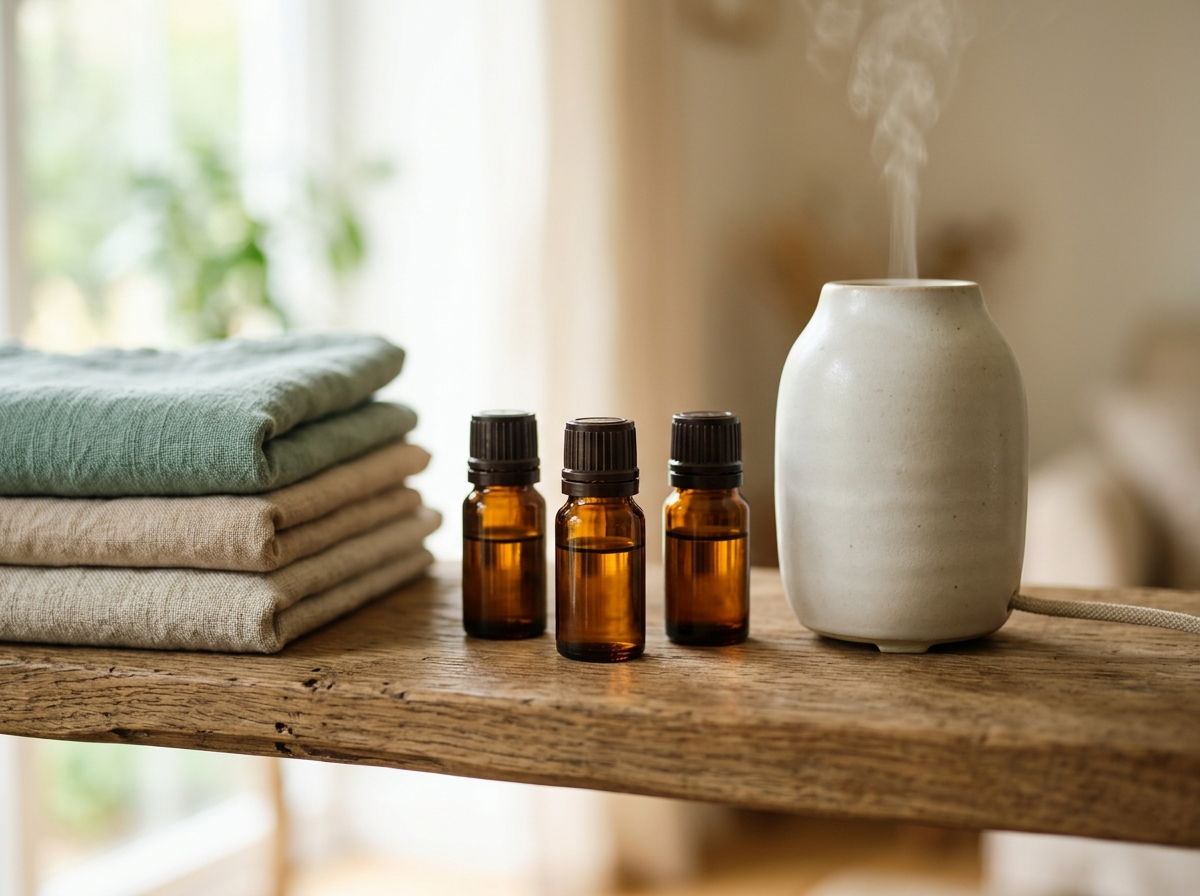
Essential oils are potent plant concentrates, not lotion. Applied undiluted or badly diluted, they can cause skin sensitization and contact dermatitis — redness, itching, sometimes a rash that shows up hours later. Once you’re sensitized to an oil, that reaction usually sticks around for good. A patch test helps. Dab the diluted blend on your inner forearm, leave it 24 hours, and see what happens before anyone spreads it across your whole back.
Scent and sunlight bring their own trouble. Citrus oils like bergamot, lemon, and bitter orange are phototoxic, so a sunny afternoon after your session can leave blistering burns on treated skin. Strong fragrance is also a well-documented trigger for asthma attacks and migraines. If perfume in an elevator sets you off, a scented room will too.
Some groups need extra caution before any oil touches them:
Most reactions are mild and brief: a little redness, a warm tingle, a mild headache, or queasiness from a scent that’s too heavy. Watch anything that spreads, swells, or itches past a day. Hives, wheezing, or a tight throat mean stop and call a doctor. Oil residue can also clog pores or flare acne on your back, which is why some people go fully clothed and oil-free instead — comparing local relaxation studios in Fort Lee is a reasonable step when you already know oils don’t agree with you, and most places will explain their setup over the phone.
Here’s what nobody advertises. No government or industry body grades essential oils. “Therapeutic grade” and “clinical grade” are trademarked marketing phrases, not certifications. Purity swings wildly between suppliers, and cutting oils with synthetic fragrance compounds is common. Brands like Aura Cacia, NOW Foods, and Plant Therapy publish GC/MS test reports for individual batches, which tells you far more than any badge on the bottle.
Ask direct questions before you book. Which carrier oil do they use — jojoba, fractionated coconut, sweet almond (a nut, so speak up if you’re allergic)? What dilution, by percentage? Is the blend optional, or baked into every session? A good front desk answers plainly, and if you’d rather email ahead, most studios have a contact us form for exactly that. Vague answers are your answer.
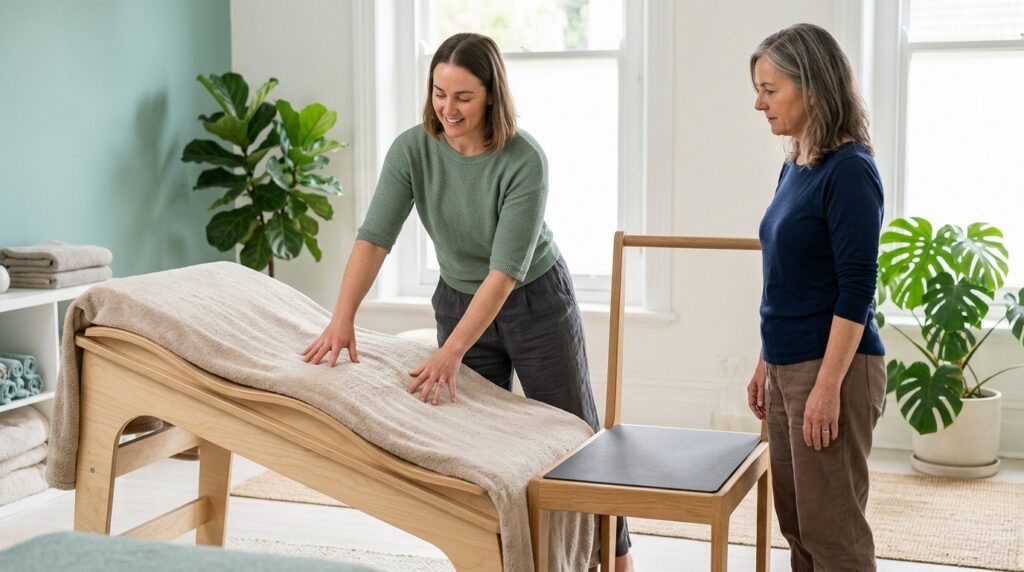
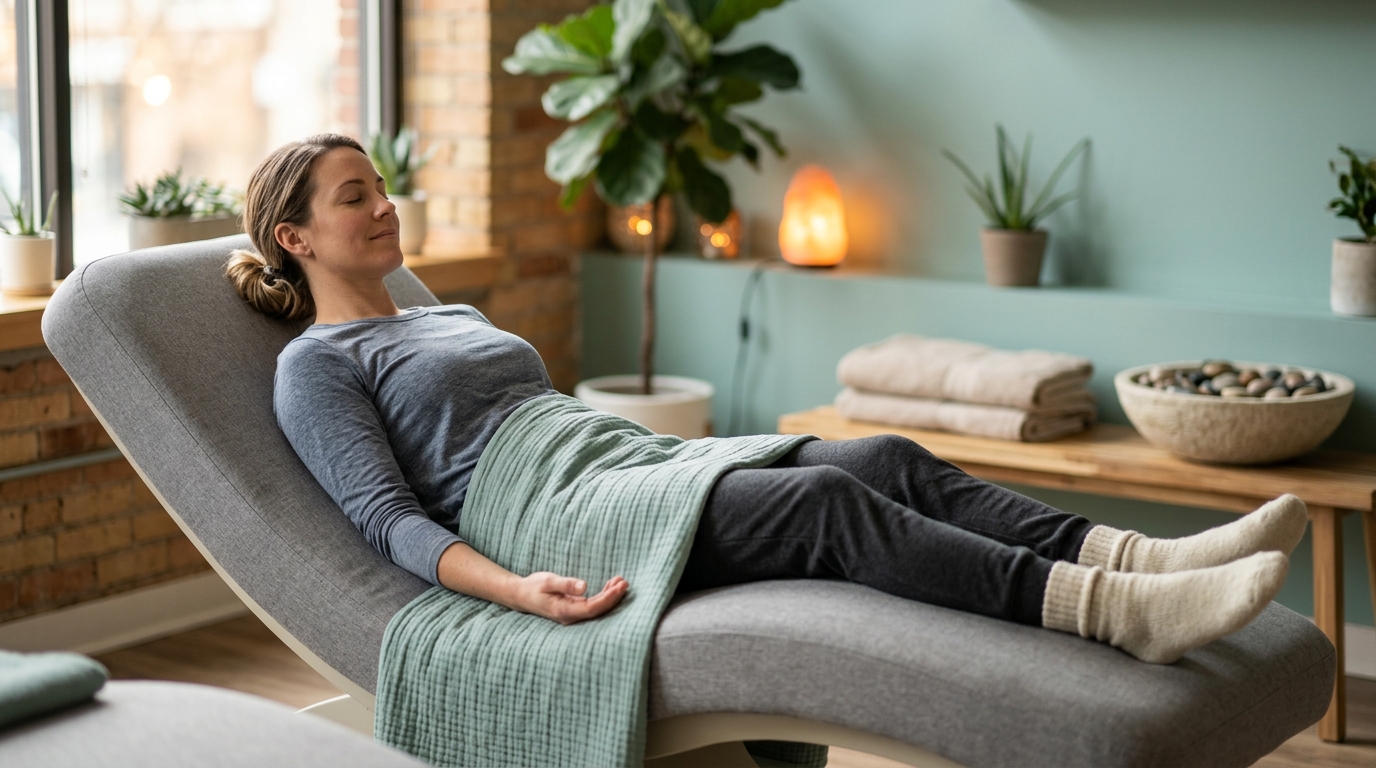
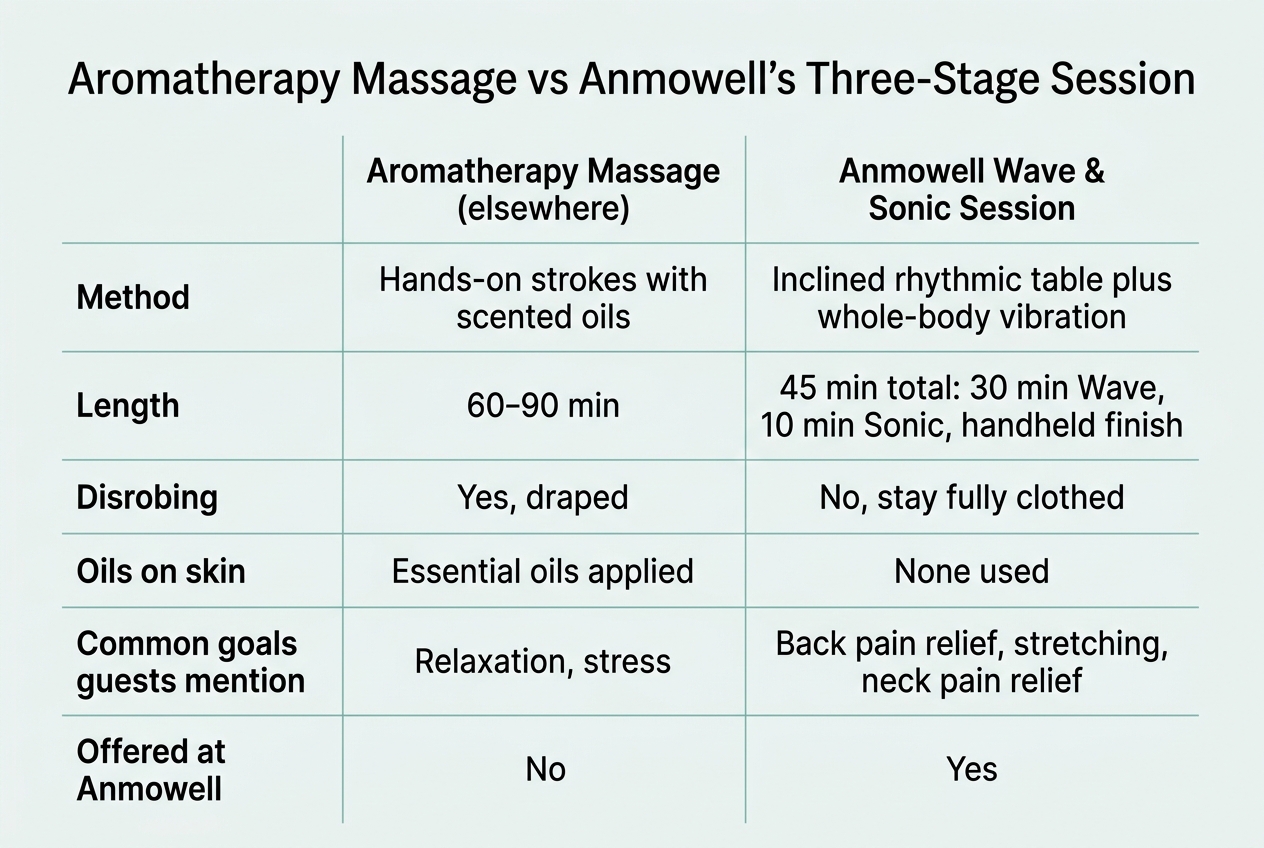
Aromatherapy massage is something you book at a day spa or with a licensed massage therapist. Scented oil, hands-on strokes, a table you undress for. A three-stage wave and sonic session chases the same goal down a completely different road: 30 minutes on a rhythmic inclined table for spinal decompression, 10 minutes of vibration therapy working upward from the feet, then a 5-minute handheld massage on the back and shoulders. That’s 45 minutes, fully clothed, start to finish.
Line up the details and they look nothing alike. Here’s how they differ on the things people ask about before booking.
| Feature | Aromatherapy Massage | Wave & Sonic Table Session |
|---|---|---|
| Clothing | Undress to comfort, draped with a sheet | Fully clothed the whole time |
| Oils and scent | Carrier oil plus diluted essential oils; scent throughout | No oils, no scent exposure at all |
| Pressure source | Therapist’s hands, manual strokes | Mechanical motion and vibration, plus a brief handheld finish |
| Typical length | 60–90 minutes | 45 minutes (30 + 10 + 5) |
| Shower after / best for | Usually yes; suits people who want touch and fragrance | No residue, walk out as you came; suits the fragrance-sensitive and the modest |
Some folks just don’t want to be greasy at 2 p.m. on a Tuesday. Skip the oil and you skip the shower, the laundry, the lavender clinging to your hair. If you’re fragrance-sensitive, that beats convenience by a mile. Intensity adjusts on both the wave table and the handheld stage, so you decide how firm it feels — a detail worth reading up on in this wave and sonic massage therapy guide before your first visit.
The ritual doesn’t vanish, either. A heated eye mask during the wave stage and tea afterward carry the calming part, and client reviews often mention back and neck relief alongside that wind-down feeling. Different route, same destination.
Booking a relaxation session means picking from a crowded menu, and the names rarely tell you what happens to your body. Here’s a side-by-side look at the most common options in Bergen County and beyond.
| Modality | Main goal | Technique | Clothing | Typical setting |
|---|---|---|---|---|
| Aromatherapy massage | Scent-supported relaxation | Gliding hands-on strokes with diluted essential oils | Undressed to comfort, draped | Day spa, licensed therapist’s room |
| Swedish massage | General calm and circulation | Long strokes, kneading, light to medium pressure | Undressed to comfort, draped | Spa or private practice |
| Deep tissue massage | Chronic tightness in specific layers | Sustained firm pressure, slow strokes | Undressed to comfort, draped | Clinical or therapeutic practice |
| Thai massage | Range of motion | Assisted stretching, therapist moves your limbs | Fully clothed, loose fit | Floor mat studio |
| Wave and sonic table session | Passive decompression and whole-body vibration | Inclined rhythmic traction, then mechanical oscillation from the feet up | Fully clothed, no oils | Appointment-based wellness studio |
Two more formats round out the list. Chair massage is the 10-to-15-minute over-clothes option you see at offices and airports, done by a licensed therapist on a seated frame. Hydromassage beds push pressurized water jets through a waterproof barrier, so you stay dry while the pressure comes from water. Wave and sonic tables are dry as well — no water, no draping, nothing on your skin.
Thai work depends on a therapist moving your legs and arms through stretches. A wave table doesn’t do that. The incline and rhythm create traction while you lie still, which is why regulars call it stretching without being stretched. Deep tissue means sustained firm hand pressure on one target area. Sonic table vibration is whole-body oscillation and simply isn’t the same thing — just a different sensation. It’s a fair question to ask, and the honest answer is no.
Context helps when every tool on the shelf promises wellness. Reading up on whole body vibration therapy benefits alongside independent write-ups is worth ten minutes. Same goes for understanding how filtration systems work before you spend on any at-home wellness device — mechanism first, marketing second. Thai, Swedish, deep tissue, and chair massage are all booked with licensed massage therapists elsewhere; a wave and sonic studio’s menu doesn’t include hands-on modalities, and its full services page reflects that. Want a longer break with no change of clothes? A 45-minute fully clothed session is the comparable choice.
Scented oils feel harmless. They aren’t always. Many essential oils carry specific cautions during pregnancy, and dilution ratios matter far more than most spa menus admit. A few drops in a carrier oil is a very different thing from a heavy blend worked across the lower back for an hour.
If you’re pregnant and want bodywork, see a licensed massage therapist with prenatal certification. They’re trained in positioning, bolstering, and which areas to leave alone. Wave and sonic table sessions are another story. Guests who are pregnant are asked to check with their doctor before booking, and the tables aren’t offered during pregnancy at all. The same caution applies to the sonic table for anyone trying to conceive. Early postpartum weeks are no exception — ask your doctor first, about anything.
Vibration and inclined traction reach the whole body, so the screening list runs longer than you’d expect. Read it before you pick a date. It also helps to know how gentle movement and massage for better circulation differ from clinical care you’d get from a physician.
No medical advice is given at the studio. And before you compare pricing across providers, anyone with a medical condition, recent injury, or ongoing treatment should clear it with their doctor.

A little prep changes everything. Drink water beforehand, eat something light about an hour out, and show up 10 minutes early so you’re not walking in mid-rush. At intake, mention headaches, fragrance sensitivities, recent injuries, and medications — reading up on essential oil safety and common reactions helps you ask sharper questions about scented work before you commit.
Once you’re on the table, speak up. Adjusting pressure, intensity, or scent strength mid-session is normal and expected, not rude. A few practical details worth planning around:
Consistency beats intensity. Most people report clearer results from four short weekly sessions than one long, punishing appointment — and looking into vibration therapy options in Fort Lee is one way to see what a weekly rhythm costs locally. One heroic session won’t undo eight months at a desk. Look for introductory rates on a first visit, 4- and 10-session bundles, or monthly unlimited if you’re going weekly.
Scheduling matters too. Appointment-based studios with a 24-hour cancellation window and free parking make weekday evenings much easier to keep.
Start with the mechanics. What happens in each stage, how long does each one run, and can you adjust intensity partway through? A three-stage oil-free session usually breaks down as 30 minutes on an inclined table, 10 minutes of vibration from the feet up, and a 5-minute handheld finish on the back and shoulders. Ask whether stages two and three can be dialed down. Anything adjustable is worth knowing about before you’re lying down.
Then ask about intake. A real screening conversation covers pregnancy, implanted devices like pacemakers or defibrillators, clotting disorders, recent surgery or fracture, spinal injury within the past year, osteoporosis, glaucoma, vertigo, and uncontrolled blood pressure. Some of those rule out the tables entirely, and a good provider will say so instead of offering a gentler setting. Pregnant or in the early postpartum weeks? Talk to your doctor first — and for hands-on prenatal work, a licensed prenatal therapist is the right call.
The signals of a studio worth trying are boring but reliable. Consistent recent reviews rather than a stale cluster from a year ago. Staff who explain the mechanism in plain words. Pricing you can see before you arrive. An intake that isn’t just a waiver shoved at you. If nobody asks a single health question, that tells you plenty. Reading up on how vibration therapy affects back pain helps you judge whether the explanation you’re getting holds up.
Clients at the Fort Lee studio on this list keep mentioning the same three things. Welcoming, informative staff who take time to explain. Relief across the back and neck. That stretched-out feeling after the inclined table stage. It’s a useful signal, because it tells you what the experience actually delivers. The introductory first session runs $38 for new clients, with 4-session and 10-session bundles and a monthly unlimited membership after that.
Practical details: 2460 Lemoine Ave, Suite 501, Fort Lee, NJ 07024, reachable at (201) 429-2265, with free parking and staff speaking English, Mandarin, and Cantonese. Clients come from Fort Lee, Cliffside Park, Palisades Park, Edgewater, Leonia, Englewood, and greater Bergen County. Hours take planning. Monday and Thursday are by appointment only, Tuesday and Wednesday are closed, Friday and Saturday run 10 AM to 9 PM, and Sunday is 2 PM to 8 PM.
So how do you choose? If scent and hands-on oil work are the whole point for you — and research on the psychological effects of essential oils suggests the aroma itself does something — book a licensed massage therapist or an established day spa nearby. If you’d rather skip oils, disrobing, and deep pressure altogether, a first 45-minute fully clothed session is a low-commitment way to compare the two yourself.
The honest question isn’t which technique has the best reputation, but which one matches what your body is actually asking for right now — targeted hands-on pressure from a trained therapist, the assisted stretching of a traditional session, or something passive that lets your back and neck unwind without you doing the work. It’s worth being clear-eyed about your own history too: recent surgery, a spinal injury, pregnancy, an implanted device or a clotting condition all change the answer, and a quick conversation with your doctor is the right first step rather than an afterthought. Whatever you land on, the people who feel best about their choice tend to be the ones who asked plenty of questions upfront and got informative, unhurried answers.