Fundal massage is a clinical postpartum procedure, not a spa service; Anmowell’s table therapies address everyday tension, not uterine care after birth.




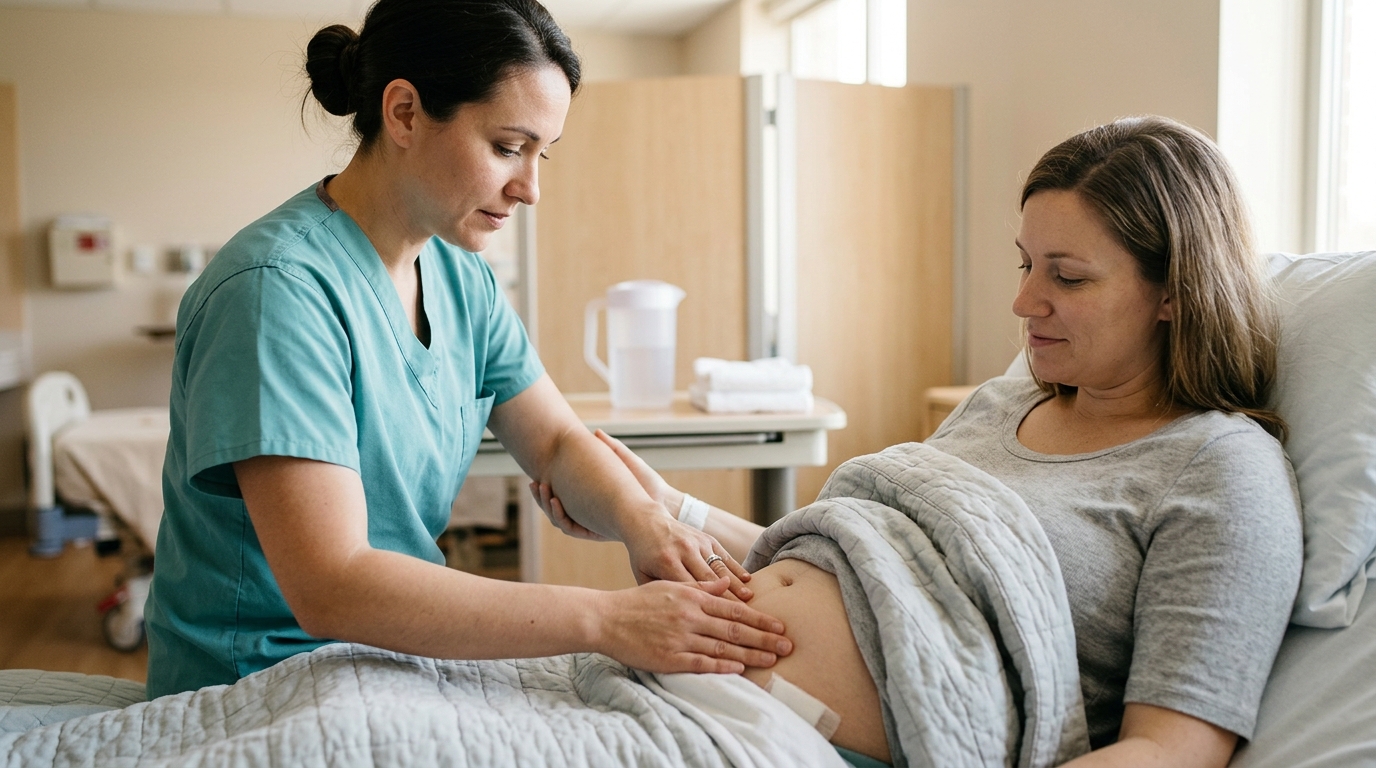
If you’re pregnant or recently gave birth, you’ve likely heard a doctor or midwife mention fundal massage during labor and postpartum recovery. It’s a clinical technique, not a spa service. This article breaks down what it actually involves, why hospitals use it, and where the confusion with relaxation massage comes in. Anmowell does not offer fundal massage, and guests who are pregnant or in early postpartum weeks should check with their doctor before booking any table session.
The name is literal. The “fundus” is the rounded top part of the uterus. This hands-on technique involves firmly rubbing that area right after childbirth. It’s a uterine massage, not a spa term borrowed loosely. Clinicians use it to encourage the uterus to contract back down after delivery, which helps control bleeding at a moment when that matters enormously. There’s nothing relaxing about the intent behind it.
This is a postpartum obstetric procedure, full stop. It happens in a delivery room or recovery ward, not anywhere near a wellness studio or spa menu. If you’re searching for this term expecting a calming service, you’re in the wrong neighborhood entirely. Some people find themselves on this page after searching broadly for massage wellness near you bergen county and landing on medical content by accident, which is understandable given how similar the words sound.
The confusion is fair. Both involve the word “massage,” both involve the human body, and that’s roughly where the overlap ends. One is a clinical safety intervention tied to childbirth. The other, broadly speaking, covers relaxation and recovery services aimed at everyday muscle tension. Knowing the difference upfront saves you a confusing phone call.
A nurse, midwife, or doctor performs fundal massage, usually within minutes of the placenta being delivered. It’s done with trained hands, firm pressure, and a clear medical goal: reducing the risk of postpartum hemorrhage. Timing matters here. This isn’t scheduled days later during recovery — it happens immediately, often while the mother is still in the delivery bed.
No booking system, no intake form, no choice of time slot. It’s part of standard delivery-room protocol at hospitals and birthing centers, built into the care plan the same way monitoring blood pressure is. The person performing it is reading the uterus for firmness, checking bleeding, and adjusting pressure accordingly — judgment calls that come from clinical training, not a service menu.
That’s worth repeating plainly: nobody books this, and nobody should expect to find it offered as a wellness treatment anywhere. Any business using similar-sounding language to describe a massage service is talking about something else entirely. It’s worth understanding that distinction before you book anything postpartum-related.
Right after a baby is born, the uterus has one urgent job: contract down and stay firm. That firmness, called tone, is what closes off the blood vessels left exposed at the site where the placenta was attached. If the muscle stays soft or relaxed instead of clamping down, blood loss can become dangerous fast. This condition is called uterine atony, and it’s the leading cause of postpartum hemorrhage. Clinicians check tone constantly in the first hour after birth, because that window matters most.
In plain terms, a nurse or midwife will place a hand on the lower abdomen and feel for the top of the uterus, called the fundus. If it feels soft or boggy rather than firm, like a grapefruit instead of a clenched fist, they’ll use a firm, cupped-hand technique to encourage it to contract. It’s not a spa technique, and it’s not meant to feel relaxing. It’s a brief, purposeful clinical action, often repeated at intervals, sometimes paired with medication to help the uterus hold its tone.
This is strictly a hospital or birth-center procedure, carried out by trained labor and delivery staff as part of standard postpartum monitoring. It is never something a client should attempt at home, and it has nothing in common with relaxation-oriented bodywork. Separately, plenty of people look for general massage self care routine habits once they’re medically cleared for normal activity, but that’s a different goal entirely, addressed on an entirely different timeline, and always with a doctor’s input first.
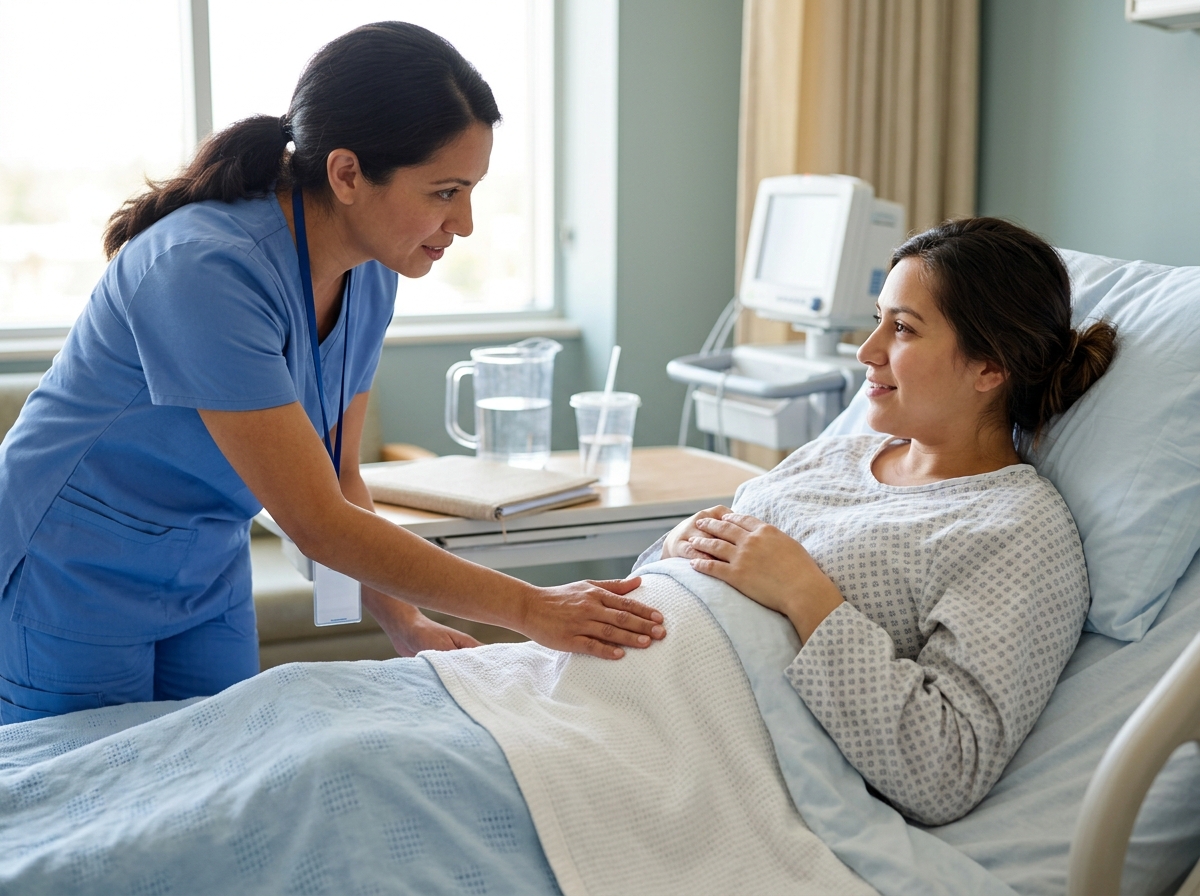
Here’s the short version: these two things don’t belong in the same sentence, except to tell them apart. One is a medical procedure performed by a nurse or midwife on a new mother’s uterus. The other is a relaxation service aimed at stiff shoulders, tight backs, and sluggish circulation. Same word “massage” shows up in both. That’s about where the similarity ends.
| Factor | Clinical Fundal Massage | General Wellness Massage Therapy |
|---|---|---|
| Who performs it | Nurse, midwife, or OB provider | Massage therapist or wellness technician |
| Where it happens | Hospital or birthing center | Spa, studio, or wellness center |
| Goal | Control postpartum bleeding, firm the uterus | Ease tension, improve relaxation and circulation |
| Technique | Firm, direct hands-on pressure to the abdomen | Varies widely: kneading, vibration, stretching, inclined motion |
| Timing | Minutes to hours after delivery | Any time, for ongoing maintenance or recovery |
Notice the goal column. That’s the real divide. Clinical fundal massage exists to manage a specific medical event: uterine atony after birth. It’s not about comfort, and it’s not optional self-care. Wellness massage, by contrast, is built around things like desk-job stiffness, post-run soreness, or just not sleeping well. If you’re researching this topic because you’re pregnant or newly postpartum, understanding services page options at any wellness studio won’t answer your question. You need obstetric guidance, not a spa menu. A dedicated provider trained in postpartum care is the right call, every time.
Let’s be direct about this. Whole-body vibration and inclined traction are not offered to anyone who is pregnant or currently trying to conceive. That’s not a house preference, it’s a hard line. The Sonic Table’s vibration and the Wave Table’s rhythmic incline both fall under contraindications that apply across pregnancy, no exceptions and no “lighter setting” to make it workable. There is no modified version of either table for this group, and a provider acting in good faith won’t pretend otherwise just to fill a booking.
Early postpartum deserves the same seriousness, even once the pregnancy itself is behind you. The weeks after delivery carry real, ongoing physical changes, and nobody outside your medical team can judge when your body is cleared for bodywork again. Before considering any wellness table session, talk to your doctor first. This is a short, two-sentence rule, but it matters: ask before you book, not after. Skipping that step isn’t worth the risk, no matter how relaxing the session sounds.
So who should you actually call? A licensed prenatal or postpartum massage therapist trained in pregnancy-safe positioning and technique, or your OB or midwife if you’re dealing with delivery-related pain, swelling, or recovery concerns. These are clinical questions, and they deserve clinical answers, not a wellness studio’s best guess. If you’re curious about what vibration therapy does for circulation and muscle tension in non-pregnant adults, it’s worth separately learning about whole body vibration therapy benefits so you understand the distinction between general wellness use and pregnancy-specific care. The two are not interchangeable, and treating them as such helps no one.
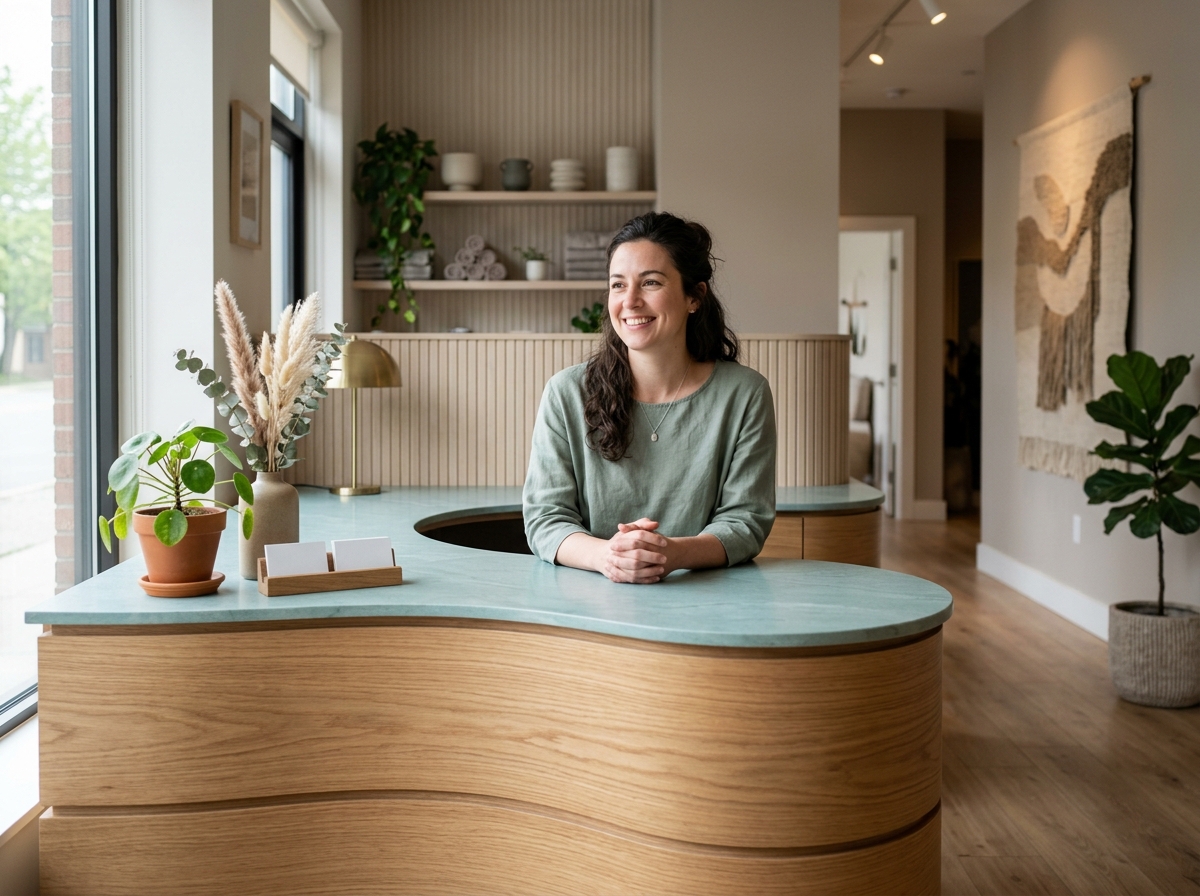
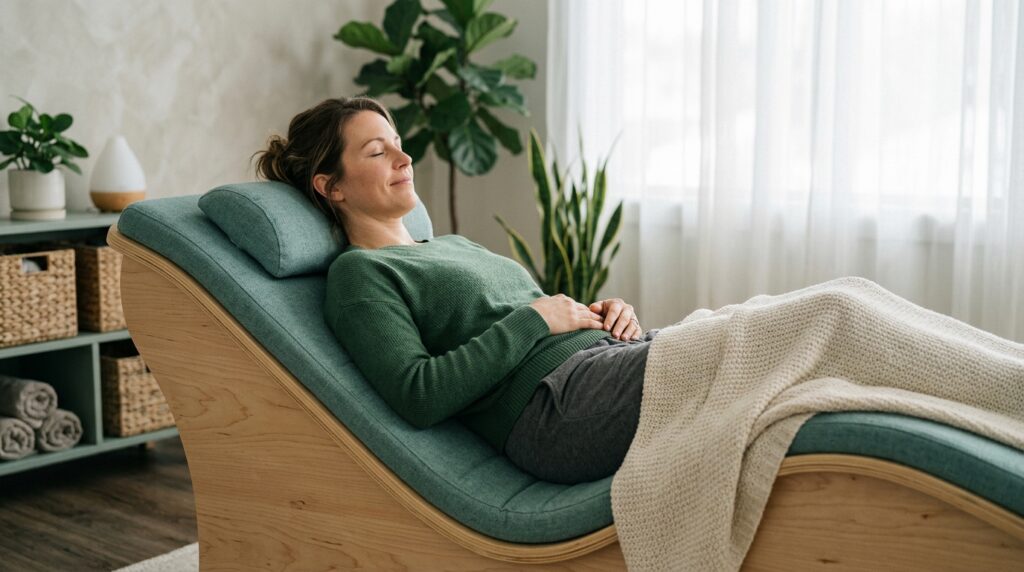
Wave Table therapy is a 30-minute rhythmic inclined table session built for spinal decompression. It’s gentle traction, aimed at easing the squeeze on your spine after hours of sitting. Guests who are pregnant should check with their doctor before booking, since that’s one of several contraindications on file for this service, and the tables aren’t offered as an option during pregnancy. For everyone else dealing with ordinary stiffness, the motion is slow, adjustable, and fully clothed throughout.
Sonic Table therapy runs just 10 minutes, with vibration starting at the feet and working upward. It’s designed to support circulation and help muscles recover after activity, not to replace medical treatment. Think of it as a recovery add-on between training sessions rather than a substitute for sports-specific bodywork. The handheld massage closes things out: five minutes of targeted attention on the back and shoulders, where tension likes to camp out after a long week at a desk.
So who actually fits this picture? Here’s the honest rundown:
None of this touches childbirth recovery. For a broader look at how the stages fit together, the wave and sonic massage therapy guide walks through what each stage targets and why. These sessions exist for ordinary stiffness and soreness — not as postpartum or prenatal care, and not as a stand-in for a clinician’s guidance.
Walking in for the first time, you won’t be handed a gown or asked to undress. That’s the whole point. A full session runs about 45 minutes and moves through three stages, and you stay fully clothed for every minute of it. There’s no oil, no deep pressure, nothing invasive about any of it. If you’ve only ever tried hands-on bodywork before, this feels different right away — quieter, slower, less like “treatment” and more like a reset.
Here’s roughly how the 45 minutes unfolds, stage by stage:
None of this is deep-tissue work, and it isn’t trying to be. Readers curious about the mechanics behind the inclined motion can find a fuller wave massage guide that breaks down the Wave Table in more detail. For most first-timers, the handheld finish is the part that sticks — it’s personal, brief, and it’s the one stage where you’re actually directing the pressure yourself.
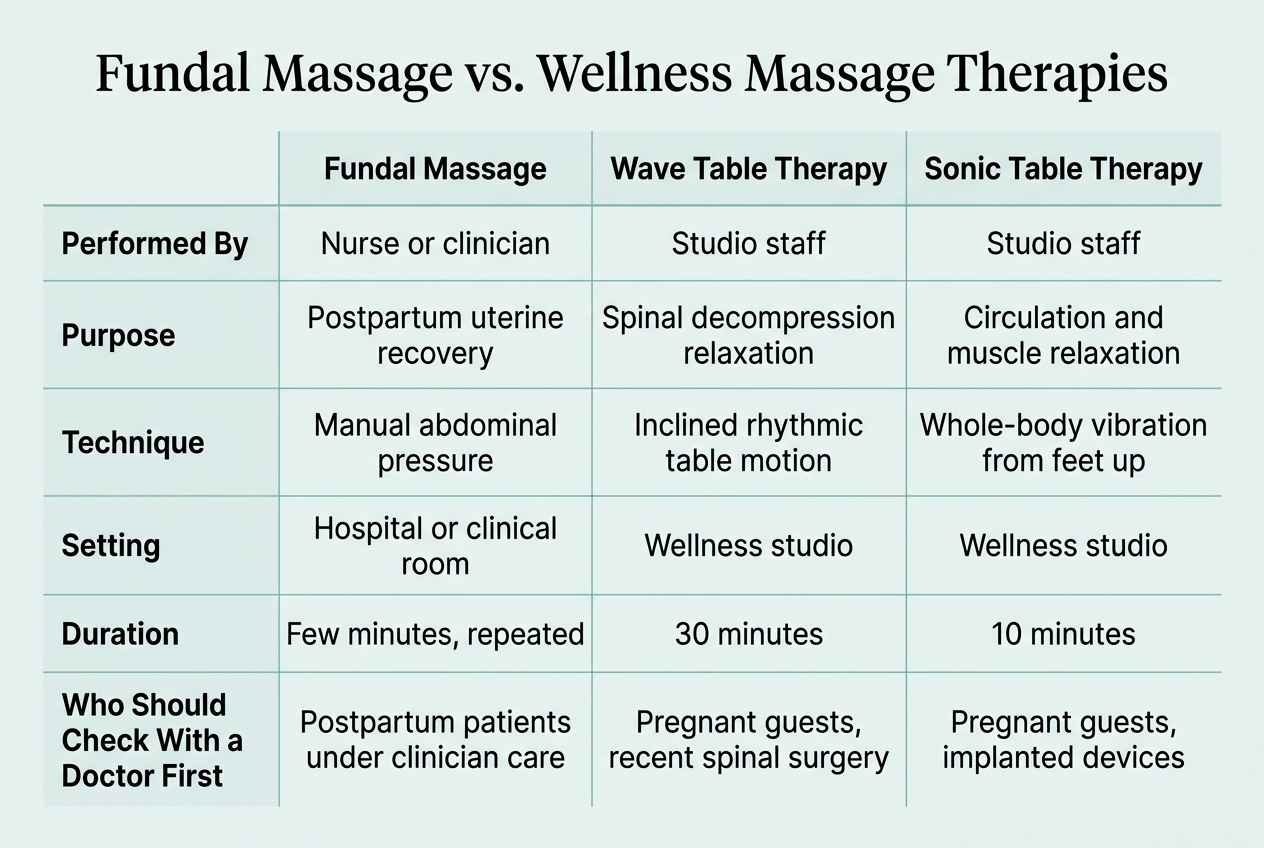
People searching for fundal massage information often land here while comparing it with wellness bodywork, so it’s worth being clear: these are different worlds entirely, one clinical and one relaxation-based. The comparison that actually matters for most readers is how a dry, fully clothed table session stacks up against the hands-on massage styles you already know. Below is a quick side-by-side, not to rank one above another, but to help you pick what fits your body and your schedule.
| Approach | Contact Style | Typical Duration | Best Fit For |
|---|---|---|---|
| 45-minute Wave and Sonic session | No disrobing, no hands-on work | 45 minutes | Relaxation without hands-on contact |
| Swedish massage | Hands-on, oil-based | 60–90 minutes | Classic full-body relaxation |
| Deep tissue massage | Firm, sustained pressure | 60–90 minutes | Chronic muscle tightness needing pressure |
| Thai massage | Assisted stretching, floor mat | 60–120 minutes | Active flexibility and joint mobility |
| Chair massage | Seated, upper body only | 10–15 minutes | Quick office or lunch-break reset |
Notice the gaps. Deep tissue leans on firm, sustained hands-on pressure to work into tight muscle; the vibration from a Sonic Table is a different sensation altogether, not a substitute for that kind of pressure work. Thai massage uses a practitioner to actively stretch your limbs; an inclined table just lets gravity and gentle motion do passive traction while you lie still. Trigger point therapy hunts down one specific knot and presses it out. A Wave or Sonic session doesn’t target points at all — it relaxes muscle broadly across your back, neck, and legs. If your only option most days is a 15-minute chair massage between meetings, a 45-minute table session is a longer, fuller reset, though obviously not something you squeeze in standing up at your desk. None of these are better or worse, across the board. They solve different problems.
Most people who book a table session aren’t chasing a cure. They’re just tired, tight, and sitting too much. The list below covers who tends to notice the biggest difference, and why.
Here’s the blunt part. These tables aren’t for everyone, and no amount of “adjustable intensity” changes that. Guests who are pregnant or trying to conceive, anyone with a pacemaker or similar implanted device, and those with a known blood clot or clotting disorder should not use the Sonic Table. The same caution applies to anyone who’s had surgery, a fracture, or a joint replacement in the past six months, or who lives with severe osteoporosis, an acute hernia, retinal detachment, a seizure disorder, active cancer, or uncontrolled heart disease. The Wave Table carries its own list: uncontrolled high blood pressure, glaucoma, heart disease or stroke history, recent spinal surgery or fracture, spinal instability, and vertigo or balance disorders all rule it out. None of this is medical advice — it’s a reason to call your doctor before you call to book.
If you’re curious but not ready to commit, the $38 introductory session is the easiest way to test the tables without overthinking it. That price is for new clients only, and it typically covers a trial of the format rather than every add-on. Once you know what works for you, pricing shifts toward a single session pass, a 4-session bundle, a 10-session bundle, or a monthly unlimited membership for anyone who wants this as a regular habit rather than an occasional treat.
Hours run a little differently than your average spa. Monday and Thursday are by appointment only, Tuesday and Wednesday the studio is closed entirely, Friday and Saturday run 10 AM to 9 PM, and Sunday hours are 2 PM to 8 PM. Because slots are limited, it’s worth reading up on first visit what to expect before you show up, so you’re not guessing at paperwork or timing once you’re there. A 24-hour cancellation notice is required, so plan ahead if your week is unpredictable.
Practical details matter too. Free parking is available, which is not nothing in this part of Bergen County. Staff speak English, Mandarin, and Cantonese, so language shouldn’t be a barrier to asking questions about intensity or comfort. The studio sits at 2460 Lemoine Ave, Suite 501, Fort Lee, NJ 07024, with phone support at (201) 429-2265 for anyone who’d rather talk through options before booking online.
Geographically, it’s built for convenience across several towns, not just Fort Lee proper. Clients regularly come from Cliffside Park, Palisades Park, Edgewater, Leonia, and Englewood, plus the wider Bergen County area. That matters if you’re comparing drive times against other wellness options nearby. It’s a short list of towns, but it covers a lot of daily commuters and desk workers who just need somewhere close enough to actually use.
Choosing between hands-on bodywork and a vibration-based table often comes down to what you’re actually trying to solve, how hands-on you want the session to be, and whether any of the caution points apply to you. It’s worth asking what a particular method can realistically offer you right now, rather than assuming every option suits every body or every stage of life. Talking it through with a doctor when you have a medical condition, and being honest about what you want from a session, usually points to the right answer faster than guessing.
Temporary closure
The studio is closed while our team is away. You are welcome to book ahead for after we reopen.
Thank you for your patience. See you soon.