Discover how acoustic wave therapy relieves muscle tightness and pain while boosting circulation. Explore Anmowell’s 2026 guide to results and treatment steps.




Persistent muscle tightness, stubborn pain, or slow-healing tissue can limit your daily life even after trying stretching, rest, or over-the-counter remedies. Acoustic wave therapy offers a non-invasive, clinically supported approach that stimulates circulation and speeds up the body’s natural repair process at the source of discomfort. This 2026 guide breaks down how the treatment works, what results you can realistically expect, and how Anmowell’s wave and sonic massage technology is helping people move, recover, and feel better.
The therapy relies on low-frequency sound waves that move through skin and soft tissue. These pulses create gentle pressure changes as they travel. That pressure boosts blood flow, relaxes tight muscle fibers, and wakes up nerve receptors near the surface.
Unlike static pressure from hands or rollers, wave energy pulses in rhythm. That rhythmic action sets it apart from a standard massage. Sessions often use a specialized bed, so waves can reach large muscle groups at once instead of just one small area.
Frequency and intensity matter. Wellness settings use softer, broader waves built for comfort and circulation, not deep tissue disruption. This keeps the experience calming rather than intense, while still delivering a noticeable physical response by the end of a session.
Clinical shockwave therapy uses strong, focused pulses to treat specific injuries, like plantar fasciitis or tendon damage. It’s often uncomfortable, and it’s aimed at one small point on the body.
Wellness and sonic massage variants work differently. They spread gentle vibration across larger areas for relaxation, tension relief, and circulation support. Many people explore this distinction in a detailed wave and sonic massage therapy guide before booking a first session. Some also research options like massage for sciatica when nerve-related discomfort is a concern.
Shockwave technology began decades ago in medical settings. It was first developed to break down kidney stones without surgery. Therapists later adapted lower-intensity versions for muscle and joint recovery.
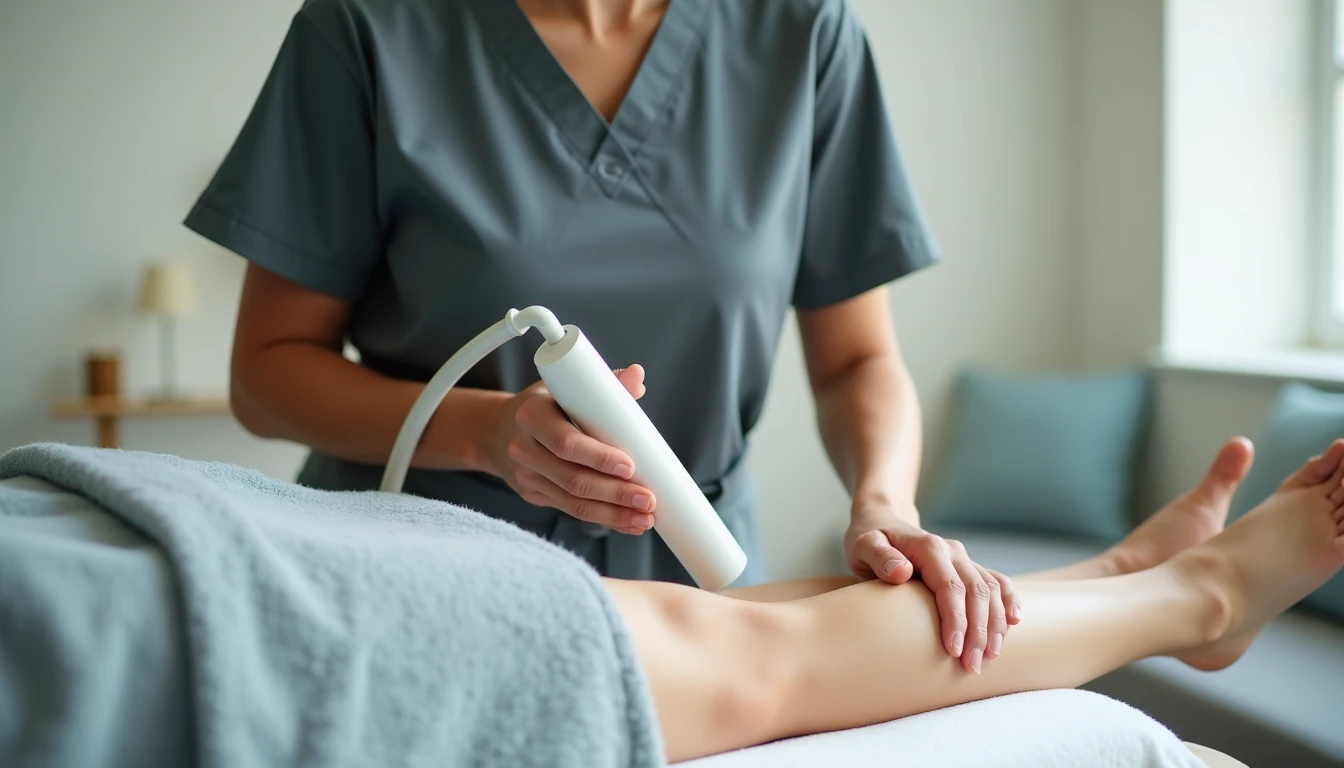
Today, spas and recovery clinics use refined versions, including Wave Table Therapy, Sonic Table Therapy, and Handheld Massage tools. Their rising popularity comes down to one thing: real, measurable benefits in a short, comfortable session. That appeals to busy clients who want results without downtime.
A typical visit starts with a short intake form covering health history and comfort goals. Staff at a dedicated provider will ask about problem areas, sleep quality, and any recent stress. This helps them adjust the wave bed and sonic settings for your body. Many people arrive after a hectic workday, looking for simple massage for stress relief before easing into the equipment.
The session moves through three connected stages. Each stage uses different equipment, so the transitions feel smooth rather than abrupt. The table below breaks down what happens at each point in the 45-minute session.
| Stage | Equipment Used | Approx. Duration | Main Focus |
|---|---|---|---|
| Warm-Up | Wave Table Therapy | 10-15 minutes | Loosens muscles, eases tension |
| Core Session | Sonic Table Therapy | 15-20 minutes | Deep vibration, circulation support |
| Targeted Finish | Handheld Massage | 5-10 minutes | Focused work on tight spots |
| Cool-Down | Wave Bed, low setting | 5 minutes | Body settles, breathing slows |
Expect gentle pulses, low hums, and rhythmic pressure moving along the bed. Some clients describe it as a rolling wave under the back. The sound stays soft, similar to white noise. Nothing about the experience should feel jarring or painful. If you’re comparing options, reading about the best massage spa fort lee nj visitors recommend can help set realistic expectations before booking.
One of the first things clients notice is better blood flow. Gentle pulses from the Wave Table Therapy boost circulation in tired muscles and joints. This can support faster recovery after physical activity or long hours of sitting. Many people compare the effect to orthopedic massage, since both target deeper tissue without harsh pressure.
Here are specific physical benefits many clients report after a session:
The Sonic Table Therapy stage is built to calm the nervous system. Soft vibrations and rhythmic sound waves slow the mind and ease tension. Stress relief often shows up right away, but the deeper benefit builds over time, once sessions become part of a routine.
Clients also notice changes in skin tone and texture. Increased circulation can bring a healthier glow to the face and body. A short Handheld Massage add-on may further support skin appearance in targeted areas.
Short-term relief shows up fast, like relaxed muscles right after a session. Long-term wellness gains, such as steadier circulation and better skin tone, build with repeated visits over weeks or months.
Understanding how this therapy fits among other wellness options helps set fair expectations. It shares some goals with manual massage, medical shockwave care, and infrared treatments. But the tools, intensity, and comfort levels differ quite a bit.
Manual massage relies on a therapist’s hands to knead muscle and release tension. Wave-based sessions use mechanical pulses delivered through a Wave Table or Sonic Table, reaching tissue layers with steady pressure a hand can’t always match. Both are relaxing, but wave therapy tends to give more uniform results session after session.
Medical shockwave therapy uses high-energy pulses to treat specific injuries, often with mild discomfort. Wellness-based acoustic wave sessions use gentler acoustic frequencies focused on relaxation and circulation, not clinical injury repair. For a clearer clinical comparison, this overview of Acoustic Wave Therapy: Purpose, Procedure & Results explains the medical version in detail.
| Modality | Invasiveness | Comfort Level | Typical Session |
|---|---|---|---|
| Manual Massage | Non-invasive | Moderate to high | 30-60 minutes |
| Wellness Acoustic Wave | Non-invasive | High, gentle pulses | 45 minutes |
| Medical Shockwave | Non-invasive, clinical | Low to moderate | 15-20 minutes |
| Infrared Treatment | Non-invasive | High, passive warmth | 20-30 minutes |
Choose manual work for deep, targeted knots using Handheld Massage tools. Choose infrared for warmth and circulation. Choose acoustic wave sessions for full-body relaxation with minimal effort. Readers exploring massage wellness near you bergen county can compare local providers before booking.
Most people tolerate a session very well. Mild side effects are usually short-lived and fade within a day or two. These are similar to reactions reported after other whole body vibration therapy benefits studies, where the body simply adjusts to new stimulation.
Some groups should approach this therapy carefully, or skip it altogether. Contraindications exist because wave and sonic energy can affect blood flow, tissue, and implanted devices.
A quick medical check-in adds real peace of mind. This matters most for people managing chronic conditions or recovering from illness. Even in medical settings, similar technology appears in research such as Sound Wave Therapy for Erectile Dysfunction – AUUA, which shows how seriously providers take patient screening. A short conversation with a doctor beforehand helps confirm the session is safe and appropriate for your specific health history.
Most clients notice changes before they even leave the building. The Wave Table Therapy and Sonic Table Therapy sequence loosens tight muscles and calms the nervous system in real time. Many describe a heavy, relaxed feeling in the shoulders, back, and legs within minutes of finishing.
That first-session response is mostly relaxation, not deep tissue repair. Blood flow increases, muscle tension eases, and stress hormones drop quickly. A short Handheld Massage add-on at the end often stretches this calm feeling into the evening. That’s one reason clients report improved massage for better sleep that night.
It’s worth understanding what’s actually happening at the tissue level. For readers curious about the science, this overview of What is Acoustic Wave Therapy (AWT)? explains how sound energy triggers these short-term physical responses.
A single session feels good, but lasting change builds gradually. Repeated sessions, usually once or twice a week, let tissue respond more consistently to sound wave stimulation. Circulation improves steadily, and muscle recovery speeds up between visits.
Clients often report better sleep, less everyday tension, and more energy after three to five sessions. This isn’t instant transformation. It’s cumulative wellness improvement that builds week over week, much like regular stretching or exercise pays off over time instead of overnight.
Many local businesses recommend a short series, often four to six sessions, before evaluating results. That gives the body enough repeated exposure to adjust and respond meaningfully.
Expect two different timelines. Relaxation happens immediately, within the 45-minute session itself. Deeper changes, like reduced chronic tension or better sleep patterns, typically take two to four weeks of consistent visits.
Some clients notice mood and energy shifts after just two sessions. Others need six to eight before feeling a real difference in daily comfort. Setting realistic expectations early helps clients stay consistent and see genuine, lasting results instead of chasing quick fixes.
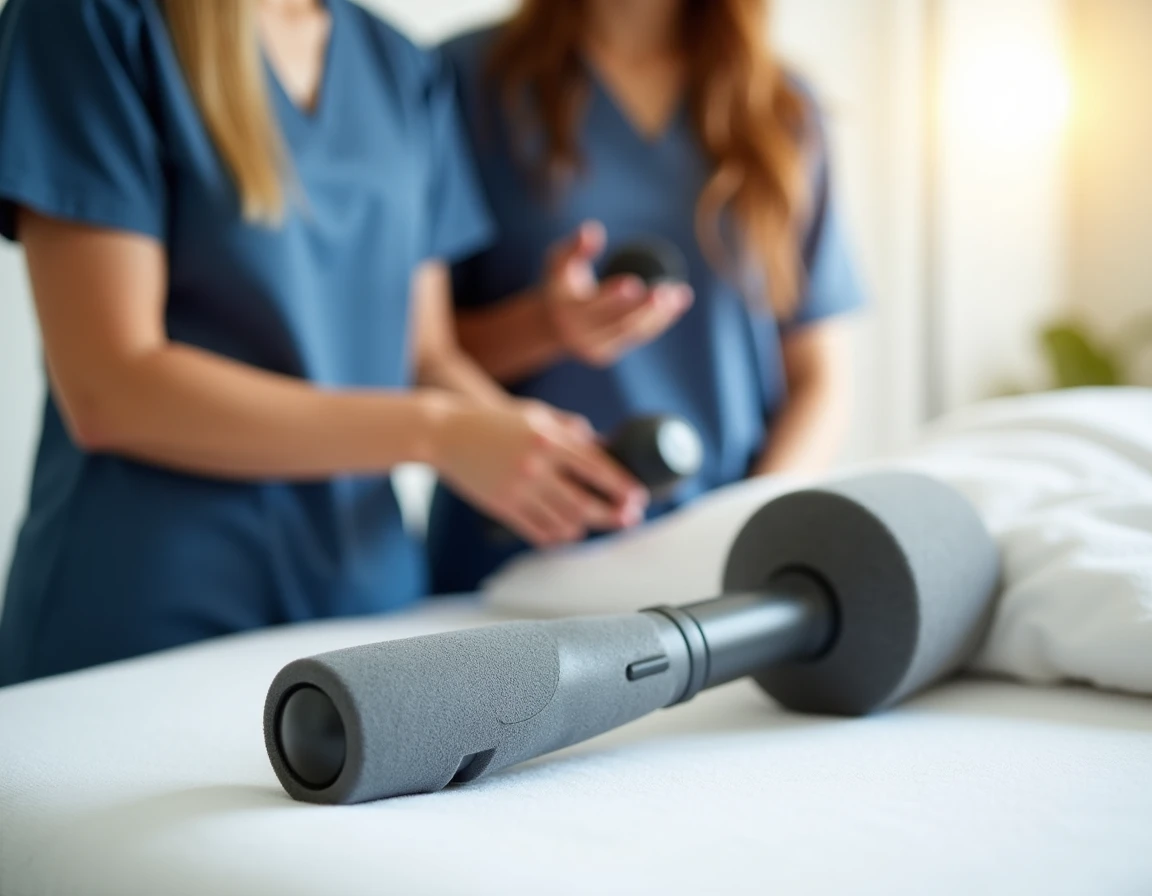
Studies on sound and vibration therapy show real promise. Research on low-frequency acoustic waves points to improved circulation, reduced muscle tension, and a better relaxation response. Much of the clinical data comes from physical therapy and sports recovery settings, where wave-based treatments support tissue repair and pain management.
Wellness applications borrow from this same science but focus on relaxation rather than injury treatment. For a deeper comparison of clinical versus wellness approaches, the article Acoustic Wave Therapy vs Manual Therapy for Pain Relief offers useful context. Worth noting: most spa-based research is still limited, so claims should stay modest and grounded.
Anecdotally, most clients report feeling looser, calmer, and less stressed after a single session. Many describe deep relaxation similar to a nap, paired with reduced muscle tightness in the neck and shoulders. This subjective relief shows up consistently across different providers and settings.
Some clients notice results right away, while others feel gradual improvement after two or three visits. First-timers often benefit from reviewing first visit what to expect guidance, since understanding the process cuts down on uncertainty and helps set realistic expectations.
Results vary based on body composition, stress levels, hydration, and how regularly someone attends sessions. A person with chronic tension may need more visits than someone just looking for occasional relaxation.
Session type also matters. Wave Table Therapy targets deeper muscle layers, while Sonic Table Therapy emphasizes calming vibration. Handheld Massage allows focused attention on tight areas. Combining these elements, as many local businesses do, often produces more balanced outcomes than a single approach alone.
Many clients pair sessions with other favorites, like massage, sauna time, or a skincare routine. A massage relaxes muscles first, and the therapy then works deeper on circulation and tension. Sauna heat opens pores and loosens tight areas, which many people feel enhances the wave session that follows.
Skincare routines fit well too. Some providers use gentle wave settings before a facial treatment to support circulation in the skin. This can help hydrating products absorb more evenly. Combining treatments often means better overall comfort, not just added services.
Local wellness studios sometimes offer package deals combining these options. Read about how one provider approaches this on their about us page to understand typical combination philosophies.
A three-stage session naturally builds toward a full-body reset. The first stage often targets larger muscle groups using a Wave Table. The second moves to a Sonic Table, narrowing focus on smaller areas like the neck or lower back.
The third stage frequently uses Handheld Massage tools for precise, targeted relief. This progression, from broad to specific, lets the body relax in stages rather than all at once. Sessions run about 45 minutes, giving each stage roughly 15 minutes to work effectively.
This structured approach mirrors methods described in The evolving use of extracorporeal shock wave therapy …, which discusses layered treatment strategies for musculoskeletal support.
Professionals often adjust intensity and stage order based on individual goals. Someone seeking relaxation may spend more time on the Sonic Table. Someone with muscle tightness might need extra Wave Table minutes instead.
Trained staff typically ask about your goals before beginning. This helps them customize combinations instead of applying a one-size-fits-all approach. Clients recovering from light activity may request firmer settings, while those seeking stress relief often prefer gentler waves.
Many local businesses now offer this flexible, personalized structure. It lets each session feel tailored, addressing specific concerns while still delivering a complete, balanced experience.
Most clients notice small shifts before big ones. Deeper relaxation during the session itself is often the first clue. Muscles feel looser, breathing slows, and stress starts to fade within the first few visits.
Watch for changes in mobility too. Stiff joints may move more freely. Walking feels easier. Some people also notice improved skin tone, with a brighter, more even look after a few sessions. This connects to massage for better circulation, which supports healthier-looking skin over time.
Mood is another marker. Many clients report feeling calmer and more focused after their sessions. These changes are subtle at first, but they build with consistency.
Before starting a treatment plan, set clear goals. Decide what matters most: stress relief, better mobility, or improved skin tone. Having a target makes progress easier to see.
Keep a simple log after each session. Note sleep quality, energy levels, and any physical changes. A short weekly check-in helps spot patterns that daily impressions might miss.
Compare notes every few weeks. Many clients see steady improvement between the fourth and eighth session. This is also a good time to review outside resources, such as How Do Acoustic Shockwaves Treat Erectile Dysfunction (ED)?, which explains how sound waves affect tissue and circulation.
Progress often calls for adjustments. A therapist can review your log and suggest changes to session frequency. Some clients benefit from weekly visits at first, then shift to biweekly maintenance.
Open communication matters here. Share what feels effective, whether it’s Wave Table Therapy, Sonic Table Therapy, or targeted Handheld Massage work. This feedback helps refine your plan for lasting results.
A little preparation helps your body get the most from the session. Simple habits before you walk in make the experience smoother and more comfortable.
People searching for vibration therapy near me fort lee often ask about timing, and these small steps apply to any local provider.
Clear communication shapes a safer, more effective session. Mention any current pain, recent injuries, or areas of tension you want addressed. Share details about medications, implants, or medical devices, and note if you are pregnant. This information helps the therapist adjust pressure, choose between the Sonic Table and handheld tools, and personalize your 45 minutes appropriately.
A typical session flows in stages: a brief consultation, table-based sonic and wave work, then optional handheld massage on tight spots. Many clients feel refreshed right away, with looser muscles and calmer breathing. Mild warmth or light soreness may linger for a few hours. This gentle approach differs from targeted clinical uses, such as Shockwave Therapy: Erectile Dysfunction (ED) Treatment, which serves a completely separate medical purpose.
Most healthy adults can enjoy a wave and sonic session without concern. The experience is gentle, non-invasive, and adjustable to different comfort levels. People dealing with everyday tension, tight shoulders, or general stiffness tend to benefit the most from regular visits.
That said, certain groups should check with a doctor first, including pregnant clients and those with recent injuries or implanted medical devices. A trained technician will always ask about your health history before starting the Wave Table Therapy or Sonic Table Therapy sequence.
If you carry stress in your upper body, sessions often pair well with targeted massage for neck and shoulder pain, especially through the handheld massage add-on.
Frequency depends on your goal. For general relaxation, once every two weeks is a common starting point. Clients managing chronic tightness often book weekly for the first month, then space sessions out as tension eases.
Cost expectations vary by provider, but many local businesses offer package pricing that lowers the per-visit rate for repeat bookings. Asking about bundled packages upfront helps you plan a realistic monthly budget.
Many clients notice a difference immediately after their first 45-minute session. Muscles feel looser, and posture often improves within hours. Deeper, lasting changes usually build over three to five sessions, as the body adjusts to consistent treatment.
Results vary by individual, but tracking how you feel after each visit gives a clear, personal timeline for progress.
If you’re curious to experience acoustic wave therapy for yourself, Anmowell offers a gentle, three-stage session using advanced wave and sonic therapy beds, and most clients walk out feeling refreshed in just 45 minutes. It’s a relaxed, non-invasive way to see what the therapy is all about, so why not book a visit and feel the difference firsthand?

