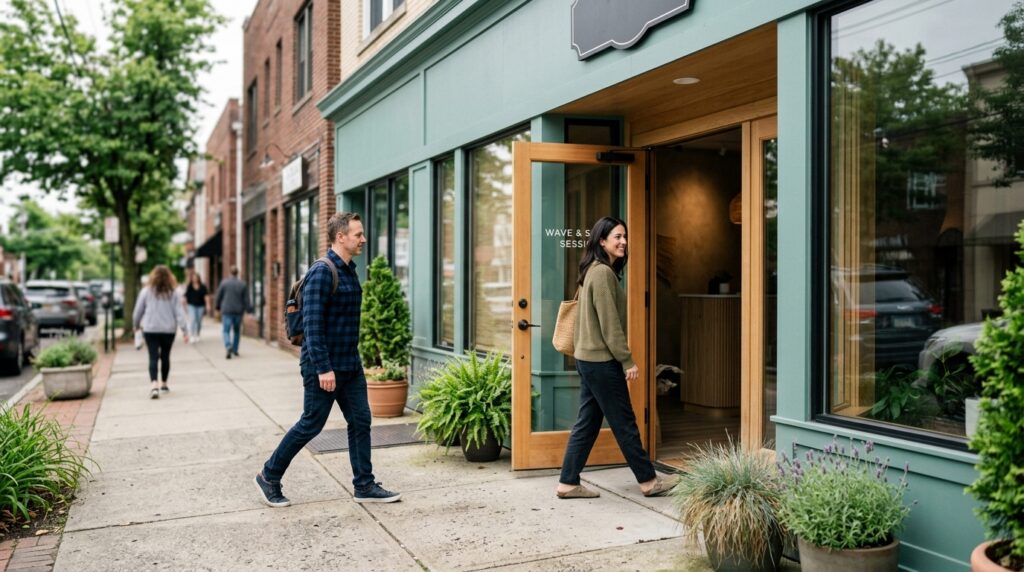
Medical massage therapy targets specific problems, unlike spa massage; this guide covers techniques, sessions, costs, and matching the method to your goal.

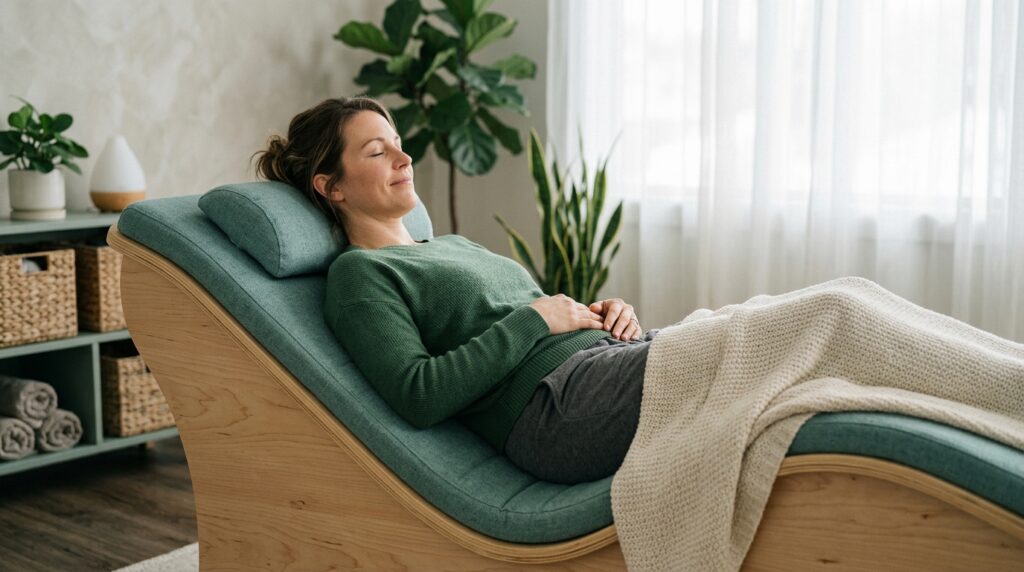


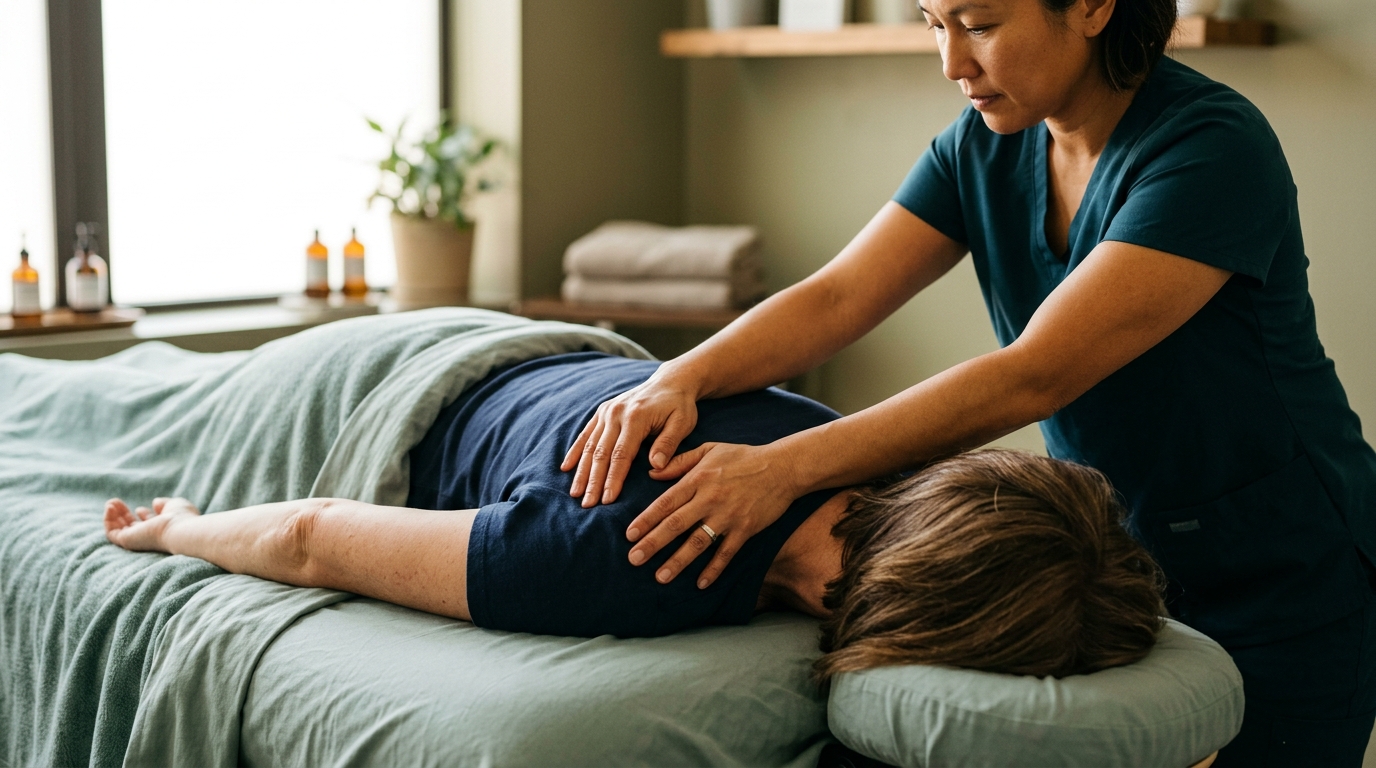
Chronic pain doesn’t wait for a convenient time to flare up. And it definitely doesn’t wait for you to find a treatment that actually works instead of just promising to. If you’re in Fort Lee and searching for answers in 2026, medical massage therapy is a clinician-led approach worth understanding, and it is not a service Anmowell offers. This piece explains what it involves, when you need a licensed clinician, and how Anmowell’s non-clinical Wave Table Therapy, Sonic Table Therapy, and handheld massage sessions differ from it.
A spa massage exists to help you unwind. There’s no problem to solve. Just a nice hour with candles and soft music. Medical massage works differently. It’s goal-oriented and condition-specific, meaning the session is built around a documented issue — chronic neck stiffness from a desk job, poor circulation in the legs, soreness that won’t quit after training. A licensed clinician has a target, a treatment plan, and usually notes in a chart, not just a vibe.
That distinction matters more than people think. Someone booking a spa massage wants an experience. Someone booking medical massage wants a documented result, and that shapes everything from the technique used to how progress gets tracked across a course of visits. According to Therapeutic Massage: What It Is and 4 Benefits, this kind of bodywork is increasingly viewed as a legitimate part of a broader treatment plan, not a luxury add-on. It’s medicine-adjacent, even when it’s gentle.
Here’s the practical line to draw before you book anything in 2026. If your pain follows a nerve, wakes you at night, came from a fall or a car accident, or has stuck around longer than a few weeks without changing, that’s clinician territory: a physician, a physical therapist, or a licensed medical massage therapist working from a referral. Anmowell is not any of those. Anmowell is a wellness studio in Fort Lee offering three things and only three things — Sonic Table Therapy, Wave Table Therapy, and a short handheld massage that closes the session. None of the three is medical, clinical, rehab, or orthopedic massage.
The field has moved past the assumption that “medical” means intense. Rhythmic decompression tables and vibration platforms are a separate, non-clinical category, not a form of medical massage. A rhythmic inclined table gently moves the spine through passive traction over time rather than forcing tension out through pressure. Whole-body vibration, moving from the feet upward, gets you moving and can feel loosening afterward, without a single deep push on sore muscle. Anyone researching massage for better circulation will find vibration-based methods coming up again and again as a low-impact option.
This matters most for people who’ve tried firm hands-on pressure elsewhere and hated it. Bruised, sore, or dreading the next appointment — that’s not a great track record. Non-invasive table therapy offers a different option: fully clothed, no oils, no deep pressure, just controlled movement and rhythm doing the work. It’s also worth understanding lymphatic drainage massage benefits, which covers a separate clinical technique performed by hand by trained therapists at other practices; Anmowell’s tables do not drain lymph and are not manual lymphatic drainage. For guests who don’t want hands-on work, this softer category can be a comfortable option, as long as none of the contraindications listed further down apply to you.
It’s also worth naming what the Sonic Table is not. Acoustic wave therapy, shockwave therapy, and soft wave therapy use focused acoustic pulses delivered by a clinical device against one small area of tissue. That is a different technology with a different purpose, available at clinics that specialize in it. Anmowell does not offer acoustic wave therapy or shock wave therapy in any form. The Sonic Table is whole-body vibration on a padded surface, which is a broad, general sensation rather than a focused pulse.
Short answer: almost everyone has something on this list. The longer answer is more useful, so let’s break it down by who’s actually struggling and why — and, just as importantly, who should be talking to a doctor rather than booking anything.
Notice the overlap. A desk worker with tight shoulders is often also the person who can’t sleep well, and understanding massage for neck and shoulder pain often explains both problems at once, since chronic tension and poor rest tend to feed each other. If you’ve tried at-home devices before turning to a professional setting, comparing an at-home hydromassage chair price against a studio session helps set realistic expectations for cost and results — noting that hydromassage beds and chairs are water-jet equipment offered by other businesses, not something Anmowell has. And if your goal is broader wellness rather than treating an injury, it helps to see where massage fits among other options, including skin-focused treatments like Microdermabrasion for people building a fuller self-care routine.

Clinical bodywork isn’t one technique. It’s a toolbox, and every tool in it belongs to a licensed hands-on therapist somewhere other than Anmowell. Trigger point therapy hunts down tight knots and applies focused pressure until they release. Myofascial release works the connective tissue wrapping your muscles, stretching it slowly to restore glide and range of motion. Acupressure borrows from traditional Chinese medicine, pressing specific points to ease tension. Cupping uses suction cups to lift tissue rather than compress it. Thai massage moves you through assisted stretches on a mat. Deep tissue goes after the deeper muscle layers with slow, firm strokes — effective, but not always comfortable, and definitely not for everyone. Anmowell offers none of these, and nothing on Anmowell’s menu should be described using their names.
Whole-body vibration and mechanical inclined traction are the newer arrivals in the wider wellness market. Instead of a therapist’s hands doing the work, a table delivers rhythmic motion or vibration across the body as a whole. There’s no oil, no deep pressure, and you stay fully clothed throughout. For readers researching how table-based work stacks up against joint-focused manual care, comparing approaches to orthopedic massage techniques — a clinical, hands-on category offered by licensed providers elsewhere — can clarify which style fits a given injury or condition. Intensity on the Wave Table is adjustable, which matters if you’re sensitive to motion, though a lighter setting is not a way around a medical condition, and anyone managing one should talk to a doctor first.
A few honest comparisons, since the marketing language in this industry blurs together fast. Trigger point work targets one knot; the Sonic Table does not target points at all, and what it offers is general, whole-body muscle relaxation. Myofascial release is a hands-on fascia technique; whole-body vibration is not fascia work and does not replace it. Manual lymphatic drainage is a light, specific stroke sequence aimed at the lymphatic system; vibration is not that, and Anmowell makes no lymph claims. Thai massage moves your joints through assisted stretches under a therapist’s guidance; the Wave Table’s passive inclined traction moves your spine rhythmically without anyone stretching you. And a classic Swedish relaxation massage involves disrobing, oil, and a therapist’s hands for an hour — Anmowell’s 45-minute Wave and Sonic session is the no-disrobing, no-hands-on alternative when relaxation is the goal.
Here’s a quick side-by-side of how these approaches actually differ in practice:
| Technique | Contact Type | Typical Duration | Best For |
|---|---|---|---|
| Trigger Point Therapy | Hands-on, focused pressure | 10–20 min per area | Isolated muscle knots |
| Myofascial Release | Hands-on, slow stretch | 15–30 min | Restricted movement, tight fascia |
| Deep Tissue | Hands-on, firm pressure | 30–60 min | Chronic tension, athletes |
| Wave Table (Decompression) | Mechanized, no pressure | 30 min | Spinal compression, desk-job stiffness |
| Sonic Table (Vibration) | Mechanized, no pressure | 10 min | Circulation, post-workout soreness |
The first three rows are services you’d book at a hands-on massage practice or clinic. The last two are what Anmowell actually runs. Neither camp beats the other outright. Manual work lets a trained pair of hands adapt in real time, feeling for exactly where you’re guarded. Mechanized tables trade that responsiveness for consistency and a gentler entry point — useful if you’ve never enjoyed traditional pressure-based work. Some clients researching hydromassage benefits compare water-jet beds with dry wave tables for that exact reason; they are different equipment in different places, and Anmowell’s tables are dry. For a clinical treatment plan, a licensed medical massage provider is the right person to explain how it is structured.
Walking in for the first time, you don’t just hop on a table. There’s a short conversation first. Expect a few real questions: where does it hurt, what’s your job like, are you sitting eight hours a day, do you run or lift, and where does tension tend to camp out. The intake also covers health history, because several conditions rule the tables out entirely. That conversation shapes how the session gets adjusted, especially around intensity and which areas get extra attention during the finishing stage.
Sessions generally follow a warm-up, target, and finish structure across about 45 minutes total. You stay clothed the entire time. No oils, no deep pressure digging into muscle, no disrobing at any point. If you’re wondering how it stacks up against other recovery tools, some people also research vibration therapy near me fort lee options before deciding which format fits their schedule and pain points.
| Stage | Duration | Purpose | Comfort Element |
|---|---|---|---|
| Intake conversation | ~5 minutes | Identify problem areas, posture habits, activity level | Quiet room, no rush |
| Wave Table (warm-up) | 30 minutes | Rhythmic spinal decompression, loosen tight structures | Heated eye mask, adjustable intensity |
| Sonic Table (targeted) | 10 minutes | Vibration therapy for circulation, feet upward | Fully clothed, gentle motion |
| Handheld finish | 5 minutes | Address lingering tension in back and shoulders | Personalized, adjustable pressure |
This is a wellness session, not a clinical program, and it uses no pressure-based manipulation, no diagnosis, and no treatment plan. The handheld massage at the end is the closing stage of the full session rather than a standalone booking, and it is kept away from open wounds, rashes, bruises, recent injuries, and any area with a known blood clot. Guests with a bleeding disorder or on blood thinners should check with their doctor first. Anyone curious about the mechanics behind the vibration stage can find a deeper vibroacoustic therapy guide that breaks down the science in plain terms.
Drink water as you normally would. Skip intense workouts for the rest of the day, and don’t expect to feel sore the way you might after firm hands-on work elsewhere. Mild fatigue or a loose, “just stretched” feeling is normal for a few hours. If soreness shows up, it’s usually gone by the next morning. No ice, no heat needed. Just rest, hydrate, and let your body settle. If something feels wrong rather than simply tired — sharp pain, dizziness that doesn’t pass, numbness — stop and call your doctor. Anmowell does not give medical advice.
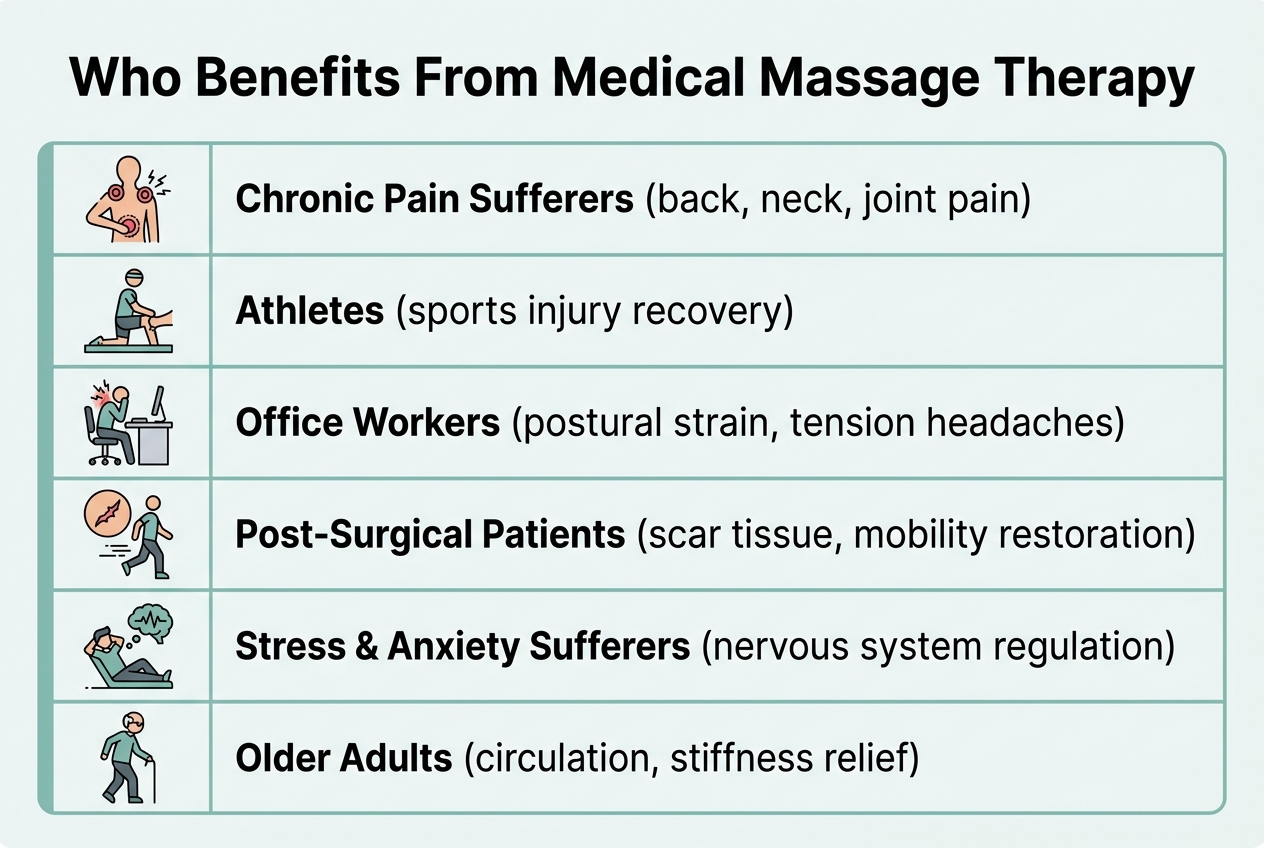
Sit at a desk all day and your body keeps score. Shoulders creep up, hips lock, and the lower back stiffens until standing up feels like a chore. Hands-on massage may help some of these patterns, but the evidence summarized in Massage Therapy for Health: What the Science Says | NCCIH is mixed: weak for low-back pain, uncertain for neck pain, and short-term for shoulder pain. Outcomes people often look for include:
That last point matters more than people think, and it’s also where the two categories part ways. Focused, hands-on pressure on one knot is what a licensed therapist does elsewhere. Anmowell’s tables don’t target points; what the closing handheld stage offers is a short, general pass over the back and shoulders at a pressure you choose. Useful, but a different thing entirely.
Physical relief is only half the story. A slow, rhythmic session has a way of quieting the nervous system, which is exactly why so many people leave feeling foggy in the best way, almost sleepy. Reading up on massage for better sleep makes the connection clear: calmer muscles and a lower heart rate set the stage for deeper rest that night. A 45-minute meditative session isn’t a luxury add-on. It’s a legitimate stress-reduction habit, particularly for anyone whose mind won’t switch off at bedtime, and it can work as a lunch-break alternative to an office chair massage, with no seated stool and no colleagues watching. For how clinical soft wave therapy differs from gentle inclined-table motion, see soft wave therapy how it works benefits; that’s clinic technology Anmowell does not provide. Skip this stuff and you’re just tense again by Thursday.
How often you should come in really depends on what you’re dealing with. For medical massage, the schedule is part of the treatment plan your clinician sets. That cadence is a clinical decision, not a package deal.
For relaxation sessions like Anmowell’s, there is no set schedule and no prescribed course. Anyone recovering from an injury, managing a diagnosed condition, or in ongoing treatment should follow their clinician’s advice on timing, and should check the contraindication lists below and ask that clinician before booking.
Medical massage pricing depends on the provider and on whether insurance applies. Anmowell’s non-clinical Wave and Sonic Table sessions, for comparison, are $60 for a single session in 2026, $38 for a first visit, $200 for 4 sessions, $400 for 10, and $500 a month for unlimited visits, as shown below.
| Pricing Model | Best For | Typical Commitment | Cost Pattern |
|---|---|---|---|
| Single Session | First-timers, occasional relief | None | Highest per-visit cost |
| Introductory Session | New clients testing fit | One visit | Reduced first-time rate |
| 4-Session Bundle | A short-term routine | Several weeks | Moderate per-visit savings |
| 10-Session Bundle | Ongoing maintenance plans | A few months | Better per-visit value |
| Monthly Unlimited Membership | Frequent, regular visits | Month-to-month | Lowest cost if used weekly |
Run the math before you commit. At $60 a visit, the 4-session bundle lands at $50 each and the 10-session bundle at $40 each; the unlimited membership only beats the 10-pack if you’re genuinely showing up more than twice a week. There’s no shame in starting with the $38 first visit to find out whether the format suits you at all.
One thing to sort out early: insurance. Coverage is generally limited when massage is framed as wellness or relaxation, and Anmowell’s Wave Table and Sonic Table sessions are wellness sessions, not clinical work, so they are not billable as medical care. Prescribed medical massage, ordered by a physician for a documented condition and performed by a licensed provider, has a better shot at reimbursement, but it usually requires proper billing codes and clinical documentation. If cost is a concern, readers exploring massage wellness near you bergen county options will find pricing structures vary quite a bit by provider and format. For a different, clinical technology available at other practices, see the acoustic wave therapy guide — again, not something Anmowell offers. Either way, ask upfront about cancellation windows. A 24-hour notice policy is standard, and missing it can cost you a session you already paid for.
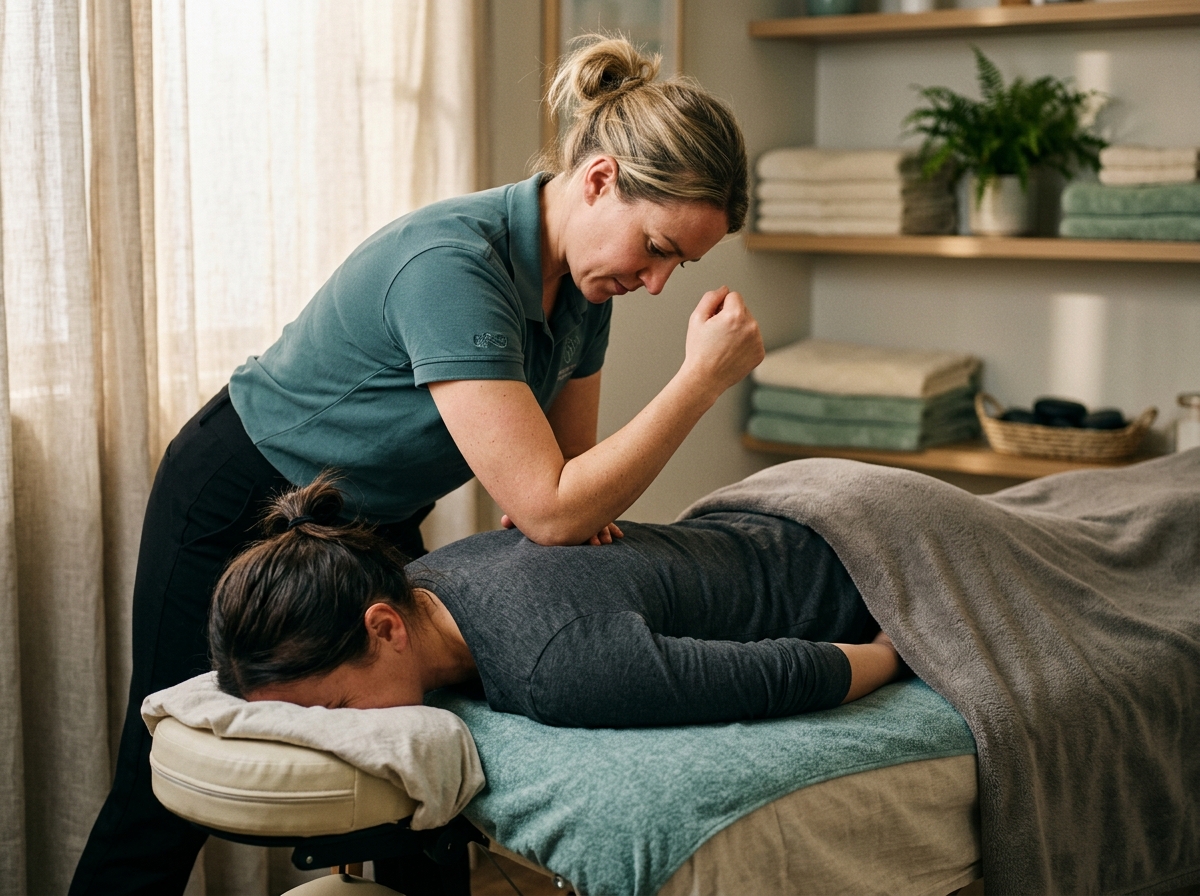
Not every place calling itself a wellness studio is created equal, and not every place offering bodywork offers medical care. Start with the people. Ask who’s performing the session, what training backs them up, and whether the work is clinical or wellness — this matters more than a fancy lobby. If you want the full picture of what proper clinical training looks like, reading about the path to becoming a Medical Massage Therapist gives useful context on the education, licensing, and standards behind that kind of care. A good provider will explain the technique before touching you, not after — and will tell you plainly when what you need is a doctor instead.
Pricing should be upfront, too. No vague packages, no pressure to buy a year’s worth of sessions before you’ve tried one. Transparent pricing is a basic sign of trustworthiness. If a studio won’t tell you costs over the phone, that’s a red flag worth noting. It really shouldn’t be complicated.
Beyond credentials, think about atmosphere. A calm, appointment-based studio behaves very differently from a high-volume walk-in spa squeezing in bodies back to back. You’ll notice the difference the moment you walk in — quieter rooms, unhurried staff, sessions that don’t feel rushed toward the next client. That pace tends to matter most for people managing chronic tension, where feeling rushed undoes half the benefit.
Ask about screening, too. A studio that never asks about pregnancy, implanted devices, recent surgery, blood clots, blood thinners, osteoporosis, glaucoma, or a history of stroke isn’t being relaxed about paperwork; it’s skipping a step that exists for your safety. Anmowell’s contraindication lists cover these conditions, and some of them mean the tables aren’t an option at all. That’s the correct outcome, not a sales failure.
Language and cultural comfort deserve real weight, especially in a region as diverse as Bergen County. Being able to describe your pain, your history, and your goals in your first language changes the quality of care you get. For many families in Fort Lee, Cliffside Park, and Edgewater, a studio with multilingual staff isn’t a nice extra — it’s the difference between guessing and being understood.
Finally, weigh the practical stuff: parking, hours, and cancellation policies. Appointment-only studios often keep tighter hours than big spas, so check whether evening or weekend slots exist before committing. Proximity counts too — residents of Leonia, Englewood, and Palisades Park will want something reachable without a long drive after a long day. For a broader sense of what quality options look like nearby, browsing a guide to the best massage spa fort lee nj has to offer can help narrow the search before you ever pick up the phone.
The format works in a sequence, and the order matters. Wave Table Therapy comes first: a rhythmic, inclined table that moves the spine through passive traction over about 30 minutes, easing the compressed feeling that builds up from sitting at a desk all day. Then comes Sonic Table Therapy, roughly 10 minutes of whole-body vibration that starts at the feet and moves upward, with no hands-on pressure at all. It’s a bit like a warm-up followed by a reset.
The session closes with a short handheld massage, usually five minutes, focused on the back and shoulders where tension likes to hide. That’s where a team member can spend a moment on one tight area instead of treating the whole body the same way, at whatever pressure you’re comfortable with. Together, the three stages move from broad, passive motion toward something a little more specific — which is a different logic than a standard hour-long hands-on rubdown. If you want the mechanics spelled out in more detail, a wave and sonic massage therapy guide walks through what each stage is actually doing.
This layered structure is also why the full session runs about 45 minutes rather than 60 or 90. There’s less downtime built in because nothing here relies on sustained deep pressure to work — and because nothing here requires undressing, draping, oil, or a shower afterward, which is what makes it a realistic lunch-break option.
Not everyone likes firm hands-on work. Some people find it painful, some just find it unpleasant, and plenty avoid massage altogether because of it. This approach skips oils and skips heavy pressure entirely — you stay fully clothed the whole time, and intensity on the Wave Table and handheld stages is adjustable to what you can actually tolerate. Anmowell describes the sessions as gentle, but gentle is not the same as suitable for everyone, and a lighter setting does not change who should stay off the tables.
The Sonic Table is not for guests who are pregnant or trying to conceive; who have a pacemaker, defibrillator, or other implanted electronic device; who have a known blood clot, deep vein thrombosis, or a clotting disorder; who have had surgery, a fracture, or a joint replacement in the last six months; or who have severe osteoporosis, an acute hernia, retinal detachment, epilepsy or a seizure disorder, an active cancer diagnosis, uncontrolled heart disease, or acute inflammation. The Wave Table is not for guests who are pregnant; who have uncontrolled high blood pressure, glaucoma or other raised eye pressure, heart disease, or a history of stroke; who have had spinal surgery, a spinal fracture, or a disc injury in the last twelve months; or who have spinal instability, severe osteoporosis, an acute hernia, or vertigo and balance disorders. The handheld stage is skipped over open wounds, rashes, bruises, recent injuries, and any area with a known blood clot, and guests with a bleeding disorder or on blood thinners should check with their doctor. Anmowell does not give medical advice and asks every guest with any medical condition, recent injury, or ongoing treatment to check with their doctor before booking.
To be explicit about the most common question: Anmowell asks guests who are pregnant to check with their doctor before booking, and does not offer the tables during pregnancy. There is no gentler setting, no safer trimester, and no modified version. Pregnancy-related back, hip, and pelvic pain is real and worth treating — by a licensed prenatal massage therapist trained for it. The early postpartum weeks carry the same caution: ask your doctor before booking anything, and don’t treat a table session as recovery after delivery.
It’s also worth saying plainly: this isn’t a replacement for clinical treatment of injuries or chronic pain conditions, and Anmowell is not a medical provider. It’s a wellness category that sits alongside more established forms of bodywork. Clinical medical massage services use hands-on techniques, sometimes firm ones, to address specific diagnosed issues under a plan of care. This is different in mechanism and in intent, though the goals — less tension, easier movement, a calmer nervous system — overlap.
Heading into 2026, wellness studios nationally have kept leaning into this kind of low-impact, sensory-based bodywork as a category of its own. It is a gentler on-ramp, not medical care. It’s gaining ground because it removes the two biggest reasons people put off getting a massage in the first place: the undressing and the pressure.
Ultimately, the right choice comes down to what your body needs right now and what a session actually involves: hands-on stretching and pressure work solve different problems than passive vibration or inclined traction, and no comparison chart replaces a conversation with your own doctor if you have a medical condition or recent injury. Anmowell’s tables are not offered during pregnancy, and several of the conditions listed above rule them out entirely. It’s worth asking whether you want touch and targeted technique — in which case a licensed clinician or hands-on therapist is who you should be calling — or a no-disrobing, screen-free 45 minutes to unwind, and whether the credentials of the person or the technology behind the table actually match what you’re hoping to get out of it. Weigh the goal first, then the method, and the decision tends to get a lot simpler.
Temporary closure
The studio is closed while our team is away. You are welcome to book ahead for after we reopen.
Thank you for your patience. See you soon.