Prenatal massage requires pregnancy-trained therapists, not vibration or traction tables. Learn benefits, safety checks, and how to pick a qualified provider.







Pregnancy brings aches that regular self-care just can’t touch, and you’re right to go looking for relief made for your body. A prenatal massage from a licensed, pregnancy-trained therapist is the right path here. It’s not something Anmowell provides. This article walks through what a safe, qualified session actually looks like in 2026. You’ll know exactly what to ask for, and who to trust.
Prenatal massage is specialized hands-on bodywork built around pregnancy-safe positioning and technique. It’s not a softer version of a regular massage. It’s a different skill set entirely, shaped around how a pregnant body actually needs to rest, breathe, and be supported for an hour. Therapists who do this work train specifically in it, learning which areas to avoid, how to adjust pressure by trimester, and how to read discomfort that might signal something more than tight muscles.
The biggest visible difference is positioning. Instead of lying face-down, clients are usually arranged side-lying, propped with bolsters and pillows to support the belly, hips, and lower back. Pressure points around the ankles and wrists are typically avoided altogether, since certain areas are considered off-limits during pregnancy. Pace matters too — sessions tend to move slower, with more check-ins, because comfort can shift minute to minute as a pregnancy progresses. If you’re researching providers near Fort Lee, broader directories covering massage wellness near you bergen county can help you see what’s available before narrowing your search to pregnancy-specific care.
None of this is optional detail — it’s the whole point of the therapy. A standard relaxation massage simply isn’t built with these adjustments in mind, which is exactly why the two shouldn’t be confused.
This is also why credentials matter so much here. A general wellness provider, however skilled, isn’t automatically qualified to work with a pregnant client. You want someone with a specific prenatal certification, not just general massage licensing. Ask directly about their training before booking. It’s a fair question, and any legitimate therapist will expect it. For context, whole-body vibration and inclined traction tables are not appropriate for pregnant guests, so a studio offering that kind of equipment-based session simply isn’t a substitute for licensed, hands-on prenatal care — and a reader who is pregnant should check with their doctor before booking any bodywork at all, prenatal-certified or otherwise.
Pregnancy changes your body fast, and the complaints are pretty consistent. Lower back pain tops the list, usually from the extra curve in the spine as the belly grows forward. Swollen feet and ankles come next, especially by the third trimester when fluid tends to pool. Add hip tension from a loosening pelvis, and you’ve got a body working overtime just to stay comfortable sitting or lying down.
The pattern shifts trimester by trimester. Early on, it’s hormonal — relaxin softens ligaments, and joints can feel wobbly before anyone even notices a bump. By mid-pregnancy, posture starts compensating for shifting weight, which is often where hip and lower back strain set in. Late pregnancy brings the heaviest physical load: pressure on the lower spine, restricted circulation in the legs, and that general feeling of carrying more than you can comfortably hold. These are real, documented shifts, not just discomfort you’re imagining.
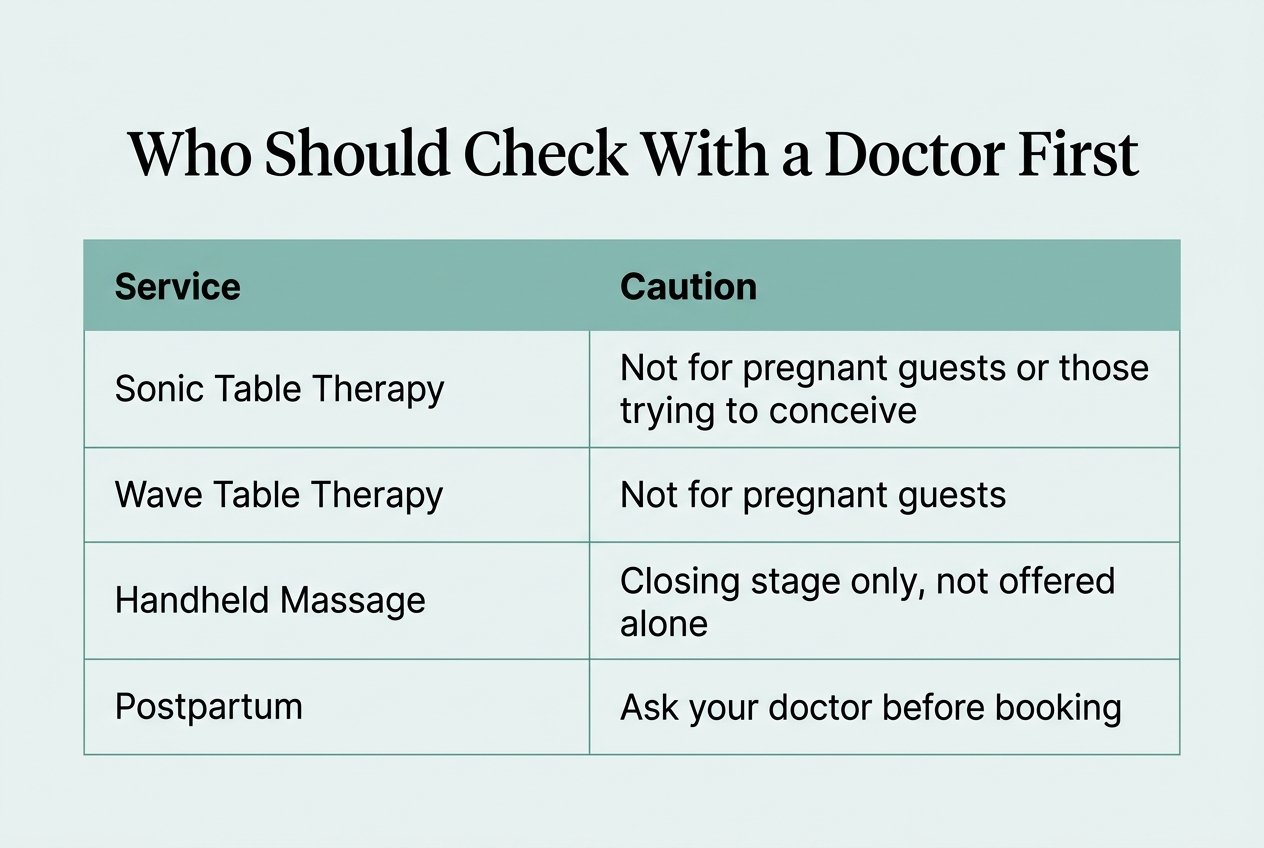
It’s worth being direct here: whole-body vibration and inclined traction aren’t appropriate during pregnancy. A dedicated provider of wave and sonic table therapy will ask guests who are pregnant to check with their doctor first, and won’t offer the tables during that time. A licensed prenatal massage therapist, trained specifically in pregnancy-safe positioning and technique, is the right choice for the concerns above.
Pregnancy isn’t just physical. Sleep gets harder as the belly grows, and that lost rest compounds into daytime fatigue and a shorter fuse. Many expectant clients describe anxiety that creeps in alongside the physical changes — worry about labor, about the baby, about simply functioning on four hours of broken sleep.
This is where touch-based therapies earn their reputation beyond pain relief. Reduced anxiety and improved mood are reported often enough that they’re treated as a given, not a bonus. Better sleep tends to follow too, since calming the nervous system and easing physical tension usually go hand in hand. Elsewhere in everyday wellness contexts, people chasing similar relaxation often start by reading about an effective massage self care routine to build calm into a busy week.
None of that changes the safety picture for pregnant guests, though. The emotional pull toward relaxation is real and valid. But it belongs with a provider trained in prenatal-specific care, not a general wellness table. Ask your doctor, then ask a licensed prenatal therapist. That’s the order that matters.
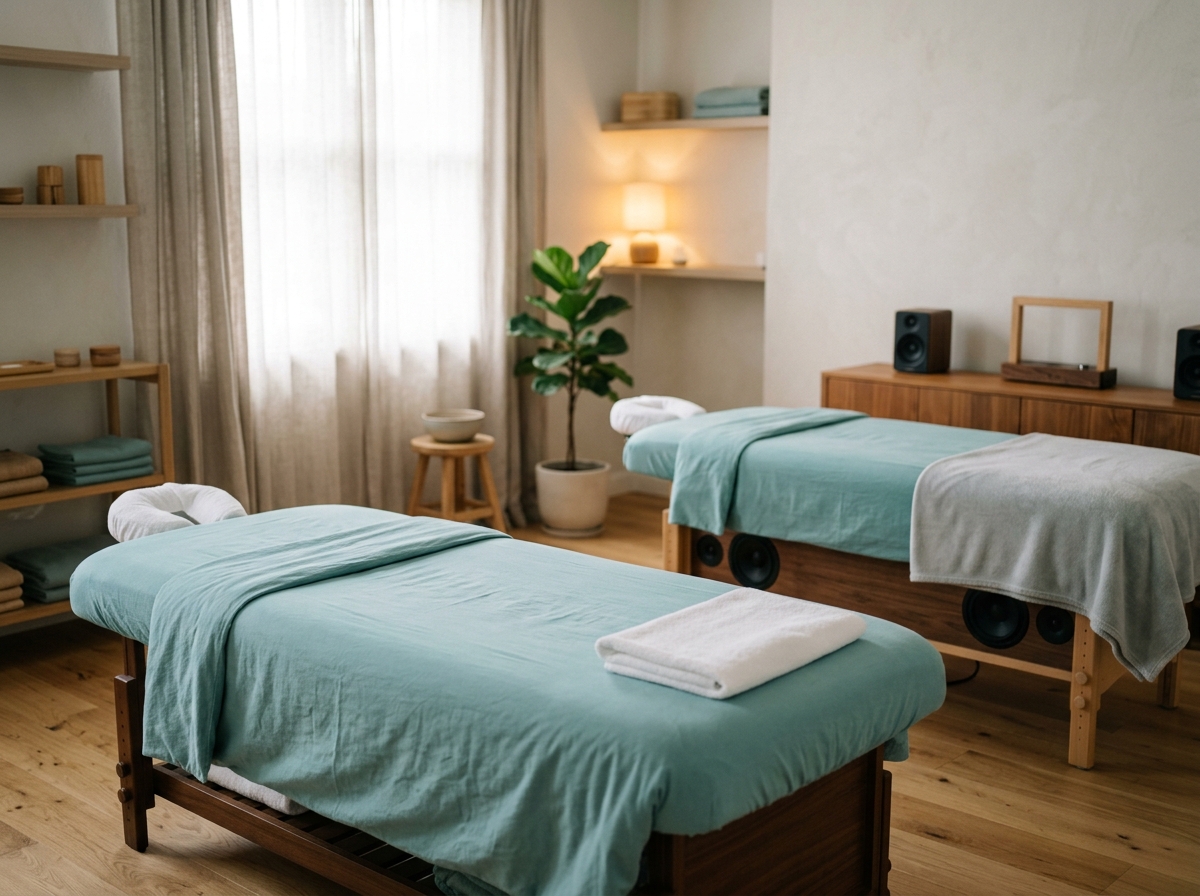
Before any hands-on work begins, a qualified prenatal therapist will walk you through an intake questionnaire. This isn’t a formality. It shapes the entire session.
Positioning comes next. Most therapists use a specialized table with a cutout for your belly, letting you lie face-down comfortably. Others rely on a side-lying setup with bolsters and pillows supporting your knees, back, and belly. Comfort drives every choice here, not convention.
Once you’re settled, the therapist checks in constantly. Pressure is light to moderate, never firm, and it gets adjusted the moment something feels off. If you’re dealing with upper body tightness alongside the pregnancy-specific concerns, it helps to understand how targeted bodywork like massage for neck and shoulder pain works, since the principles of gentle, communicative adjustment carry over. Expect frequent questions: “How’s that pressure?” “Any tingling or numbness?” That back-and-forth matters more than any single technique. It’s worth noting plainly here: Anmowell asks guests who are pregnant to check with their doctor before booking, and does not offer the Wave Table or Sonic Table during pregnancy, since the whole-body vibration and inclined positioning aren’t appropriate for that stage. A licensed prenatal therapist trained specifically in pregnancy bodywork remains the right choice for this kind of session. If you have questions about what’s appropriate for your situation, reaching out directly through a page like contact us is a reasonable first step before assuming any gentle-sounding service fits.
Clients who work with a licensed prenatal massage therapist report a fairly consistent set of changes, session after session. These aren’t vague claims. They show up often enough in clinical literature and client feedback that they’re worth laying out plainly, specific to this kind of bodywork rather than massage in general.
Pregnancy puts real strain on the body: extra weight, shifted posture, fluid retention. A trained prenatal therapist works around all of that with techniques suited to each trimester. Here’s what shows up most in reports from clients and practitioners alike:
None of this is unique to pregnancy-specific bodywork, exactly. General massage for better circulation works on similar principles. The difference here is that a prenatal therapist adjusts positioning, pressure and timing for a body that’s actively changing week to week.
Pregnancy comes with its own emotional weight. Clients frequently describe prenatal sessions as the one hour where someone is entirely focused on their comfort. That matters.
Worth noting: these benefits come from sessions with someone trained specifically in prenatal care, not from general relaxation tools. If you’re pregnant or trying to conceive, that distinction isn’t optional. It’s a safety one. Whole-body vibration and inclined traction tables, including Sonic Table and Wave Table sessions, are not offered to pregnant guests under any circumstances. A licensed prenatal massage therapist, not a wellness table, is the right call here. Reading client reviews can still help you understand what people value in bodywork generally, but for pregnancy, the provider’s specific training is what to check first.
Prenatal massage is hands-on work, plain and simple. A trained therapist positions you on your side with bolsters and pillows, adjusting as your pregnancy changes, and uses their hands to ease the specific aches that come with carrying extra weight. That’s a world apart from general relaxation modalities like a Swedish-style massage or a passive, table-based session. Both of the latter are built around still, fixed positioning and mechanical motion rather than a therapist’s live, responsive touch.
Here’s where the comparison matters most for anyone pregnant and weighing their options:
| Modality | Technique | Positioning | Pregnancy-Appropriate? |
|---|---|---|---|
| Prenatal massage | Hands-on, therapist-led | Side-lying, trimester-specific bolstering | Yes, with a licensed prenatal therapist |
| Swedish-style massage | Hands-on, general relaxation strokes | Face-down or face-up table | Only with prenatal-trained provider |
| Whole-body vibration table | Passive, mechanical vibration | Standing or lying, feet-up | No |
| Inclined traction table | Passive, rhythmic decompression | Reclined, fixed incline | No |
Notice the pattern. Whole-body vibration and inclined traction tables are designed for non-pregnant guests, full stop. They’re not a gentler substitute, not a later-trimester option, not anything. A dedicated provider offering these passive therapies should tell you plainly that pregnant guests need to look elsewhere, and a good one will. Reading up on general whole body vibration therapy benefits makes it obvious these tools were built with a different body, and a different set of goals, in mind.
So which modality is right? It depends entirely on two things: your pregnancy status and the provider’s actual training. A licensed prenatal massage therapist checks both boxes. A table built for desk stiffness or post-workout recovery doesn’t, no matter how relaxing it looks.
A licensed prenatal massage therapist follows trimester-specific rules for good reason. In the first trimester, many avoid certain pressure points on the ankles and hands altogether. Later on, positioning changes matter a lot: side-lying setups with supportive pillows replace lying flat on the stomach or back for long stretches. These aren’t arbitrary habits. They reflect real shifts in circulation, balance, and joint stability as a pregnancy progresses.
Whole-body vibration and inclined traction work on a totally different principle than hands-on prenatal bodywork. A table that moves the spine through rhythmic inclines, or sends vibration up from the feet, isn’t built with those trimester-specific adjustments in mind. That’s a meaningful gap, not a small technicality.
So here’s the plain truth: a dedicated provider offering this kind of table-based therapy asks any guest who is pregnant or trying to conceive to check with their doctor before booking, and does not offer Wave Table or Sonic Table therapy during pregnancy. Whole-body vibration and inclined traction simply aren’t suited for pregnant guests. There’s no gentler setting or later-trimester exception here. It’s a flat no, and that’s by design, not an oversight.
If you’re pregnant and want bodywork, the right move is a licensed, certified prenatal massage therapist trained specifically in pregnancy-safe techniques. Look for certification through a recognized bodywork program, direct experience with trimester-specific positioning, and a willingness to coordinate with your OB or midwife if you have any complications. A good therapist will ask about your due date, any swelling or blood pressure concerns, and prior pregnancy history before you even get on the table.
This also isn’t the section to search out a general-relaxation table session as a stand-in. The wave and sonic massage therapy guide explains how those tables work for everyday tension, but it’s written with non-pregnant guests in mind, and that distinction matters here.
Postpartum guests aren’t automatically in the clear either. The early weeks and months after delivery carry real physical changes — healing tissue, shifting hormones, possible clotting risk — so ask your doctor before booking any wellness therapy, including non-prenatal options like vibration or inclined tables. Once you’ve got clearance, it’s worth comparing pricing across providers so you know what a single session or a bundle actually costs before committing.

Not every massage therapist who takes your call is actually trained for pregnancy work. A general license covers the basics, but it doesn’t mean someone understands which positions, pressure points, and trimesters call for extra caution. Before you hand over your credit card, it’s worth asking a few pointed questions. Good answers should come fast and confident — hesitation is a sign to keep looking.
It’s also fair to ask what happens if something feels off mid-session. A qualified therapist will have a clear plan, not a shrug. Research into (PDF) The Effectiveness of Prenatal Massage Therapy and … third-trimester back pain backs up why proper technique matters so much here, not just a soothing room and nice music. One more note worth repeating: whole-body vibration and inclined traction tables, the kind built for general tension relief, are not appropriate substitutes for pregnant guests under any circumstances. A provider offering that kind of equipment should tell you plainly to see a licensed prenatal massage therapist instead, with no workaround offered. If you’re comparing options in the area for everyday stiffness outside of pregnancy, a guide to the best massage spa fort lee nj has to offer can help you sort licensed bodywork from newer wellness formats. For pregnancy itself, though, the certification and the questions above matter more than any amenity list ever will.
Not every reader researching this topic is pregnant. Plenty of people land here because they sit at a desk nine hours a day, run on weekends, or just can’t switch their brain off at night. For that crowd, a three-stage table session is worth knowing about as a non-invasive, fully clothed option. No oils, no disrobing, no hands pressing into sore spots. Just an inclined wave table, a vibration table, and a short handheld finish for the back and shoulders.
The structure is simple, and that’s kind of the point. Each stage builds on the last, moving from passive traction to vibration to targeted hands-on work. Intensity is adjustable throughout, so a first-timer and a regular athlete aren’t getting the same experience. If you’re comparing it to a water-based setup, it helps to know the mechanics are different: dry, mechanical motion rather than heated water jets.
| Stage | Duration | What It Does | Adjustable? |
|---|---|---|---|
| Wave Table | 30 minutes | Rhythmic inclined motion for gentle spinal decompression | Yes |
| Sonic Table | 10 minutes | Vibration therapy from the feet upward for circulation | Partial |
| Handheld Massage | 5 minutes | Personalized finishing work on back and shoulders | Yes |
| Full Session | 45 minutes | All three stages combined, plus tea after | Yes |
For someone hunting a drug-free way to loosen up after a long week, searching for vibration therapy near me fort lee is a reasonable starting point before booking anything. New clients in Fort Lee, NJ can try the full 45-minute session for $38, a low-risk way to see whether this style of bodywork even suits you.
Here’s the blunt part. This is a separate category from prenatal care, full stop. Anyone pregnant, trying to conceive, carrying a pacemaker, managing a clotting disorder, or recovering from recent spinal or joint surgery should sit this one out and check with a doctor first. So should anyone with uncontrolled blood pressure, vertigo, or severe osteoporosis. If none of that applies to you, and you just want relief from stiffness or poor circulation, it’s a reasonable, gentle alternative worth asking your provider about.
Choosing between hands-on bodywork and a vibration or traction table often comes down to what you’re treating and how your body responds to pressure versus passive movement. It’s worth asking whether you want targeted, firm work on specific knots or a broader session that leaves your clothes on and your muscles relaxed afterward, and whether any health condition means a quick check with your doctor first. The right answer depends less on what’s trendy and more on what your body actually needs this week.
Temporary closure
The studio is closed while our team is away. You are welcome to book ahead for after we reopen.
Thank you for your patience. See you soon.