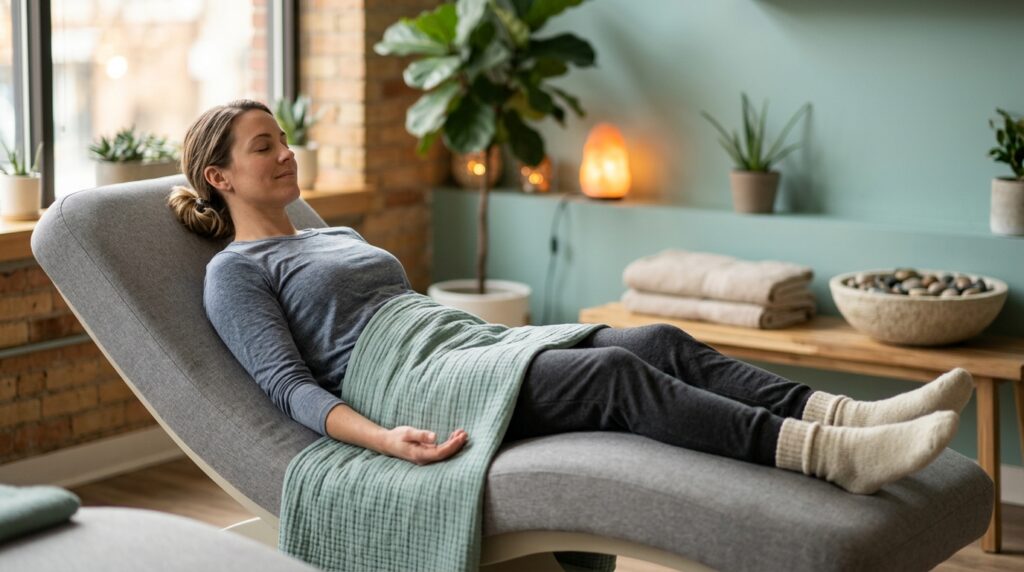
What drives hydromassage chair and bed prices, running costs and buying mistakes, and how a dry Wave and Sonic Table session at Anmowell differs.



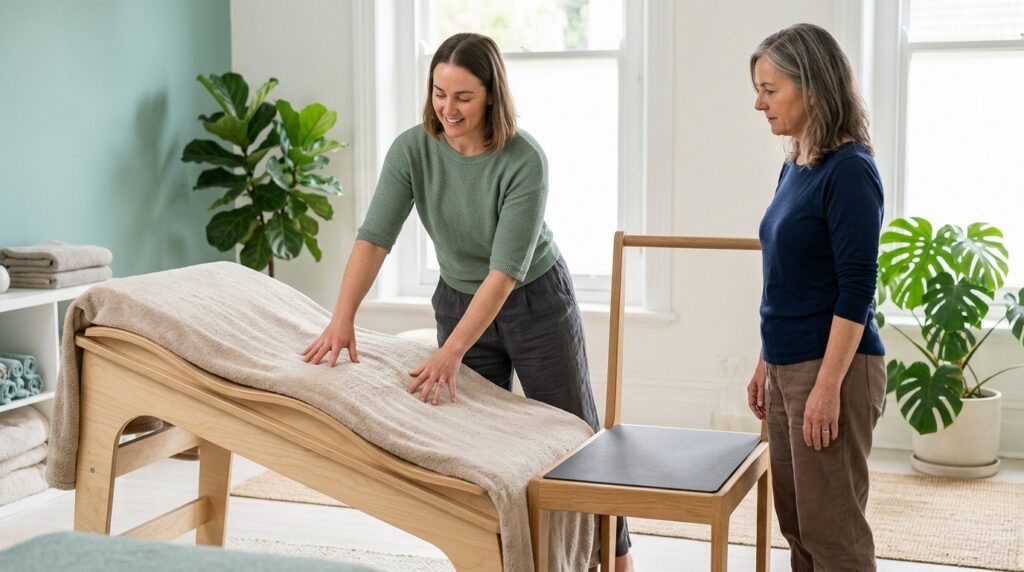


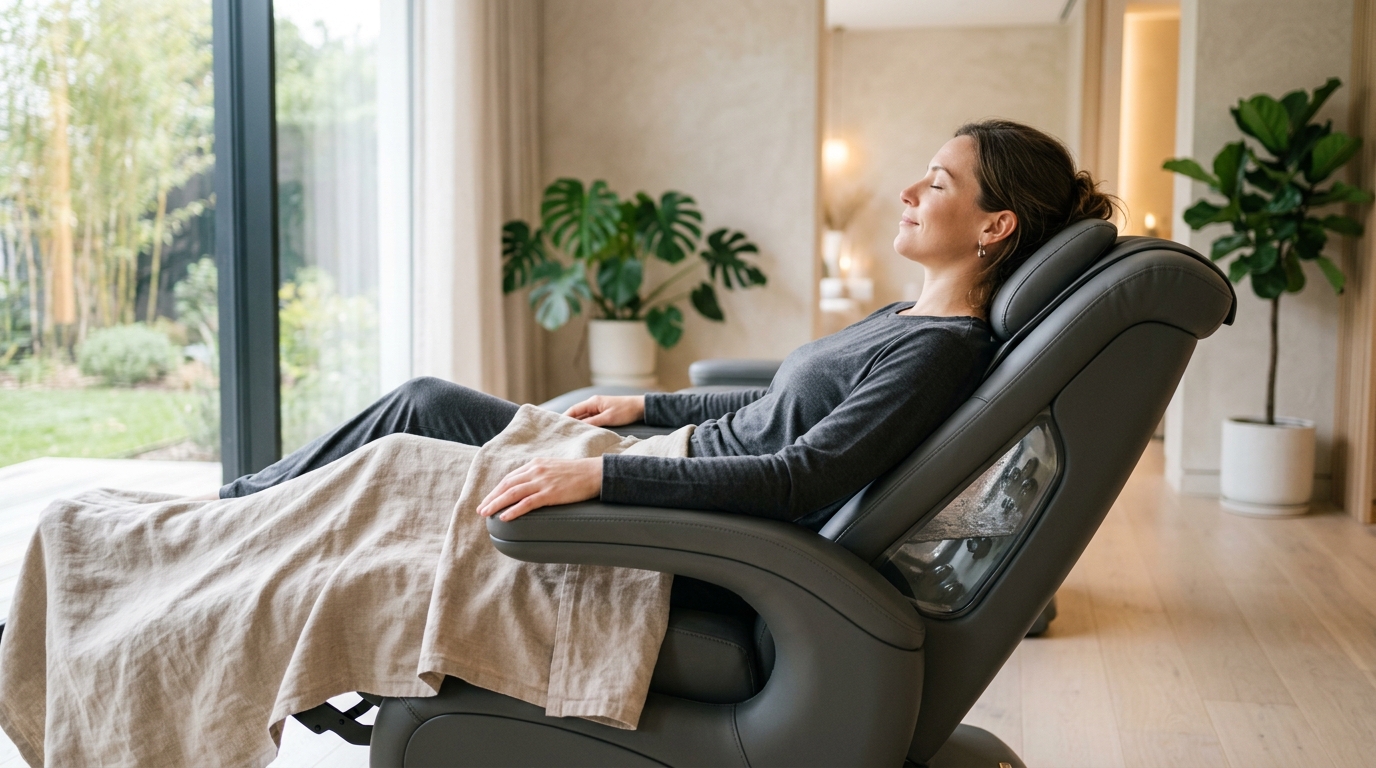
Shopping for a hydromassage chair often means wading through a confusing spread of listings. Prices vary widely between residential units and commercial systems. There’s little clarity on what actually justifies the gap. Before you commit your budget, it pays to understand what drives hydromassage chair price, from water-jet technology to build quality and warranty coverage. Anmowell breaks down every factor shaping costs in 2026, helping you spot genuine value and avoid paying for features you’ll never use.
Traditional massage chairs use mechanical rollers and airbags to press into muscle. A hydromassage system works differently. It uses water as the medium, delivering pressure without any direct contact between hands or hard rollers and skin. Some people compare it with orthopedic massage style relief, though hydromassage is not clinical care.
Inside the bed, a network of nozzles sends water in controlled waves along the body, creating a layered sensation. Many users describe it as firm but gentle, nothing like sharp roller pressure.
The waves target the back, shoulders, hips, and legs in sequence. Many units run preset programs, which makes sessions repeatable.
Most modern hydromassage chairs are dry systems. Water stays sealed inside a membrane or waterproof layer, so clients stay fully dry and clothed. Wet systems involve direct water contact and require a shower afterward.
Dry systems dominate spa settings because they reset faster between clients. There’s no towel-drying, no wet flooring, and less cleaning time. That’s one reason dry hydromassage beds have become common in gyms. Anmowell’s Wave Table and Sonic Table are different equipment and use no water.
Heat elements are built into many dry units too. Warm water, typically between 90 and 100 degrees Fahrenheit, helps loosen tight muscles before the wave pressure begins. This combination of heat and pressure is why these systems feel different from a basic seated massage chair.
A hydromassage bed session is often around 15 minutes. Clients lie fully clothed on a padded surface while water jets move beneath them. No oil. No disrobing. No direct hands-on contact required.
The session usually opens with gentle warmth, moves into stronger wave pressure across the back and legs, then tapers into a cooldown phase.
People searching for the best massage spa fort lee nj often ask what to expect on a first visit. Most describe it as relaxing rather than intense, closer to floating than to deep tissue work.
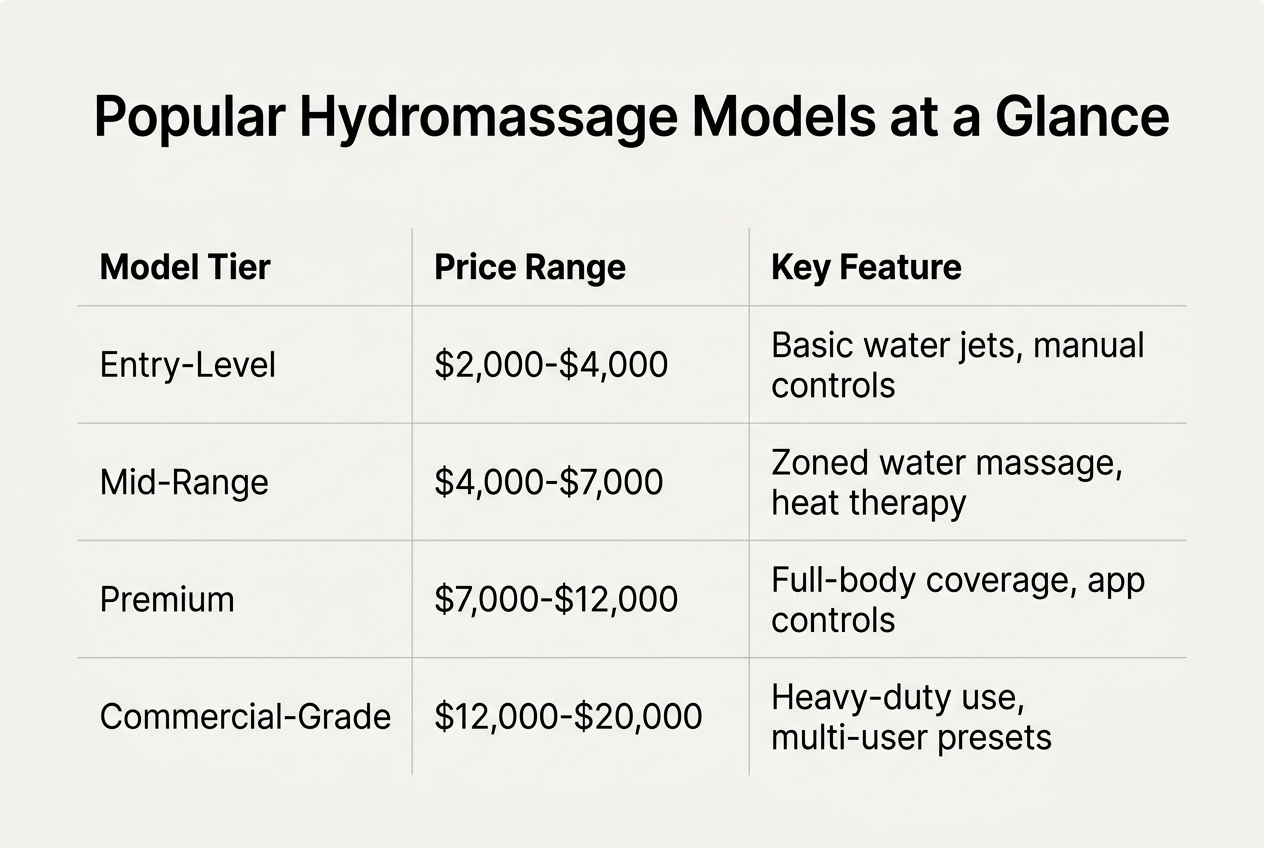
Prices vary widely based on build quality, features, and brand reputation. A basic entry-level unit costs the least, while premium models with more features can run much higher. Knowing these tiers helps buyers set realistic expectations before shopping.
Home units are built for occasional use and smaller frames. Commercial lounge beds, used in spas and gyms, are engineered for daily traffic and heavier components. That durability adds cost. The table below compares typical categories.
| Category | Relative Price | Best For |
|---|---|---|
| Entry-level residential chair | Lowest tier | Home use, light frequency |
| Mid-range residential chair | Higher | Households wanting added features |
| Commercial lounge bed | Higher still | Spas, clinics, wellness centers |
| Premium commercial system | Highest tier | High-traffic facilities, multi-station setups |
Many local businesses avoid large upfront costs through financing or leasing plans. Monthly payment structures spread the investment over time, easing cash flow. Bulk purchases for multiple units often unlock discounts. Some sellers bundle accessories into commercial packages.
Before committing, it helps to review first visit what to expect guides, since understanding the session flow clarifies which equipment tier fits your goals. For those focused on back discomfort, research on vibration massage back pain relief can also guide feature priorities.
The biggest cost driver is the technology inside the unit. Basic models offer one fixed program. Advanced systems add adjustable intensity, zone targeting, and preset routines. Each added layer of control raises the price, but it also expands what a session can deliver.
Customization matters too. Chairs with multiple pressure settings, timer options, and body-mapping sensors cost more to engineer and build. Some units also include attachments for targeted spot work, which adds versatility but raises the price tag.
Research into whole body vibration therapy benefits shows why buyers pay more for precision. Better calibration means more consistent results, and that matters for spas building repeat business around measurable outcomes.
Frame construction and upholstery grade shape both price and lifespan. Commercial-grade steel frames and medical-grade vinyl cost more upfront but resist daily wear far better than budget alternatives. A unit used dozens of times a day needs sturdier components than one meant for occasional home use.
Brand reputation factors in here too. Established manufacturers invest in tested materials and consistent quality control, and that shows up in the price. Lesser-known brands may undercut costs but sacrifice durability, leading to earlier repairs or replacement.
Size and footprint influence pricing as well. Larger lounges with fuller-body coverage typically cost more than compact units due to added materials and engineering complexity.
Warranty length signals confidence in build quality. Short one-year coverage usually accompanies budget models, while premium chairs often include five- to ten-year structural warranties. Longer coverage protects buyers from expensive part failures down the road.
Included support also affects value. Some providers bundle installation, staff training, and ongoing maintenance visits into the purchase price. Others charge separately for each service. Comparing total support packages, not just sticker price, gives a clearer picture of long-term cost.
Compact lounges suit smaller studios or single-room setups. They plug into a standard outlet and need no plumbing hookup. Most fold flat for storage between sessions, making them popular with mobile therapists and boutique wellness rooms.
Full-size commercial beds handle higher client volume. They offer more room for taller clients and support longer, uninterrupted sessions. For how Anmowell’s dry tables differ from water beds, see the wave and sonic massage therapy guide.
The table below compares typical specs across common model categories. Numbers vary by manufacturer, so treat these as general benchmarks.
| Model Type | Footprint | Control Style |
|---|---|---|
| Compact Lounge | Small (single room) | Basic touchscreen |
| Mid-Size Bed | Medium | Preset programs |
| Full-Size Commercial Bed | Large (dedicated area) | Full digital dashboard |
Analytics features now separate basic units from advanced ones. Many beds track pressure zones, session history, and heart rate response. Buyers should compare dashboard reporting, since data tracking often affects long-term client retention.
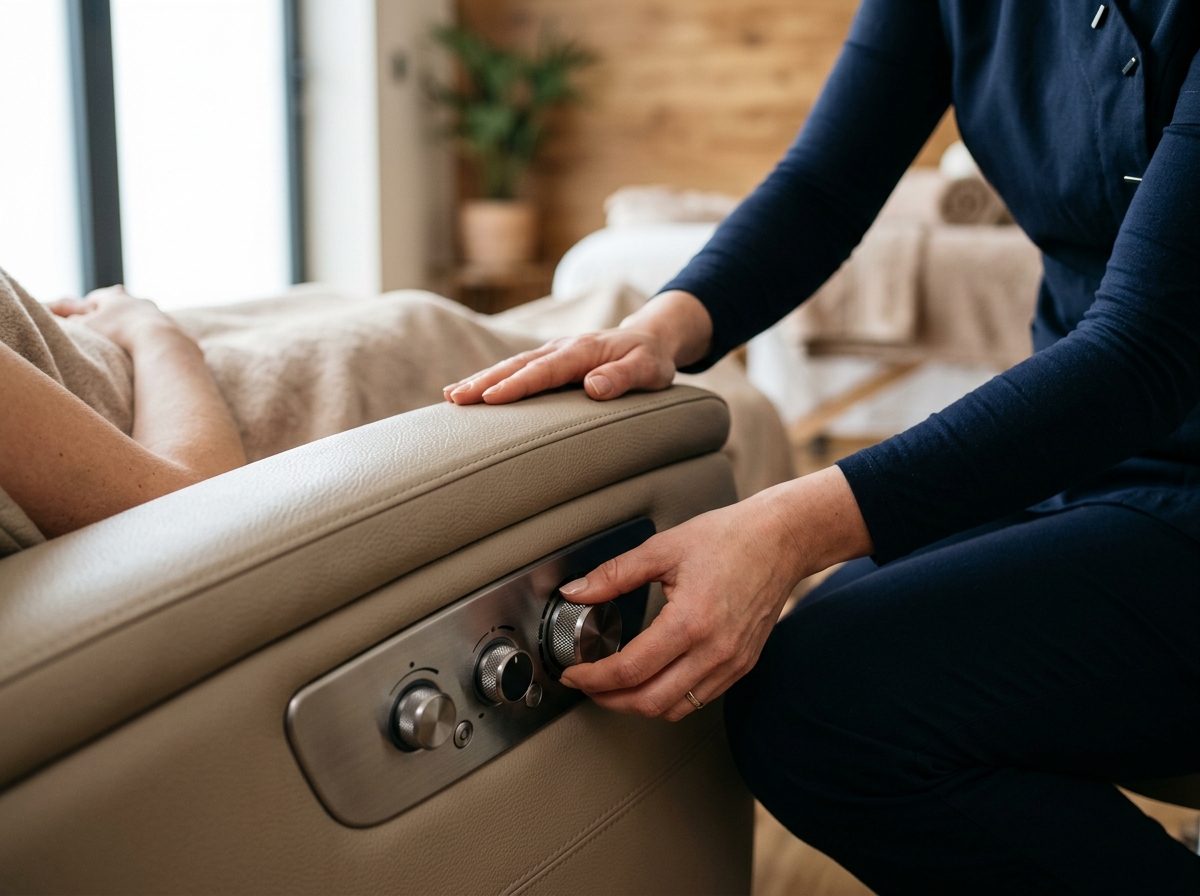
The sticker price is only part of the story. A hydromassage system also needs electricity to run its pumps and heaters, plus water for the water-jet system. Most units use standard household outlets, so monthly electricity costs stay modest compared to running other spa equipment.
Water use is minimal since these systems recirculate a closed supply rather than draining and refilling constantly. Owners should still budget for occasional water changes, filter checks, and basic cleaning supplies. These small costs add up over a year but rarely rival the impact of the initial purchase.
Upkeep also includes upholstery care and cover replacements, since these touch every client during each session. Wiping down surfaces after each use keeps the equipment sanitary and extends its lifespan without adding real expense.
Many manufacturers advertise minimal maintenance as a selling point, and for good reason. Sealed water systems and durable pump motors mean fewer moving parts to break down compared to traditional massage tables or handheld massage tools.
Still, service contracts matter. A solid plan covers pump replacement, sensor calibration, and software updates for digital controls. Some providers offer annual check-ups, while others bundle parts and labor into a flat yearly fee. Read the fine print before buying to avoid surprise repair bills later.
Over five to ten years, total ownership cost includes the purchase price, utilities, filters, and occasional part replacements. Businesses that track these numbers often find the equipment pays for itself through repeat visits and membership upgrades.
Choosing a seller with a strong reputation matters for long-term value, so ask each manufacturer for warranty terms and support history. Anmowell, a studio rather than a seller, describes its own approach on its about us page.
Ultimately, lower lifetime costs come from routine care, not expensive fixes. Simple habits, like scheduled cleaning and prompt filter swaps, keep the therapy running smoothly for years.
Start by measuring your available floor space. A hydromassage chair or bed needs clearance for plumbing, water lines, and easy client access. Think about daily usage too. A busy studio running back-to-back sessions needs sturdier components than a small office offering occasional use.
Never buy sight unseen. Visit a showroom or book a trial session to feel the water pressure, warmth, and cycle length firsthand. Many people search for vibration therapy near me fort lee just to compare local demo options before committing. Testing reveals comfort details that spec sheets never show.
Once you know your needs, gather quotes from several vendors. Prices vary widely based on features and support, so comparing helps you spot fair value.
Water pressure works muscles without touch. Warm jets move across tired areas and boost circulation. Many people find the warmth and pressure relaxing after exercise or a long day standing.
Anmowell’s dry session is different: 30 minutes of inclined rhythmic motion on the Wave Table and 10 minutes of vibration on the Sonic Table, followed by a 5-minute handheld massage, with no water involved.
Warm water and steady rhythm calm the nervous system fast. Heart rate slows, breathing deepens, and muscles let go of tension built up over the week. Many clients feel noticeably lighter before the session even ends.
This calm carries into the evening. Research on massage for better sleep shows relaxation therapies can shorten the time it takes to fall asleep and improve rest quality overall.
For people juggling work stress or irregular sleep schedules, one session a week can reset both body and mind, making the cost feel like a wellness investment rather than a luxury expense.
Hydromassage suits many people, though not everyone. There’s no disrobing, no oils, and no direct touch, which makes it comfortable for first-timers, older adults, and people with sensitive skin or joint pain.
Weight limits and seat designs vary by model. Sturdier builds accommodate larger frames comfortably, widening access for more clients.
Anyone who is pregnant, has a medical condition, or is recovering from an injury should ask a doctor before using a hydromassage bed, and Anmowell’s own tables are not offered during pregnancy.
Traditional massage chairs use rollers and airbags to press into the body. Water massage uses pressurized jets through a waterproof barrier for a gentler feel. Many clients seeking massage for stress relief prefer water-based sessions because there’s no direct skin contact and less mechanical pressure. Human massage offers customized hands-on care but costs more per visit and requires scheduling a licensed therapist.
Sonic Table Therapy uses vibration to relax muscles quickly. Wave Table Therapy uses inclined rhythmic motion, not water, for a slow, rhythmic effect. Both are non-invasive, and Anmowell combines them with a handheld massage in one 45-minute session.
The table below summarizes typical costs and benefits.
| Option | Typical Session Cost | Key Benefit | Main Drawback |
|---|---|---|---|
| Water Massage Bed | Varies by gym or spa | No skin contact, quick 15-min sessions | Limited to lying position |
| Wave and Sonic Table session at Anmowell | $60 ($38 first visit) | Inclined motion and vibration, 45 minutes | Appointment needed |
| Traditional Massage Chair | Varies | Widely available, self-service | Fixed pressure patterns |
| Human Massage Therapist | Varies by provider | Fully customized touch | Higher cost, appointment needed |
| Home handheld massager | Cost of the device | Convenient, targeted relief | Requires manual effort |
Value depends on your goals. Quick recovery favors water or sonic sessions. Ongoing tension may justify a therapist’s touch.
A quiet recovery amenity can give members another reason to visit.
Satisfaction also spreads through word of mouth. That kind of organic referral is hard to buy through advertising.
Retention also improves when clients understand the health angle. Sessions promoted around massage for better circulation attract wellness-minded members who value long-term benefits, not just a one-time treat. This audience tends to renew memberships more consistently.
These systems open a clear added revenue stream. Spas can charge per session or bundle sessions into membership tiers. Gyms can offer them as a premium add-on, separate from standard monthly dues, without hiring extra staff to manage the offering.
Facilities also pair sessions with other services in recovery packages.
Unlike traditional massage services, these systems don’t need a licensed therapist present for every session. One trained staff member can oversee multiple sessions across a shift, keeping labor costs low while capacity stays high.
Operation is simple enough that many facilities train existing front-desk staff. Anyone researching a hydromassage purchase should note that minimal supervision, not constant staffing, is part of the long-term appeal.
Buyers often make the same errors when shopping for hydromassage equipment. Knowing these mistakes early can save thousands of dollars later.
The lowest quote rarely tells the whole story. A cheap unit may lack proper calibration or skip features entirely.
A hydromassage chair needs floor space, electrical access, and clearance for reclining. Some units require 240-volt outlets or reinforced flooring. Skipping a site measurement often leads to costly rework after delivery. Many local businesses researching massage wellness near you bergen county learn this the hard way when a unit arrives and doesn’t fit the planned room.
Long-term maintenance costs add up fast without a solid warranty. Ask about parts coverage, response times, and whether technicians travel to your location.
A home unit makes sense if you use it often. Weekly use for chronic tension, like massage for neck and shoulder pain, can justify the cost. Occasional users usually save money booking sessions instead.
Quality units are built to last many years with normal care, so ask each manufacturer for the expected lifespan. Lifespan depends on usage hours, water or component quality, and how well you follow maintenance schedules.
Many sellers offer payment plans, especially for commercial-grade equipment. Before signing, weigh these points:
Compare total interest paid against outright purchase price before deciding.
A big purchase deserves a real test. Trying the therapy first removes the guesswork. A trial session lets you feel the difference between water-jet equipment and dry tables before you commit any money.
Some people expect deep pressure. Others want something gentle. A trial session shows you which style fits your body. It also reveals how your muscles respond after just one visit. Anyone with sciatica should see a clinician before trying any massage equipment.
Without this step, buyers often guess. That guesswork leads to regret later. A short session gives clear, honest feedback in under an hour.
Not every provider offers the same quality of equipment or care. Look for a dedicated provider with modern beds, clean facilities, and trained staff. Hydromassage is widely available while wave and sonic table studios are still uncommon, and experience levels vary widely.
Ask how long they’ve operated the equipment. Ask about session structure, including warm-up, active massage, and cool-down phases. A knowledgeable staff member should explain each stage clearly, without rushing you.
Reviews and word-of-mouth referrals help too. A trusted provider will welcome questions and offer a calm, unhurried first visit.
Booking is simple. Most providers offer online scheduling or a quick phone call. Choose a time when you’re not rushed, since relaxation works best without a tight schedule afterward.
Arrive a few minutes early to discuss any specific concerns, such as tight shoulders or lower back discomfort.
This first appointment sets the tone for future decisions, helping you judge comfort, results, and whether ongoing sessions make sense for your wellness goals.
Ultimately, the choice comes down to what your body actually needs right now: hands-on, targeted pressure calls for a trained therapist, while general relaxation or circulation support after a long day might be well served by a passive, no-disrobing session on a table instead. It’s worth asking whether you have any of the health conditions that make vibration or inclined traction a poor fit, and simply checking with a doctor first if there’s any doubt. Either way, knowing the difference between hands-on bodywork and whole-body vibration helps you pick the option that actually matches your goal.