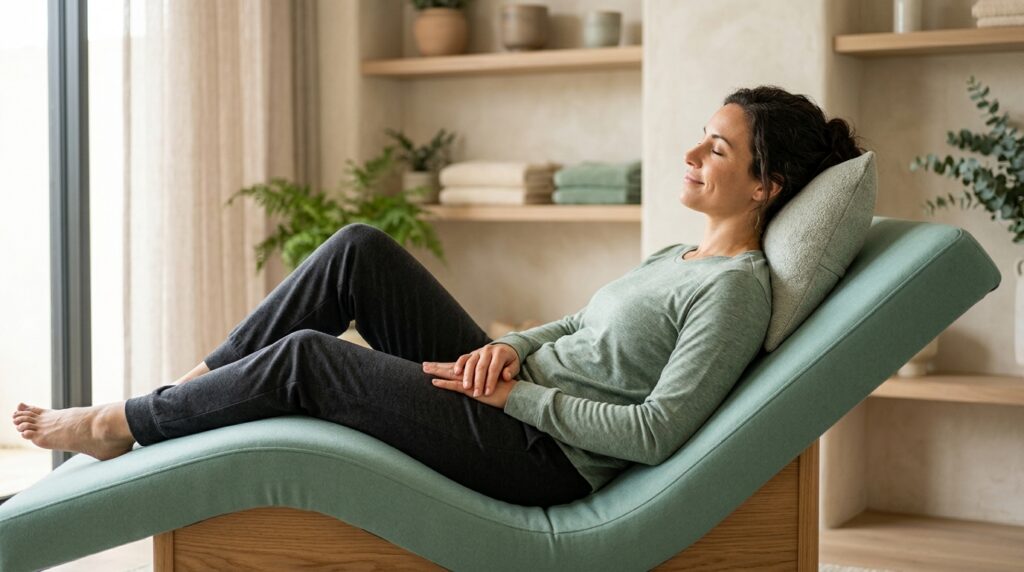
Lymphatic drainage massage explained: signs you need it, how sessions work, and how Anmowell’s Wave & Sonic Table Therapy offers a machine-assisted alternative.


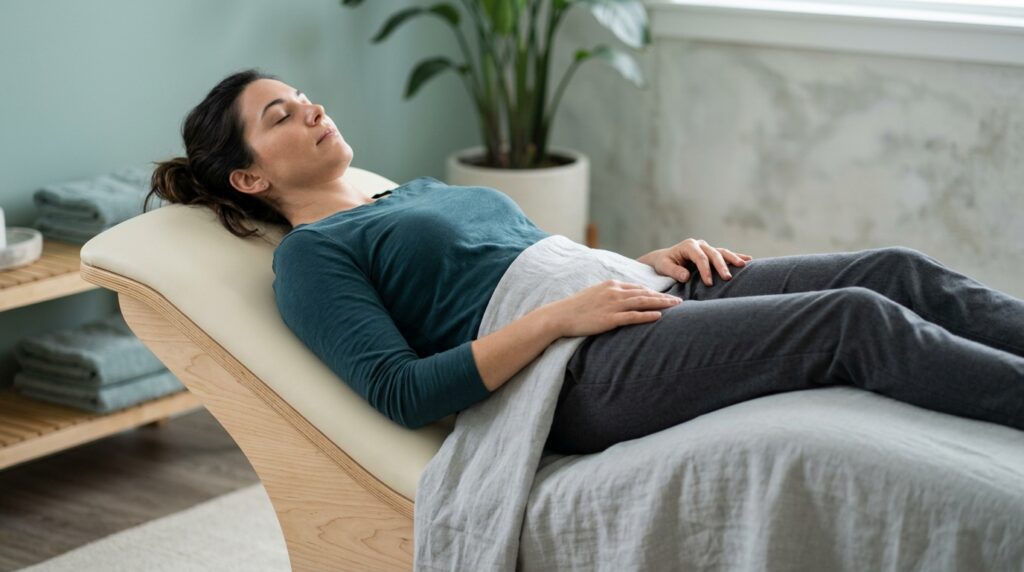


Puffy mornings, heavy legs by afternoon, and stubborn swelling that skin creams never seem to fix are often signs that your lymphatic system needs support, not just your skincare routine. Lymphatic drainage massage is a clinical, hands-on technique performed by trained therapists to help fluid move more freely through the body. Anmowell does not offer lymphatic drainage massage, but this complete 2026 guide breaks down how the technique works, what results to realistically expect, and where Anmowell’s Wave & Sonic Massage Therapy fits in as a different kind of circulation-focused session for people who want a passive, no-disrobing alternative on the days between manual treatments.
The lymphatic system is a network of vessels and nodes running throughout the body. It carries a clear fluid called lymph, which collects waste, excess fluid, and toxins from tissues. Unlike blood, lymph has no central pump. It depends on muscle movement, breathing, and gentle pressure to keep flowing.
This system also backs up immune defense. Lymph nodes filter out bacteria and other harmful particles before fluid returns to the bloodstream. When flow slows down, fluid builds up. That shows up as puffiness, heaviness, or a sluggish feeling. This buildup is often the first sign something needs attention.
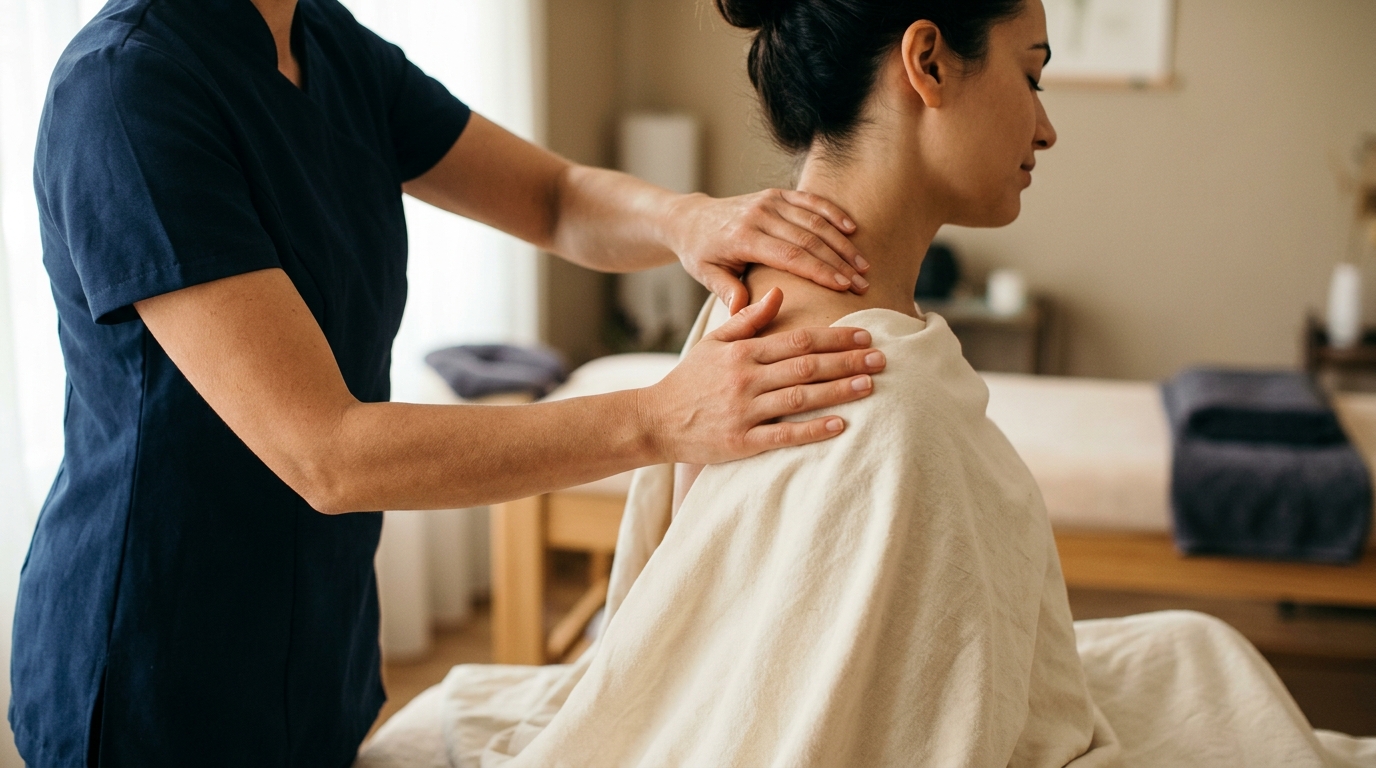
Traditional lymphatic work, known as manual lymphatic drainage (MLD), uses light hand strokes patterned in specific directions to move fluid toward drainage points. This method takes years of specialized training. Therapists must learn the body’s node map so they don’t push fluid the wrong way — it is a clinical skill, not something a general wellness session can replicate.
Anmowell’s Sonic Table Therapy and Wave Table Therapy work on a different principle entirely. These tables use whole-body vibration and rhythmic mechanical waves to stimulate circulation, and a closing Handheld Massage covers the back and shoulders. What vibration does for blood flow and muscle relaxation is not the same as what a trained MLD therapist does for lymph — the tables do not drain the lymphatic system, and Anmowell makes no claim that they do. For guests specifically seeking lymphatic drainage, a licensed manual lymphatic drainage therapist is the right provider to see.
Many clients arrive after long flights, stretches of low activity, or general fluid retention. Others want relief alongside orthopedic massage for joint or soft tissue concerns — a clinician-led service, not something Anmowell provides, though guests managing everyday tightness sometimes look at Anmowell’s tables as a separate, complementary option between clinical visits. This differs from general relaxation work, which targets muscle tension rather than fluid movement.
Some clients also pair lymphatic sessions with massage for neck and shoulder pain when tightness feeds into poor circulation. A dedicated MLD provider can tailor manual sessions to these goals, since needs vary widely from person to person.
A sluggish lymphatic system often shows up first in the tissues. You might notice rings feeling tight by afternoon, or socks leaving deep marks on your ankles. This happens because lymph fluid isn’t draining well, so it pools in soft tissue instead of moving back toward the heart.
Some swelling is normal after a salty meal or a long flight. But persistent puffiness that doesn’t fade, or swelling in only one leg, is a reason to see a doctor, not to try massage for better circulation or any other bodywork.
Fatigue and brain fog have many possible causes and are not reliable signs of a lymphatic problem. A doctor is the right person to look into persistent tiredness.
The lymphatic system carries infection-fighting cells throughout the body. Frequent infections or cuts that heal slowly are worth raising with a doctor, since they can have causes that need medical care.
Several everyday habits can quietly slow this system down. Consider whether these apply to you:
If these signs sound familiar, a licensed lymphatic drainage therapist is the right first stop for a full evaluation.
A typical MLD session starts with a short consultation. The practitioner asks about health history, swelling patterns, and any recent surgeries. This step matters — it helps them adjust pressure and pacing to your needs.
Clients are usually asked to drink water beforehand and wear loose, comfortable clothing. Many providers also suggest avoiding heavy meals right before treatment. This keeps the body relaxed and ready to respond to gentle stimulation.
This is a clinical, hands-on process from start to finish. If you’re curious how Anmowell’s separate wave and sonic sessions are structured instead, the wave and sonic massage therapy guide walks through what to expect on the tables, which is a different experience built around vibration rather than manual lymph work.
An MLD session generally moves through stages over 45 to 90 minutes. First, a warm-up phase uses gentle rhythmic pressure to prepare tissue and get fluid moving. Second, the main treatment phase applies light, directional strokes to push lymph toward drainage points. Third, a cool-down phase slows the rhythm and helps the body settle.
Rhythmic hand pressure is the key mechanism throughout. It mimics the body’s natural pumping action, moving fluid without force. This gentle rhythm is why the treatment feels relaxing rather than painful.
Each stage typically lasts 15 to 20 minutes, adjusted based on comfort level and problem areas.
Manual lymphatic drainage relies entirely on trained hands reading the skin and adjusting pressure by feel — that precision is the whole point of the technique. Anmowell’s Sonic Table Therapy and Wave Table Therapy sit in a different lane: they use calibrated vibration and mechanical waves to support circulation across the whole body, evenly and repeatably, but they are not a substitute for the directional hand technique that actually moves lymph.
Handheld Massage at Anmowell addresses remaining tension in the back and shoulders as the closing stage of every session. For readers who want the clinical background on how true lymphatic drainage compares with general massage, Cleveland Clinic’s overview of lymphatic drainage massage is a solid clinical reference point.
Whole-body vibration sessions offer steady, repeatable stimulation clients can count on every visit — a different goal than manual lymph work, and worth choosing based on what you actually need that day.
Manual lymphatic drainage relies on light, rhythmic hand strokes performed by a trained therapist who reads the skin and adjusts pressure by feel. Sonic Table Therapy and Wave Table Therapy use calibrated vibration and gentle mechanical waves instead, applied evenly across the whole body. Both can support circulation, but only the manual technique is designed and trained specifically to move lymph. That distinction is the most important thing to understand before choosing between them.
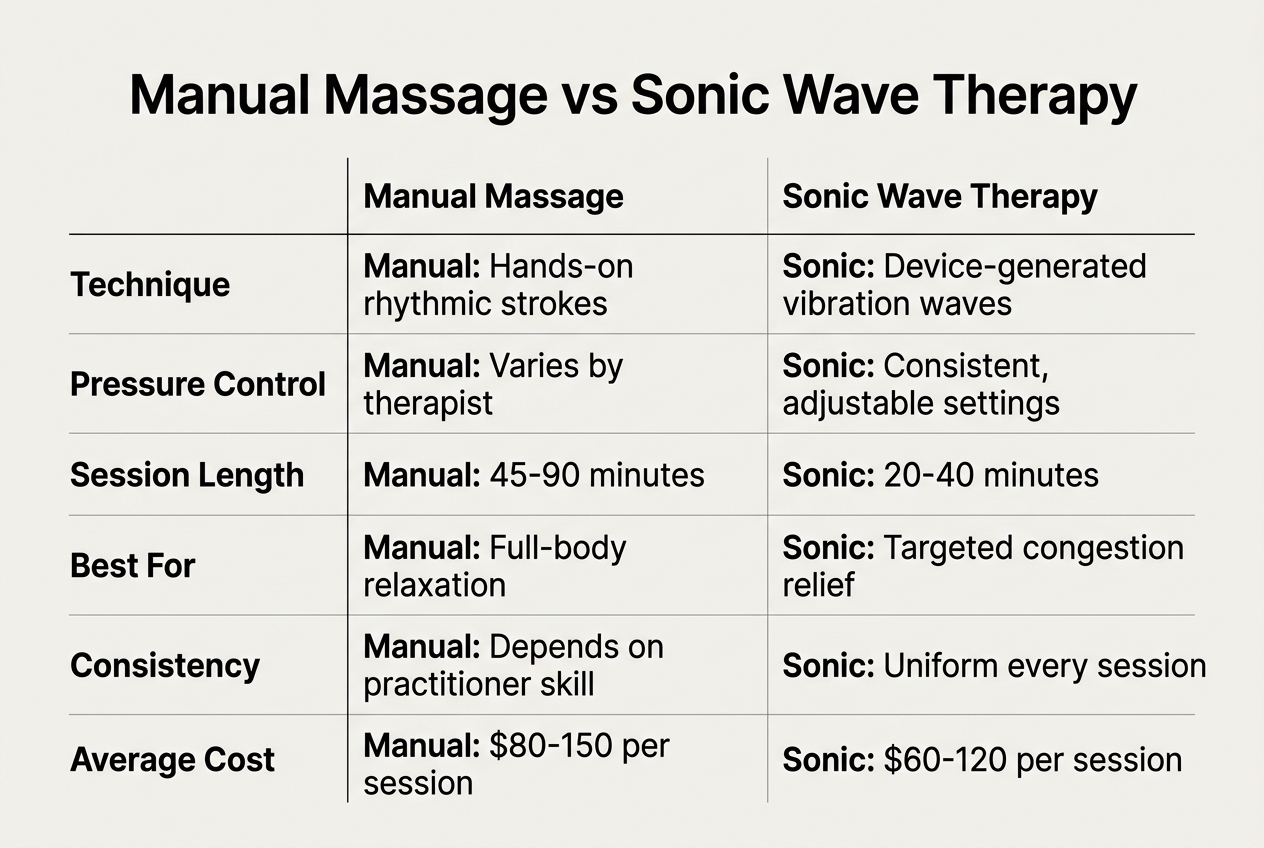
Time investment separates these options quickly. A full manual lymphatic drainage session often runs 60-90 minutes with a licensed therapist. A session on Anmowell’s wave or sonic tables typically wraps in 45 minutes, with less physical fatigue for the client, but again — it is a circulation and relaxation session, not lymphatic drainage. Handheld Massage is the 5-minute closing stage of that same 45-minute visit, not an add-on.
| Feature | Manual Lymphatic Drainage | Wave/Sonic Table (Anmowell) | Handheld Massage (Anmowell) |
|---|---|---|---|
| Average duration | 60-90 min | 45 min | Closing stage of session |
| Pressure control | Therapist judgment | Pre-set, consistent | Adjustable by hand |
| Physical effort for client | Moderate | Minimal | Low |
| Best for | Clinical lymph movement | General circulation, relaxation | Targeted muscle relaxation |
| Performed by | Licensed MLD therapist | Anmowell staff, machine-guided | Anmowell staff |
Choice comes down to goals. Readers dealing with diagnosed lymphedema or post-surgical swelling need a licensed manual lymphatic drainage therapist — that is clinical care, not a wellness upgrade. Readers who simply want a no-disrobing, whole-body relaxation session with a circulation boost, without any hands-on manual work, may look at table-based therapy instead, which also delivers broader whole body vibration therapy benefits unrelated to lymph drainage specifically.
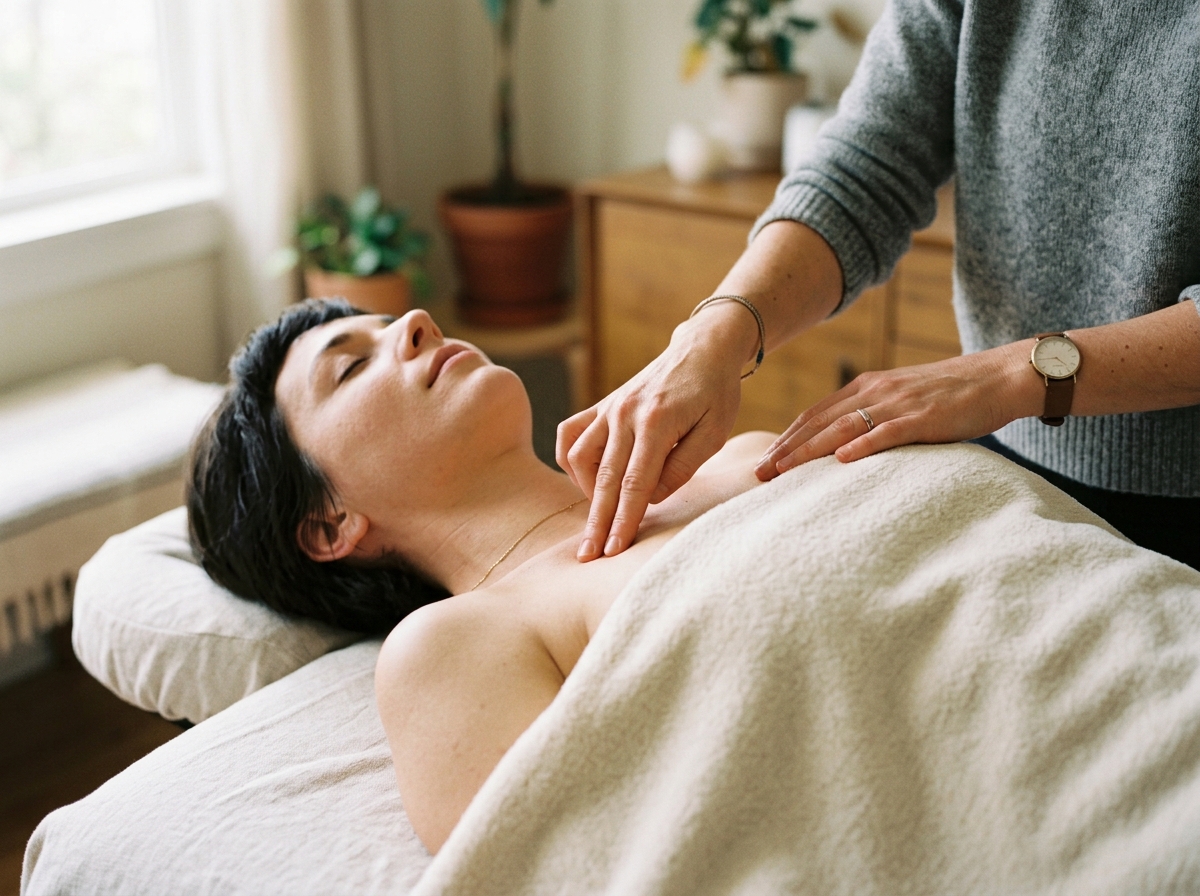
The most noticeable benefit of manual lymphatic drainage is reduced swelling and puffiness, achieved through directional hand technique that moves trapped fluid toward drainage points. That specific, targeted result belongs to MLD. What Anmowell’s Sonic Table and Wave Table can offer is a different kind of physical benefit: whole-body vibration that stimulates general blood circulation and helps muscles feel looser within a single 45-minute visit. Any looser, less tense feeling afterward is relaxation, not lymphatic drainage.
Better blood circulation also supports the immune system in a general sense. Fresh blood flow carries oxygen and nutrients to tissues. This gives the body a helpful foundation for daily function, even though it is not the same mechanism that MLD uses to clear lymph specifically.
Consistent manual lymphatic drainage sessions, done by a trained therapist, can support the body’s detox process and skin appearance over time. Separately, regular sessions on Anmowell’s tables can offer their own set of circulation-related perks:
For readers who want a clinical, muscle-specific explanation of why lymphatic work is different from ordinary massage, this overview of lymphatic drainage as a technique not meant for muscles is a useful reference.
Beyond physical results, Anmowell’s wave and sonic sessions are designed to be calming. Many people describe the 45-minute session as deeply calming, similar in feel to massage for stress relief approaches used in other wellness settings, though without any hands-on manipulation of muscle or lymph tissue. The Handheld Massage stage at the end of every session covers the back and shoulders.
Most people tolerate manual lymphatic drainage well. Still, mild soreness can show up after a session, especially the first time. Some clients notice light fatigue, tenderness near treated areas, or a temporary feeling of puffiness as fluid moves through the body.
Increased urination or thirst is also common within a few hours. This happens because the body is processing extra fluid and waste. These effects usually fade within 24 to 48 hours and count as a normal response, not a warning sign.
Rare but possible complications include headaches or mild dizziness. If soreness lasts more than two days or gets worse, contact your MLD provider so the approach can be adjusted.
Cleveland Clinic advises against lymphatic drainage massage for people with blood clots or deep vein thrombosis, cellulitis or another infection, fever, heart disease, kidney failure, or a history of stroke, and notes that providers won’t do it directly over cancerous tissue or skin damaged by radiation therapy. Moving lymph fluid through the body can, in rare cases, worsen these conditions if not managed properly by a trained clinician.
The same caution extends to Anmowell’s tables, for different reasons tied to vibration and inclined positioning rather than lymph flow. Sonic Table Therapy is not for guests who are pregnant or trying to conceive; who have a pacemaker, defibrillator, or other implanted electronic device; who have a known blood clot, deep vein thrombosis, or a clotting disorder; who have had surgery, a fracture, or a joint replacement in the last six months; or who have severe osteoporosis, an acute hernia, retinal detachment, epilepsy or a seizure disorder, an active cancer diagnosis, uncontrolled heart disease, or acute inflammation. Wave Table Therapy is not for guests who are pregnant; who have uncontrolled high blood pressure, glaucoma or other raised eye pressure, heart disease, or a history of stroke; who have had spinal surgery, a spinal fracture, or a disc injury in the last twelve months; or who have spinal instability, severe osteoporosis, an acute hernia, or vertigo and balance disorders. Anmowell does not give medical advice and asks every guest with any medical condition, recent injury, or ongoing treatment to check with their doctor before booking either table.
Anmowell does not offer either table during pregnancy, and guests in the early postpartum weeks should check with their doctor before booking any wave or sonic session. A licensed prenatal massage therapist, and separately a cleared postpartum provider, are the right choice for those stages of life.
Before any first appointment, share your full medical history. A manual lymphatic drainage therapist screens for risk factors, and Anmowell staff check the contraindication lists above before a table session. Reading a guide on first visit what to expect can help you prepare questions in advance for a wave or sonic table appointment specifically.
Open communication protects your safety and improves results. Never skip this step if you have a chronic illness, take blood-thinning medication, or fall into any of the groups listed above.
First-timers at Anmowell should arrive in loose, comfortable clothing. Skip a heavy meal right before your visit, and drink water as you normally would.
Expect a short intake conversation. Staff will ask about recent injuries, implanted devices, pregnancy status, and other health conditions listed in the contraindications above. This isn’t a medical exam. It simply helps them confirm the tables are appropriate for you and, when they’re not, point you toward checking with your doctor first.
Set realistic expectations. This is a relaxing, non-invasive experience focused on whole-body vibration and rhythmic motion, not manual lymphatic drainage and not a deep-tissue workout. Many people feel a bit nervous before their first visit, but the setup is simple: you lie down, get comfortable, and let the equipment do the work.
The session typically moves through stages. First, Wave Table Therapy uses gentle rolling, inclined motion to warm up the body. Next, Sonic Table Therapy adds vibration pulses that stimulate circulation. The final stage is always a 5-minute Handheld Massage on the back and shoulders.
Sensations are mild. Expect light pressure, rhythmic movement, and a subtle humming vibration. Most clients describe it as soothing, similar to a gentle rocking motion. It’s rarely uncomfortable, and many people relax so deeply they doze off for part of the 45 minutes.
Drink water as you normally would after the session, and light walking afterward is fine.
Avoid alcohol and salty foods the same day. Building these habits into a broader massage self care routine helps results last longer between visits.
Most people notice changes right away after a Wave Table Therapy session. Muscles feel looser. Some tension around the neck or lower back softens within hours. This is the immediate effect of the rhythmic, inclined motion, which is a circulation and relaxation response rather than lymph drainage.
Some clients feel calm and sleepy after the Sonic Table Therapy stage. This is normal — vibration therapy tends to have a settling effect on the nervous system.
A single session rarely fixes long-standing swelling or fluid retention — that kind of change is the territory of manual lymphatic drainage with a trained therapist. What a wave or sonic session offers is short-term relaxation and a clear sense of how vibration affects your body.
Anmowell makes no claim that results build over repeated visits. Readers comparing studios can see this best massage spa fort lee nj overview.
How often to book is each guest’s choice.
Hydration, activity level, diet, and existing health conditions all shape how fast you respond to vibration therapy. Someone with a diagnosed lymphatic condition should work with a manual lymphatic drainage specialist rather than relying on wave or sonic sessions to address that specific concern.
Set realistic goals. Improvement is gradual, not instant, and results depend on your starting point and which service actually matches your goal.
Between visits to a licensed manual lymphatic drainage therapist, you can support your body with simple self-massage. The key rule is light pressure. Lymph vessels sit just under the skin, so gentle strokes work better than deep kneading. This differs from general muscle-focused massage, as explained in Understanding Lymphatic Drainage: A Massage Not Meant for Muscles.
Always start at the collarbone. This area holds the main drainage exit points. Use flat fingers and small circular strokes, about 10 to 15 per spot, before moving lower.
Next, work the underarms and belly. Sweep hands gently toward the collarbone in slow, repeated passes. This clears a path for fluid coming from the arms and torso.
Finish with legs and ankles, working upward toward the thighs. The table below outlines the basic order and timing for a full home routine.
| Step | Body Region | Technique | Duration |
|---|---|---|---|
| 1 | Clavicle | Small circular presses | 1 minute |
| 2 | Neck | Downward gentle strokes | 1 minute |
| 3 | Underarms/Abdomen | Sweeping strokes inward | 2 minutes |
| 4 | Legs | Upward stroking motions | 3 minutes |
| 5 | Ankles/Feet | Light circular rubs | 2 minutes |
Stop if you feel pain, dizziness, or swelling that worsens. Avoid this routine over infections, blood clots, or open wounds. If you’re unsure where to start, a licensed manual lymphatic drainage therapist can walk you through proper technique in person; Anmowell’s about us page has background on the wave and sonic services offered separately at the studio.
Manual lymphatic drainage sessions work best when paired with daily habits. Simple routines keep lymph moving between visits and help results last longer. Anmowell’s wave and sonic sessions can complement these habits by supporting general circulation, even though they work through a different mechanism than lymph drainage.
Dry brushing is a simple tool for lymph stimulation. Use a firm, natural-bristle brush before showering. Always brush toward the heart, starting at the feet and hands.
Muscles act as pumps for the lymphatic system. Without movement, fluid can stagnate. Regular activity keeps this natural pump working properly.
Water is part of any healthy routine. Pair it with potassium-rich foods like bananas and leafy greens. Cutting back on salty, processed snacks also limits fluid retention. Some readers also look at massage for better sleep as part of a wind-down routine.
For actual lymphatic drainage, look for a certified lymphatic drainage specialist or a manual lymphatic drainage (MLD) trained therapist. Training programs like Vodder, Chikly, or Foldi are recognized names in this field. A provider should also list hours of supervised practice, not just a weekend course.
Ask how long the practitioner has worked with lymphatic concerns specifically. Someone with three or more years of focused experience will understand anatomy, contraindications, and pacing better than a general wellness provider. For a wave or sonic table session at Anmowell, ask instead about staff training on the equipment itself and how they screen for the contraindications listed above.
Before booking anywhere, ask directly what technique will be used during the session. Some providers offer hands-on manual lymphatic drainage; Anmowell offers Sonic Table Therapy, Wave Table Therapy, and Handheld Massage — whole-body vibration and mechanical wave technology, not manual lymph work. Understanding the approach up front helps set realistic expectations.
Ask about session length, cost, and how many visits are typically recommended for your specific goal. It also helps to search options like vibration therapy near me fort lee to compare local wave and sonic providers if that’s the circulation-focused route you’re after, separate from any manual lymphatic drainage research.
Technology-assisted circulation sessions are gaining popularity because they offer consistent stimulation and shorter appointments, often around 45 minutes. Wave and sonic beds deliver rhythmic stimulation without any hands-on manual pressure, appealing to clients who want a gentler, non-invasive experience distinct from clinical lymph work.
Handheld Massage at Anmowell is the closing stage of every visit and covers the back and shoulders. When comparing providers, ask plainly whether a business offers manual lymphatic drainage or whole-body vibration therapy — the two solve different problems, and a clear answer up front saves confusion later.
Wellness sessions can help with general tension, and Anmowell’s tables are not a treatment for swelling. But some signs point to something bigger. Swelling that is hard, painful, or only on one side deserves a doctor’s attention. So does skin that feels tight, shiny, or discolored. A limb that suddenly swells within 24 hours is a red flag, not a spa matter.
Fever, warmth around the swollen area, or red streaks can signal infection. Numbness, tingling, or a heavy, aching limb that doesn’t ease with rest also needs review. These symptoms go beyond normal fluid buildup and call for a trained medical eye, not relaxation therapy of any kind.
Temporary swelling often follows a long flight, salty meal, or hours of sitting. It usually fades within a day or two. Chronic swelling is different. Lymphedema, for example, builds slowly and stays. It may involve an arm or leg that feels consistently larger, tighter, or heavier than the other side.
This condition often develops after surgery, radiation, or lymph node removal, sometimes years later. It doesn’t resolve on its own and tends to worsen without proper management. If swelling lasts more than two weeks, or keeps returning in the same spot, get a diagnosis rather than assume it’s routine congestion — this calls for a physician and likely a manual lymphatic drainage specialist, not a wave or sonic table session.
A doctor can confirm whether swelling is lymphatic, vascular, or tied to another cause entirely. Ask your provider before starting any new therapy, especially with a history of clots, cancer treatment, heart conditions, pregnancy, or any of the contraindications listed earlier in this guide.
Guests with none of the listed contraindications who are interested in whole-body vibration can look into massage wellness near you bergen county resources, and treat wave and sonic sessions as relaxation, never a replacement for medical care.
Ultimately, the choice comes down to what your body actually needs right now and whether any of the caution points apply to you—if you’re pregnant, trying to conceive, in the early postpartum weeks, managing a heart condition, living with an implanted device, or recovering from recent surgery, check the contraindication lists above, since pregnancy, implanted devices, heart disease, and recent surgery each rule out one or both tables, and talk to your doctor before any booking decision; manual lymphatic drainage with a licensed therapist may be the more appropriate path entirely. For guests without those concerns who are simply deciding between clinical lymph work and a passive wellness session, it’s worth asking whether you want hands-on technique targeting lymph flow specifically, or a no-disrobing, whole-body vibration session that fits into a lunch break or a between-workout reset. Either path is valid; the right one just depends on your goals, your health history, and what your body is actually asking for.
Temporary closure
The studio is closed while our team is away. You are welcome to book ahead for after we reopen.
Thank you for your patience. See you soon.