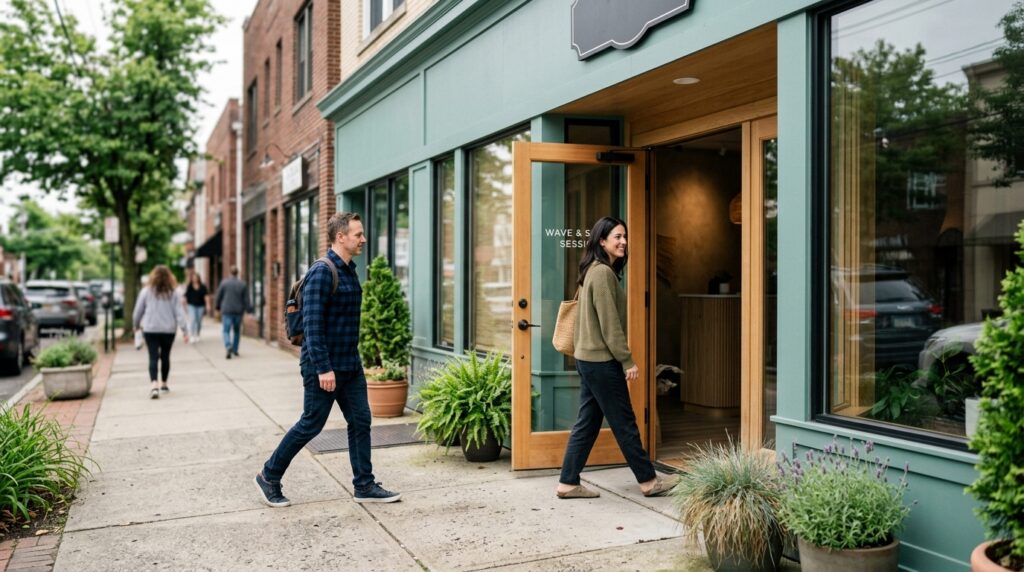
Lymphatic drainage massage benefits range from less swelling to calmer sleep; the article compares manual work with Anmowell’s wave and sonic alternatives.



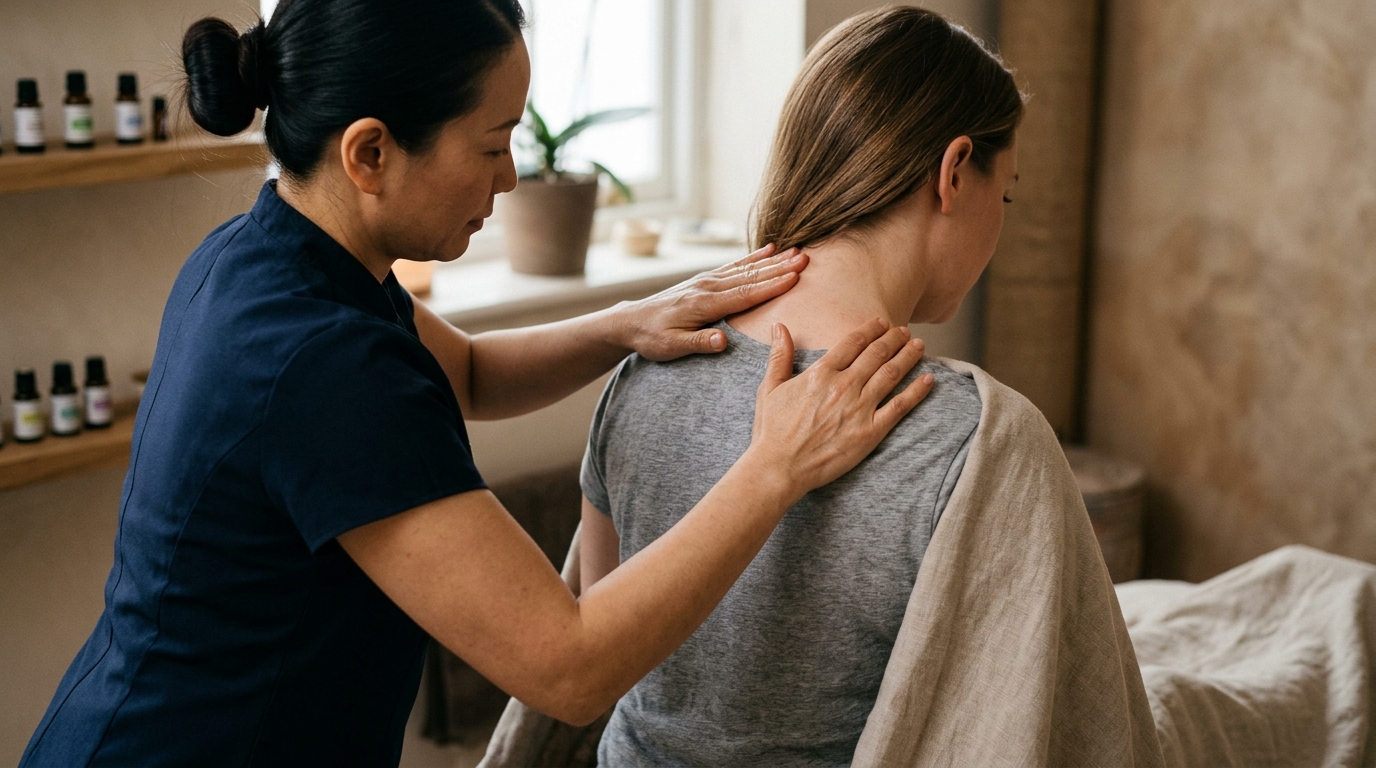
That heavy, swollen feeling in your legs after a long flight, the puffiness under your eyes each morning, the low-grade sluggishness no amount of coffee seems to fix—these are signals your body’s drainage system may need support. Understanding lymphatic drainage massage benefits can explain why this gentle, rhythmic technique has become a wellness staple, from easing fluid retention to calming an overworked nervous system. Lymphatic drainage itself is a clinical, hands-on technique performed by trained therapists, and Anmowell does not offer it. This guide walks through how the practice works, what the science actually backs up, and where Anmowell’s Wave Table Therapy, Sonic Table Therapy, and Handheld Massage fit in as a different kind of circulation-focused option for 2026.
Lymph fluid travels through a network of thin vessels running alongside your blood vessels. It carries away waste, toxins, and excess protein that leak out of tiny blood capillaries into surrounding tissue. Without this cleanup, tissues would swell and cells would sit in their own waste.
The lymphatic system also works as a transport line for white blood cells. These cells patrol the body, hunting bacteria, viruses, and damaged cells. As lymph fluid passes through small filtering stations called lymph nodes, harmful particles get trapped and destroyed before the fluid returns to the bloodstream.
When lymph flow slows, fluid tends to pool in soft tissue. This often shows up as puffiness around the ankles, hands, or face, especially by the end of the day. Many people notice a heavy, tired feeling in their legs, too.
Other clues people mention include bloating and tight-feeling skin. Frequent colds have many causes and are worth raising with a doctor rather than blaming on lymph flow. Some notice rings or shoes fitting tighter with no change in weight. These signs don’t always point to a medical problem, but they’re worth watching, and a persistent pattern is worth a conversation with your doctor.
Unlike blood, lymph fluid has no central pump like the heart. It depends on muscle contractions, deep breathing, and body movement to push it along. Long stretches of sitting or inactivity can slow this process considerably.
That’s a separate mechanism from what whole-body vibration does. Vibration from a table encourages blood circulation and muscle activity, which is a different pathway than the manual strokes a lymphatic therapist uses to physically guide lymph fluid toward nodes. A wave and sonic massage therapy guide explains this circulation mechanism in more detail. Local wellness seekers researching a best massage spa fort lee nj often ask about this exact distinction during consultations.
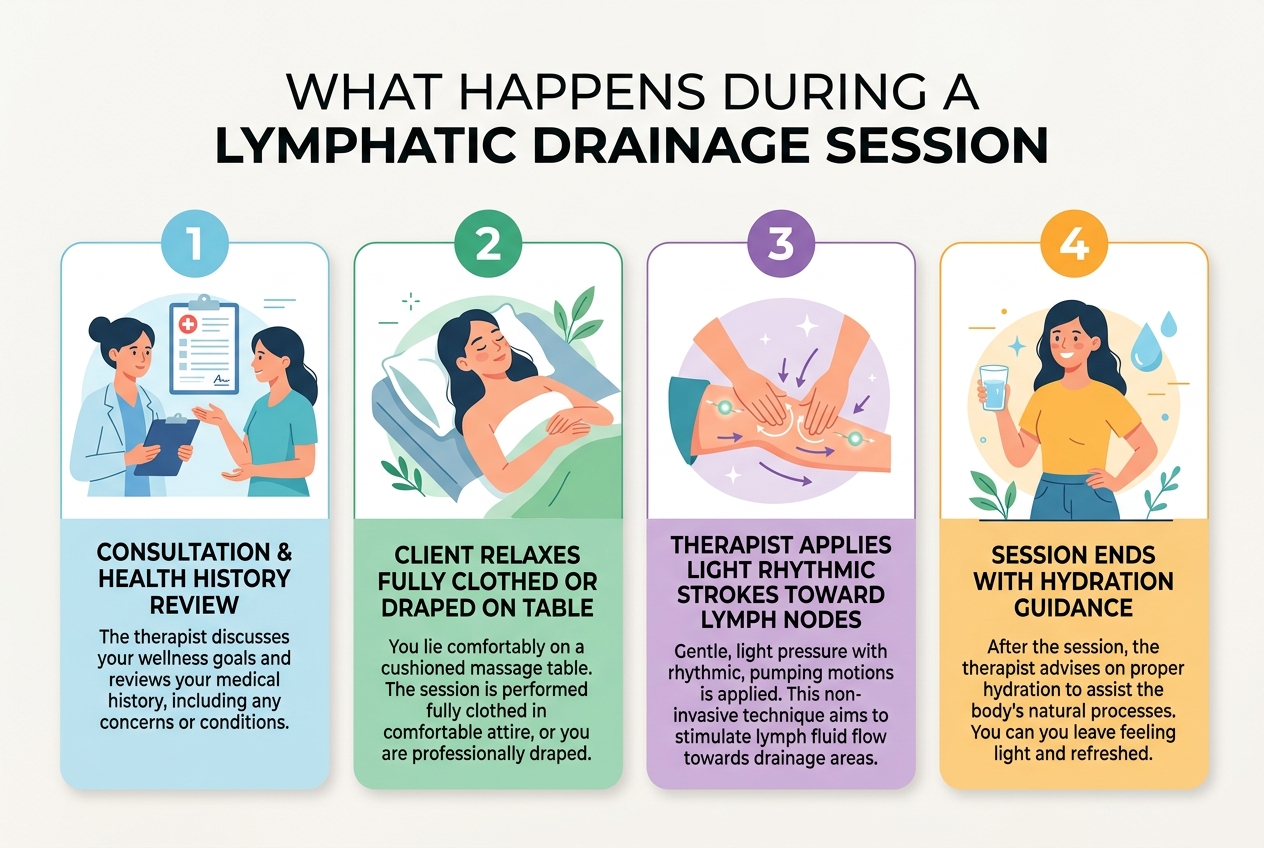
Manual lymphatic drainage (MLD) relies entirely on trained hands. A therapist uses light, rhythmic strokes to guide fluid toward the lymph nodes, following specific anatomical pathways. The pressure is soft, almost like a whisper on the skin. That’s a far cry from deep tissue or sports massage, which target muscle knots with firm force, and it’s also a different goal than what a vibration table is built for.
Anmowell does not perform lymphatic drainage massage, MLD, or any hands-on technique that claims to move lymph fluid along specific nodes. What Anmowell offers instead is Wave Table Therapy and Sonic Table Therapy, which use inclined rhythmic motion and gentle vibration to support general circulation, plus a closing Handheld Massage on the back and shoulders. These are a genuinely different category: they support blood flow and muscle relaxation, not the targeted lymph-node routing that defines MLD.
Anyone specifically seeking lymphatic drainage for a medical reason, such as lymphedema management or post-surgical swelling, should look for a certified MLD therapist. As explained in this overview of Lymphatic Drainage Massage: What It Is & Benefits, the technique is a specific clinical skill, gentle by design but requiring real training to perform correctly.
The core principle of MLD is rhythm, not pressure. Strokes follow the natural direction of lymph flow, usually toward the collarbone. Speed and pattern matter more than strength. A session might use slow circular motions near lymph nodes, then longer sweeping strokes down the limbs.
Consistency matters for MLD too, and one short session rarely creates lasting change. Many providers recommend a series of visits, much like people schedule regular sessions for massage for better sleep or stress relief.
Certified massage therapists commonly perform manual lymphatic drainage. Some nurses and physical therapists train in it too, especially for post-surgical care. This is specialized, clinician-adjacent training, not a technique built into a wave or sonic table.
Wellness spas, recovery clinics, and medical offices all may provide MLD. The setting usually depends on whether the goal is relaxation or medical recovery support. Anmowell’s role sits in a different lane entirely: a Fort Lee studio offering Wave Table Therapy, Sonic Table Therapy, and Handheld Massage as a circulation- and relaxation-focused alternative for guests who are not seeking clinical lymph work.
The benefits most associated with true lymphatic drainage massage center on fluid movement and swelling reduction, guided by a trained therapist’s hands. Vibration-based sessions work on a related but distinct system: circulation.
Sonic Table Therapy uses gentle vibration from the feet upward, without pressure, as described more broadly in whole body vibration therapy benefits. It should not be confused with, or marketed as, a lymph-draining treatment.
The nervous system responds to both types of therapy. Slow, rhythmic motion, whether from a therapist’s hands or a table’s vibration, can feel calming, even without hands-on massage.
Recovery after surgery or cosmetic procedures often brings swelling, tightness, and slow healing. According to Lymph Drainage Massage: Benefits and Risks, manual lymphatic drainage performed by a trained professional may reduce fluid buildup and support comfort during this window, which is why it’s commonly built into standard aftercare plans by surgeons and licensed therapists. Anmowell is not a provider of post-surgical lymphatic care and does not position its tables as part of a recovery protocol; anyone recovering from a recent procedure should follow their surgeon’s guidance and, when cleared, work with a trained MLD therapist.
A trained MLD therapist starts with light pressure on the neck and collarbone area. This opens the main drainage points before work begins elsewhere. From there, hands move in slow, circular motions toward the nearest lymph nodes, following the body’s natural pathways instead of pushing against them.
Unlike a deep-tissue rubdown, this method uses gentle rhythmic strokes. The pressure feels closer to a light stretch of the skin than a squeeze of the muscle. Sessions typically run 30-60 minutes, moving section by section from limbs toward the torso. This is a distinct clinical skill; readers looking for orthopedic-adjacent bodywork for injury or swelling can read more in this piece on orthopedic massage, which is likewise a service performed by clinicians rather than something offered at Anmowell.
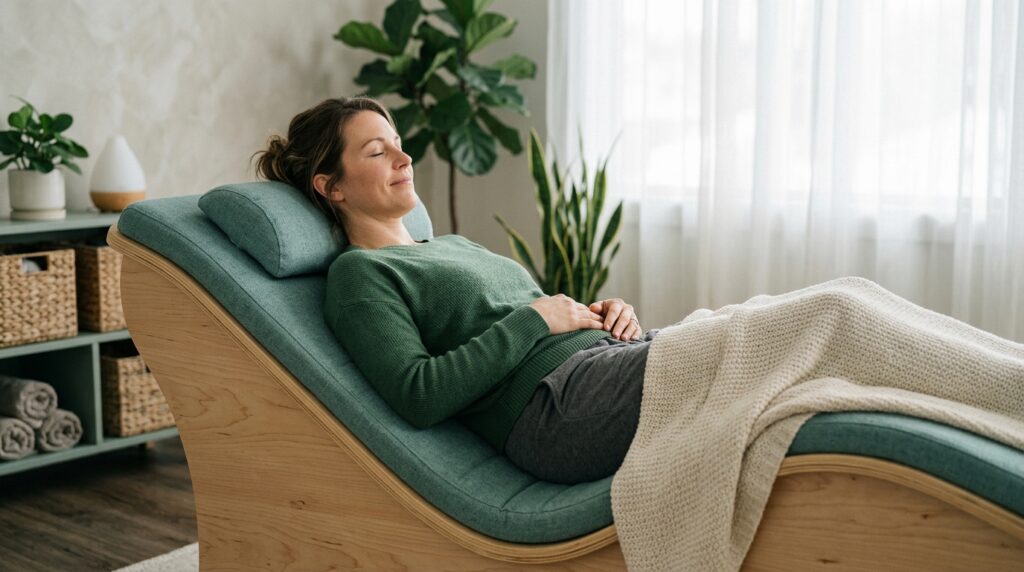
At Anmowell, there are no hands involved in the primary stages of a session. Wave Table Therapy starts flat and rises to a 15 and then 30 degree incline, moving in a steady rhythm. Sonic Table Therapy adds vibration, pulsing at set frequencies designed to stimulate circulation and muscle relaxation across the whole body.
These tables offer steady, programmed pressure from start to finish, which some guests find more predictable than hands-on work. Handheld Massage is used as the closing stage on the back and shoulders to round out the session with a personal touch, but this stage is skipped for guests who cannot use the tables in the first place, since it is not offered as a standalone service.
During a Wave or Sonic Table session, most people feel light pressure, warmth, and a sense of calm. Many describe it as more soothing than sore, with no bruising or discomfort afterward.
Afterward, guests often feel looser and more relaxed, which is relaxation rather than manual lymph drainage. Some feel mildly tired, similar to post-exercise fatigue. For a broader look at claims surrounding lymphatic therapy specifically, this article separating fact from fiction offers useful context on what MLD can and cannot do.
These are two different tools for two different goals. The table below breaks down four key factors side by side, comparing hands-on MLD (performed elsewhere by trained therapists) with the Wave and Sonic Table sessions offered at Anmowell.
| Factor | Manual Lymphatic Drainage | Wave/Sonic Table Therapy |
|---|---|---|
| Average session length | 60-90 minutes | 45 minutes |
| Pressure consistency | Varies by therapist | Fixed, programmed settings |
| Skill dependency | High (clinical training required) | Low (guest stays passive) |
| Physical contact required | Yes, hands-on throughout | Minimal, limited to closing Handheld stage |
MLD sessions often run longer because a therapist works each limb by hand, tracing specific lymphatic pathways. Wave and Sonic Table Therapy sessions at Anmowell typically wrap in 45 minutes, fitting easily into a lunch break or busy afternoon, in the same way a chair massage might for someone with limited time, minus the hands-on element.
Manual lymphatic drainage depends heavily on therapist skill, training, and even fatigue that day. Pressure can shift session to session. Sonic and wave tables deliver the same calibrated stimulation every time, which appeals to clients searching for vibration therapy near me fort lee options with predictable, repeatable results.
Clients specifically managing lymphedema or needing post-surgical fluid drainage should work with a certified MLD therapist; that is not something Anmowell provides. Guests wanting a general, no-disrobing circulation and relaxation reset, without a clinical goal, are the better fit for wave-based tables. Cleveland Clinic’s overview of lymphatic massage benefits is a useful starting point for understanding which category applies to your situation.
People seek lymphatic support for very different reasons. Some are managing lymphedema or chronic swelling tied to a medical condition, which calls for a trained MLD therapist and often a physician’s ongoing input. Others simply want to feel lighter after a long week, with no diagnosis driving the visit.
Those recovering from cosmetic surgery, such as liposuction, often use MLD performed by a licensed professional to reduce post-surgical swelling and support healing, always following the surgeon’s specific guidance. Anmowell does not offer this kind of post-surgical lymphatic care. For a clearer picture of what a Wave and Sonic Table session (unrelated to post-op recovery protocols) involves, many providers offer a first visit what to expect guide before booking.
On the wellness side, generally healthy adults use Anmowell’s wave and sonic tables purely to relax and reset. There’s no injury or diagnosis driving the visit, just a desire to feel calmer.
Athletes carry heavy physical loads. Repeated training causes fluid buildup, muscle tightness, and soreness. Many turn to sports massage from a trained therapist for targeted recovery work. Anmowell does not offer sports massage, but a full Wave and Sonic Table session can serve as a between-training recovery option, helping active bodies relax on rest days.
Runners, cyclists, and weekend warriors sometimes book a session to relax between harder training blocks. It isn’t a replacement for recovery basics like sleep, hydration, or a sports massage therapist’s targeted work.
Sedentary jobs and frequent air travel both slow circulation. Sitting for hours can leave ankles and feet feeling puffy by evening. Anmowell’s tables are a relaxation session, not a treatment for swelling.
Frequent flyers often notice swelling after long flights. The CDC notes that travel of more than four hours can raise the risk of blood clots, so leg swelling after a trip, especially with pain, warmth, or redness, is a reason to call a doctor, not to book a table session.
Beyond physical complaints, many clients simply want stress relief. The FAQs About Lymphatic Drainage Massage from health experts confirm relaxation is a well-documented benefit of manual lymphatic work; Anmowell’s tables offer a comparable relaxation effect through an entirely different, non-manual mechanism.
Both manual lymphatic drainage and vibration-based therapy carry real contraindications. For Anmowell specifically, Sonic Table Therapy is not appropriate for guests who are pregnant or trying to conceive; who have a pacemaker, defibrillator, or other implanted electronic device; who have a known blood clot, deep vein thrombosis, or a clotting disorder; who have had surgery, a fracture, or a joint replacement in the last six months; or who have severe osteoporosis, an acute hernia, retinal detachment, epilepsy or a seizure disorder, an active cancer diagnosis, uncontrolled heart disease, or acute inflammation.
Wave Table Therapy is not appropriate for guests who are pregnant; who have uncontrolled high blood pressure, glaucoma or other raised eye pressure, heart disease, or a history of stroke; who have had spinal surgery, a spinal fracture, or a disc injury in the last twelve months; or who have spinal instability, severe osteoporosis, an acute hernia, or vertigo and balance disorders.
Anmowell does not give medical advice. Any guest with any medical condition, recent injury, or ongoing treatment should check with their doctor before booking either table.
Lymphatic drainage massage is not a direct weight-loss solution, despite what some marketing suggests, and neither is vibration therapy. Neither breaks down fat. Manual lymphatic drainage works with fluid movement, and Anmowell’s tables do not reduce swelling at all. As explained in Cleveland Clinic’s overview, results center on fluid balance, not body composition changes.
The lymphatic system sits close to the skin’s surface, which is one reason MLD uses such light pressure. Anmowell’s tables work on a different principle, but the same caution applies: gentle, programmed sessions are not appropriate for every guest, and anyone on the contraindication lists above should not book the table it applies to. A massage self care routine between visits should still be built around what your doctor has cleared.
Many guests feel more relaxed right after a single Wave and Sonic Table session. The tables do not drain lymph or reduce swelling, so no change in puffiness should be expected from them.
That said, one session is a starting point, not a finish line. Some people also feel calmer and less tense afterward, similar to the relaxation reported with massage for stress relief. Sleep may improve that night, and mild fatigue can appear the next day as the body adjusts.
Anmowell makes no claim about a best schedule for its tables; how often to book is each guest’s choice.
Muscle tension can build back up between visits.
Individual circulatory health matters. Hydration, activity level, diet, and prior surgery or injury all affect how quickly someone notices change.
Age, medication use, and stress levels also play a role. Patience and consistency remain the most reliable path to results, whether the method is manual lymphatic drainage or a wave and sonic table.
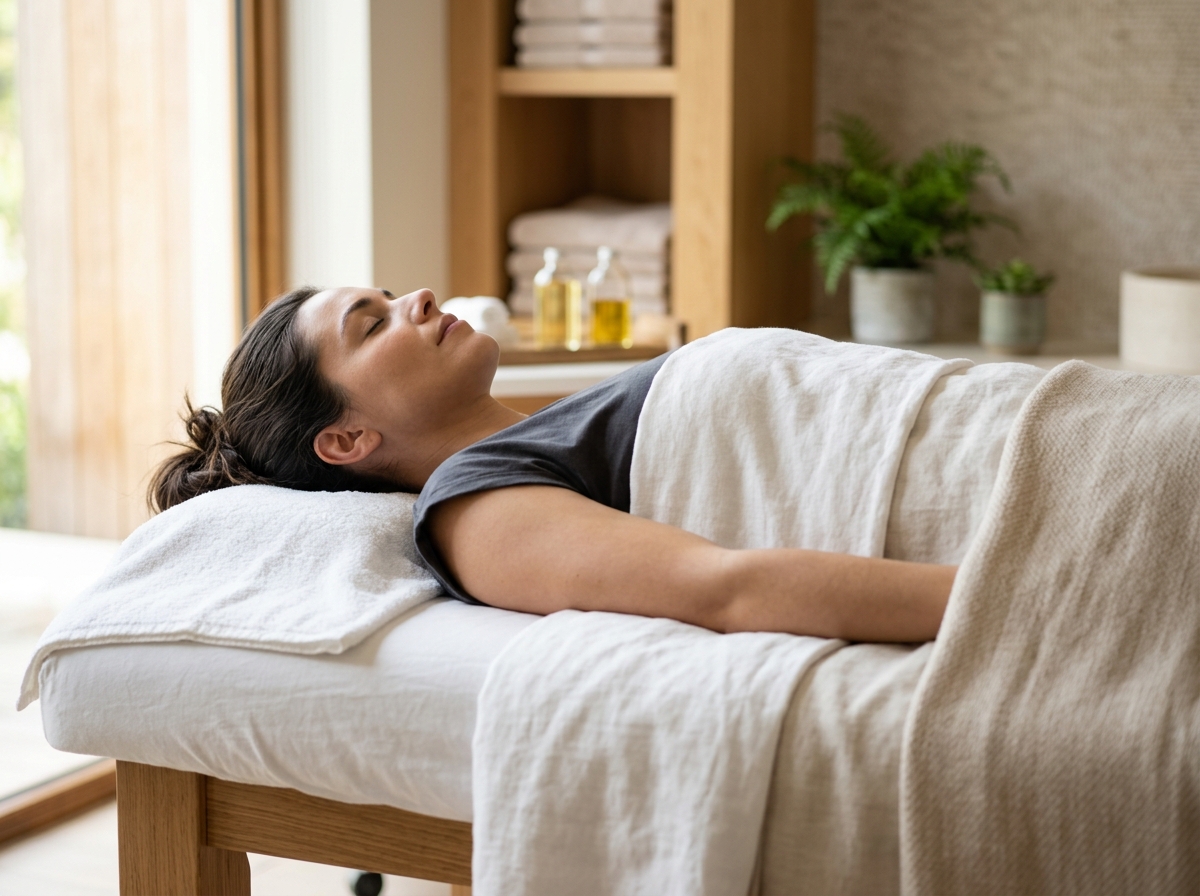
Simple self-massage can support lymph flow between visits to a trained MLD therapist. Start at the collarbone. Use light circular motions with your fingertips for about 30 seconds. This clears space for fluid to drain properly.
Move down to the neck, then the armpits, using gentle upward strokes toward the collarbone. Pressure should feel like stroking a cat, not kneading dough. Spend two to three minutes on each area, working from the center of the body outward. Legs benefit from long strokes starting at the ankle and moving toward the knee, repeated 10 to 15 times daily.
Dry brushing before a shower helps too. Use a natural bristle brush and sweep toward the heart in long strokes. Many people do this three to four times weekly for noticeable skin and circulation benefits.
Hydration matters just as much. Drinking enough water through the day is a sensible habit. Walking, stretching, and deep breathing exercises also encourage circulation, since muscle movement helps push lymph through its vessels naturally.
Home methods offer real value for lymph flow specifically, but true manual lymphatic drainage still requires a trained therapist’s hands, something self-massage can only approximate. Wave Table Therapy and Sonic Table Therapy work on a related but separate track: they use calibrated rolling motion and vibration to support general circulation and muscle relaxation, not targeted lymph-node routing.
For guests who want that circulation-and-relaxation piece alongside their home lymph-care habits, many people search for massage wellness near you bergen county to find a table-based session nearby. A trained MLD provider remains the right choice for anyone whose goal is specifically clinical lymph drainage.
Different lymphatic and circulation support methods demand different amounts of time and energy. Some require daily discipline. Others fit into a single weekly appointment. The table below compares four common options side by side. Only Anmowell’s price is listed, since other prices vary by provider.
| Method | Typical Time | Effort Level | Approx. Cost |
|---|---|---|---|
| Manual lymphatic drainage | 30-60 min/session | High (certified therapist needed) | Varies by provider |
| Compression garments | Worn 6-8+ hrs daily | Moderate (daily habit) | Varies by garment |
| Dry brushing | 5-10 min daily | Low-moderate (self-taught) | Cost of a brush |
| Wave/Sonic Table Therapy | 45 min/session | Low (guest stays passive) | $60/session at Anmowell ($38 first visit) |
Manual lymphatic drainage, performed by a certified therapist, is the method most directly associated with measurable swelling reduction, since it physically routes fluid toward the nodes. Compression garments work steadily but need consistent daily wear. Dry brushing offers mild stimulation, best paired with other methods. Wave and Sonic Table Therapy use rolling motion and vibration to encourage circulation without physical pressure, which suits guests looking for a passive, no-hands-on session rather than a lymph-specific treatment.
Guests managing a diagnosed lymphatic condition need a certified MLD therapist, not a wellness table. Busy professionals looking for a general reset often prefer Anmowell’s technology-assisted sessions, since they require no homework between visits and no disrobing. People managing chronic muscle tension might combine sessions with reading on massage for neck and shoulder pain. Athletes often value the convenience of a single 45-minute session, including 10 minutes on the Sonic Table, over daily maintenance routines, understanding it as circulation support rather than sports massage or MLD.
Before booking a manual lymphatic drainage session, ask how the provider was trained. A qualified MLD provider should explain their certification and years of practice clearly. Ask what techniques they use, and how many sessions most clients need to feel a difference.
It also helps to ask about hygiene standards, session length, and what conditions might make the therapy unsuitable for you. A reputable provider will answer these questions without hesitation. If considering a wave or sonic table session instead, the same due-diligence applies: ask about contraindications, session structure, and staff experience. You can often learn more by reading a studio’s about us page, which usually outlines staff experience and treatment philosophy.
Anmowell structures its sessions around three stages rather than a single generic routine, and none of them involve manual lymphatic drainage. This starts with Wave Table Therapy, which uses gentle rolling motion along an inclined table to warm tissue and support circulation. The second stage is Sonic Table Therapy, using vibration to encourage deeper muscle relaxation and blood flow.
A final stage, Handheld Massage, targets remaining tension in the back and shoulders. This layered structure typically fits within a 45-minute window. Understanding this sequence helps you know what to expect, and makes clear this is a circulation-and-relaxation offering, not a substitute for clinical lymphatic drainage.
Simple preparation improves comfort. Drink water beforehand, wear loose clothing, and avoid heavy meals right before your appointment.
Set realistic expectations, too. Most guests feel calmer afterward, not dramatically transformed, and any results from manual lymphatic drainage build gradually with a clinician.
Most people feel calmer after a session, manual or table-based. But some symptoms need medical attention, not more massage of any kind. Persistent swelling that doesn’t improve after several days is one clear signal. Pay attention to your body and don’t ignore changes that seem unusual.
Any of these deserve a prompt call to your doctor, not a wait-and-see approach, and not a booking with any massage provider, hands-on or table-based.
Certain pre-existing conditions need a doctor’s input before manual lymphatic drainage, and some rule out Anmowell’s tables entirely: a known blood clot or deep vein thrombosis rules out the Sonic Table, and heart disease rules out the Wave Table. Heart failure, kidney disease, and untreated infections can all be affected by shifts in fluid movement and circulation. A quick conversation with your physician helps confirm which therapy, if any, is appropriate for your situation. Guests recovering from childbirth should also ask their doctor before booking a table session; the early postpartum period carries the same caution as pregnancy for Anmowell’s tables, and this is a question for your doctor rather than a recovery plan Anmowell designs around.
Think of any lymphatic or circulation therapy as one piece of a larger wellness plan, alongside sleep, hydration, and movement that supports massage for better circulation. Share your health history with any provider before your first visit, whether that’s a certified MLD therapist or a Wave and Sonic Table studio, and keep your doctor updated on how your body responds over time.
Most people pursuing manual lymphatic drainage start with one session per week for four to six weeks, working with a certified therapist. This builds momentum and gives the lymphatic system a steady rhythm to respond to. After that, many clients shift to a maintenance schedule of once or twice a month.
Frequency depends on your goal. Swelling after travel is a question for a doctor, not a reason to book a table session. Someone recovering from surgery or dealing with chronic swelling may need closer MLD spacing, guided by a provider and their physician. People also pair general circulation sessions with other targeted reading, such as massage for sciatica, when nerve pain and swelling overlap, though Anmowell does not treat either condition directly. A 45-minute session fits easily into a lunch break or weekend errand run, which makes consistency realistic for the wellness-focused visitor.
No. Manual lymphatic drainage is a gentle, low-pressure therapy, not deep tissue work, and Anmowell’s tables follow a similarly gentle philosophy through a different mechanism. Wave Table Therapy and Sonic Table Therapy use rhythmic motion and gentle vibration, well below the intensity of a sports massage. Most guests describe the feeling as soothing, almost like a slow rocking motion.
Some people undergoing MLD notice mild tenderness near lymph nodes if swelling is present, but this fades quickly. Handheld Massage at Anmowell follows a similarly gentle logic on the back and shoulders as the session’s closing stage, and it is skipped entirely over any open wound, rash, bruise, recent injury, or area with a known blood clot. If anything feels sharp or painful during any session, that is a signal to speak up, not a normal part of the process.
The word “detox” gets overused. The lymphatic system does help filter waste and support immune function, and manual lymphatic drainage supports that system directly, but no single session flushes toxins overnight. Results build gradually through better fluid movement and reduced puffiness.
Lymphatic drainage massage also does not directly cause weight loss, and neither does vibration therapy. Any change on the scale after a session usually reflects water shift, not fat loss. The realistic benefit of manual lymphatic drainage is fluid comfort under a trained therapist, and the realistic benefit of Anmowell’s tables is relaxation.
Ultimately, the right choice comes down to what your body needs and what your doctor advises. Anmowell’s tables are not for anyone on the contraindication lists above, including anyone who is pregnant or trying to conceive, and anyone in the early postpartum weeks, managing a medical condition, or recovering from a recent injury should talk to their doctor first. For clinical lymph work, or hands-on approaches like deep tissue and sports recovery massage, a trained therapist remains the right path. Anmowell’s Wave Table Therapy, Sonic Table Therapy, and Handheld Massage serve a different, passive, no-disrobing relaxation and circulation goal, and are not a substitute for manual lymphatic drainage. Weighing that distinction honestly, rather than assuming one approach covers every need, is the most useful step before booking anything.
Temporary closure
The studio is closed while our team is away. You are welcome to book ahead for after we reopen.
Thank you for your patience. See you soon.