This guide explains lymphatic drainage massage therapy, who benefits, what sessions involve, and how Sonic and Wave Table Therapy compare to manual techniques.





Persistent puffiness, heavy limbs, and skin that never quite feels de-bloated are more than cosmetic annoyances. They’re often signs that your lymphatic system needs support diet and exercise alone can’t give it. Lymphatic drainage massage therapy is a clinical, hands-on technique performed by trained manual lymphatic drainage therapists, and it has moved from a niche post-surgical recovery tool to a mainstream wellness practice. Anmowell doesn’t perform lymphatic drainage massage, but this 2026 guide breaks down the science, the process, and the realistic timeline for results, so you can decide whether this therapy belongs in your routine, and where Anmowell’s Wave Table Therapy, Sonic Table Therapy, and Handheld Massage fit as a relaxation-focused alternative, even though they do not drain lymph or reduce puffiness.
The lymphatic system is a network of vessels, nodes, and organs spread throughout the body. It carries a clear fluid called lymph, which collects excess fluid, proteins, and waste from tissues. This network has no central pump like the heart. Instead, it relies on muscle movement, breathing, and manual technique to keep fluid flowing.
This system plays two major roles. First, it maintains fluid balance by returning excess fluid from tissues back into the bloodstream. Second, it supports immunity. Lymph nodes filter out bacteria, viruses, and abnormal cells before fluid re-enters circulation. When flow slows down, fluid can build up, leading to puffiness or a heavy feeling in the limbs.
Understanding this system explains why the specific, hand-guided sequencing used in manual lymphatic drainage matters so much. It’s not about force. A trained therapist follows the direction of lymph flow toward specific nodes, coaxing a slow-moving system into working more efficiently.
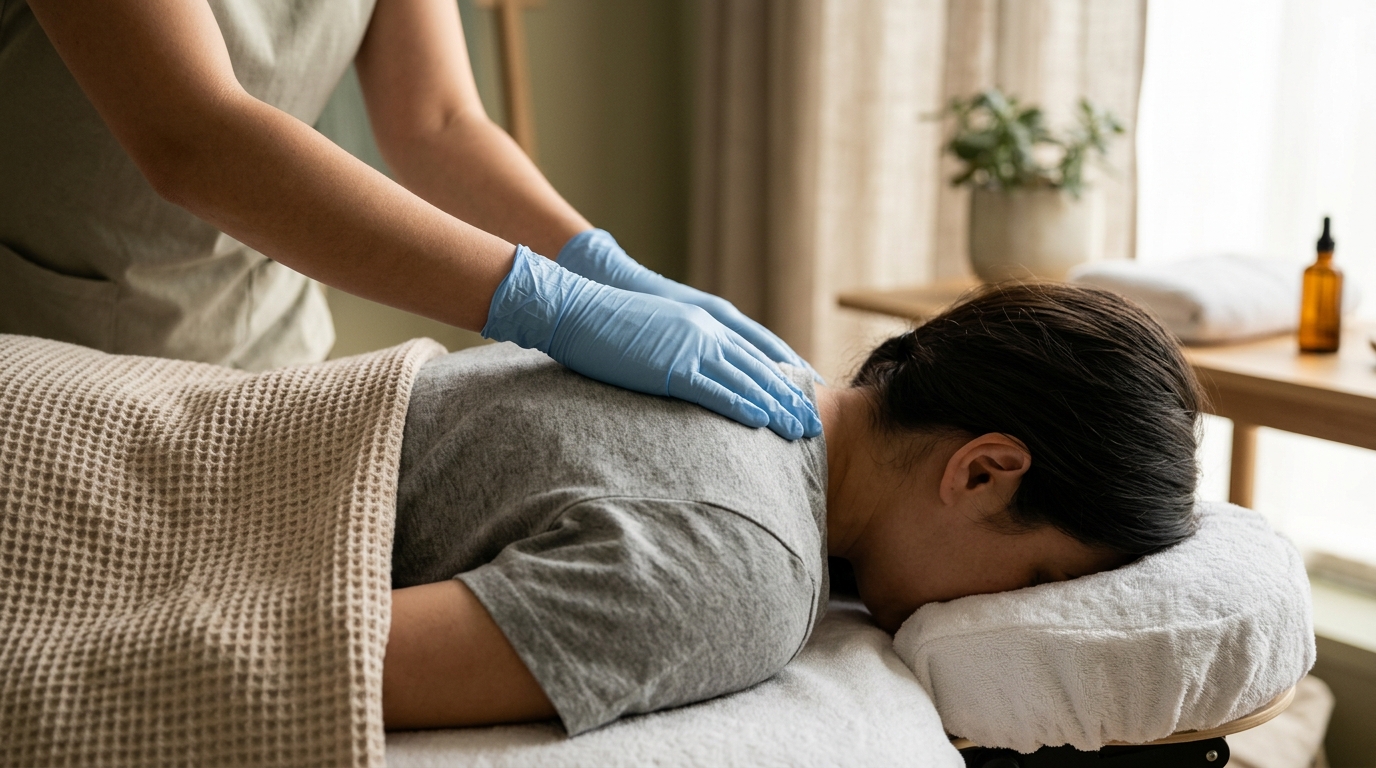
Manual lymphatic drainage uses light, hand-guided strokes that follow the anatomical path of lymph vessels toward drainage points. It’s a skill-dependent technique, performed by therapists trained specifically in lymphatic anatomy, and it’s the only approach that can claim to move lymph fluid directly.
Anmowell doesn’t offer that hands-on technique. What Anmowell does offer is Wave Table Therapy and Sonic Table Therapy, which use mechanical wave motion and sound-based vibration to stimulate circulation, plus a closing Handheld Massage on the back and shoulders. These tools support blood flow and general relaxation; they are not a substitute for what a trained lymphatic therapist does with manual technique. For a deeper technical breakdown of how wave and sonic tools work, this wave and sonic massage therapy guide explains the mechanics behind the tables.
A common myth is that any vibration or massage “flushes toxins” from the body in one session. In reality, the liver and kidneys handle detoxification, and even true manual lymphatic drainage simply supports fluid movement and comfort, not chemical detox.
Another myth: any full-body wave or vibration session is the same as clinical lymphatic drainage. Fact: they work through different mechanisms entirely, and vibration should never be described as draining lymph. Readers researching local wellness options can compare service standards through resources like this best massage spa fort lee nj overview, which lays out realistic, evidence-based expectations for what wave and sonic tables can and can’t do.
A sluggish lymphatic system often shows up in small, everyday ways. Puffy ankles by evening, rings that suddenly feel tight, or heavy legs can all signal fluid buildup. Frequent bloating, low energy, and dull-looking skin may also point to poor circulation of lymph fluid.
Other clues include swelling after long flights, slow healing from minor bruises, or tightness in the neck and underarms. These signs need a doctor first. Swelling after a long flight, especially in one leg or with pain, warmth, or redness, can be a sign of a blood clot, and a suspected clot is a matter for a doctor only, not for a massage or lymphatic drainage therapist.
If these symptoms sound familiar, that doctor visit comes before any bodywork. Anmowell’s tables won’t drain lymph and are not a treatment for swelling.
Manual lymphatic drainage is frequently used alongside medical care for lymphedema, a chronic swelling condition linked to lymph node removal or damage. It doesn’t replace prescribed compression garments or physical therapy, but many providers use it as a supportive addition to an existing treatment plan, always with a doctor’s guidance. Anmowell does not treat lymphedema and does not offer manual lymphatic drainage; guests managing this condition should work with a clinician or certified lymphedema therapist.
Post-surgical clients, especially after cosmetic procedures or lymph node surgery, often seek manual lymphatic drainage specifically because of its clinical technique. That is a decision to make with a surgeon or licensed MLD therapist, not at Anmowell. Guests simply managing everyday fluid retention from prolonged sitting or minor circulatory sluggishness, with no recent surgery or medical restriction, may explore whole body vibration therapy benefits to understand what gentle mechanical stimulation can add to a routine.
Athletes often carry muscle tightness and mild inflammation from training. This falls into the territory of sports massage, a hands-on, recovery-focused technique Anmowell does not offer. Where Anmowell fits in is as a between-training recovery option: sessions using Wave Table Therapy or Sonic Table Therapy can ease general muscle tension and support circulation without replacing a sports massage therapist’s targeted work. Some also explore vibration massage back pain relief for tight lower backs after heavy lifting or long runs.
Weekend runners, cyclists, and gym regulars may notice general relaxation between workouts. The Handheld Massage stage can bring focused attention to tight back and shoulder muscles, complementing the full Wave and Sonic session for active guests, though it is not a stand-alone service and is only offered as the closing stage of a full session.
Every visit starts with a short consultation. A trained provider asks about your health history, current medications, and goals for the session. This is the time to mention swelling, recent surgery, or tender areas, and it’s also the moment to say if you are pregnant, trying to conceive, have an implanted electronic device, a clotting disorder, or have had recent surgery or a joint replacement. For a clear overview of what clinical lymphatic drainage care involves, many people review Lymphatic Drainage Massage: What It Is & Benefits before booking that specific service elsewhere.
At Anmowell, preparation is simple. Guests stay in their own clothes for the tables, so wear something comfortable. Staff explain the equipment, so nothing feels unfamiliar once the session begins. Hydration matters, so drinking water before and after your appointment is usually recommended.
If you have joint pain or a past injury, your consultation may also touch on how Wave and Sonic Table sessions compare to clinician-led orthopedic massage care, helping you understand which setting fits your needs — and when a clinician, not a wellness table, is the right call.
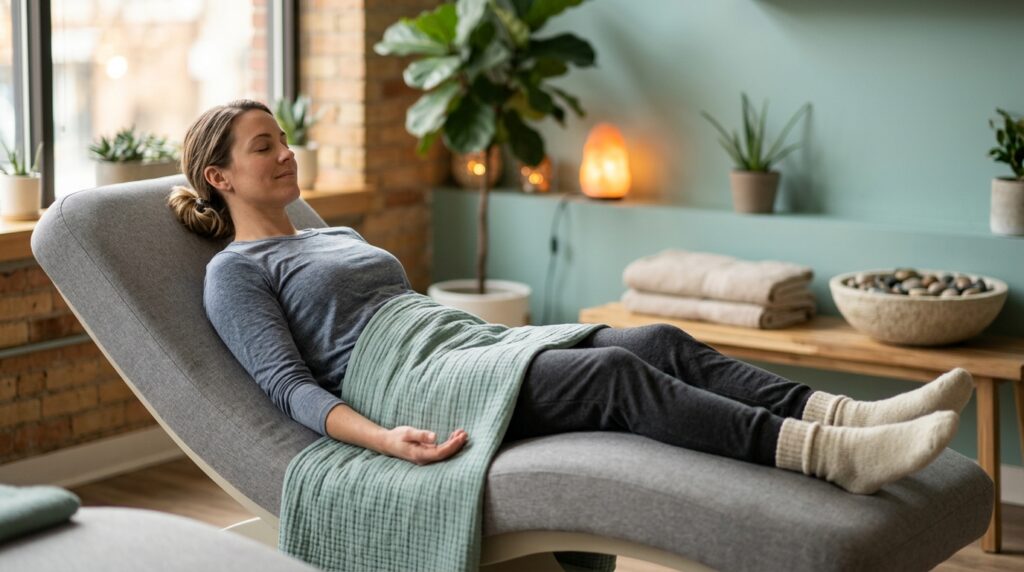
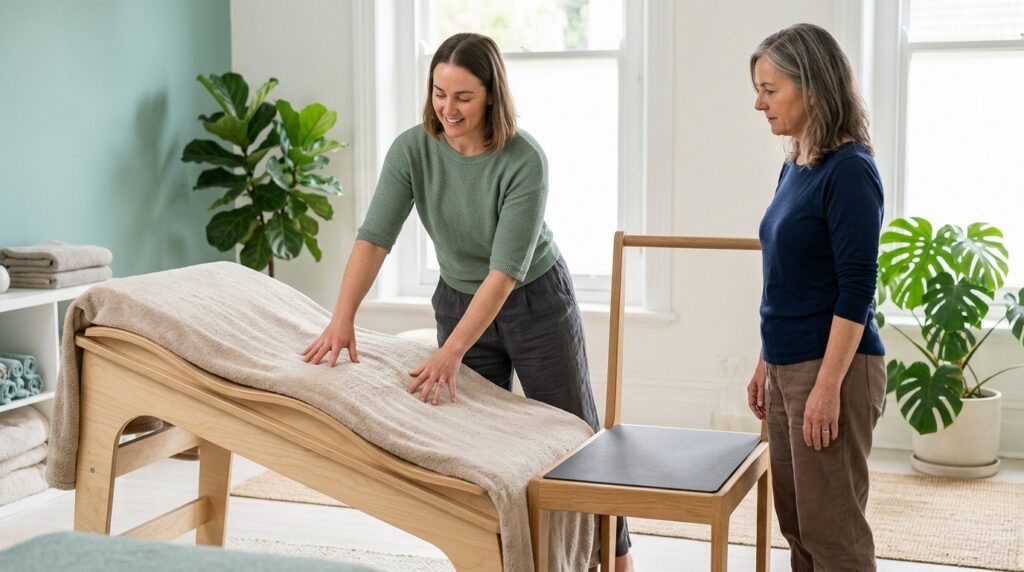
An Anmowell session moves through three distinct stages, and none of them are manual lymphatic drainage. First, Wave Table Therapy uses slow, rolling mechanical motion and gentle inclined traction to warm tissue and encourage circulation. The movement is passive; you lie on the table rather than receive hands-on strokes.
Next, Sonic Table Therapy introduces rhythmic, whole-body vibration. The vibration travels from the feet upward and is meant for relaxation, not lymph drainage. The rhythm stays steady, never jarring, and it is general stimulation rather than a technique aimed at any single point or vessel.
Finally, Handheld Massage addresses remaining tension in the back and shoulders with a handheld massager. This targeted stage lasts just minutes but adds a personal touch to the full-body work completed earlier. Together, these three stages typically fit within a 45-minute window, moving from broad, full-body coverage to focused, detailed attention. A single session is $60, and a first visit is $38.
During a Wave or Sonic Table session, most clients feel light pressure and steady rhythm rather than deep muscle work or targeted strokes. The sensation is often described as soothing, similar to gentle rocking. Discomfort is rare, and you can ask staff to adjust the Wave Table intensity at any time.
Afterward, many people report feeling more relaxed and looser, especially around the neck and shoulders. Mild fatigue is common, similar to the feeling after light exercise. This is a general circulation and relaxation response, not evidence of lymph fluid being cleared, which is a distinct physiological process tied specifically to manual technique.
Results build gradually. One session often brings noticeable relaxation, while a series of visits supports an ongoing sense of ease and comfort in the body.
Manual lymphatic massage uses light hand strokes to move fluid toward drainage points. A trained therapist adjusts pressure based on feel and follows a specific sequence tied to lymph node locations. Sessions often run 60 minutes or longer, and results depend heavily on the therapist’s training and touch consistency. For guided home practice between clinical visits, this resource on How to Do Self Lymphatic Massage on Your Lower Body shows the basic hand patterns therapists teach patients.
Pressotherapy uses inflatable sleeves that squeeze limbs in timed sequences. Pressure is programmable, but the sensation can feel mechanical. Sessions typically last 30 to 45 minutes and work well for legs and arms specifically. This is also a different category of equipment from anything Anmowell offers.
Wave Table Therapy and Sonic Table Therapy apply full-body vibration and mechanical wave motion. This spreads pressure evenly across the whole body rather than following a lymph-specific path. Comfort stays consistent from the first minute to the last. The table below compares these approaches directly, so the difference in purpose is clear rather than implied.
| Method | Pressure Style | Consistency | Typical Session |
|---|---|---|---|
| Manual Lymphatic Massage | Light, hand-adjusted, node-directed | Varies by therapist | 45–75 minutes |
| Pressotherapy Sleeves | Programmed, sequential | Fixed per setting | 30–45 minutes |
| Wave Table Therapy (Anmowell) | Even, full-body mechanical wave | Uniform every session | 30 minutes |
| Sonic Table Therapy (Anmowell) | Gentle whole-body vibration | Uniform every session | 10 minutes |
Anmowell’s two tables are followed by a closing Handheld Massage on the back and shoulders, but this combination is a general circulation and relaxation session, not a lymphatic drainage protocol. The session is often compared with massage for stress relief, since both aim at relaxation.
The body’s lymph system relies on movement to clear excess fluid and waste, and manual lymphatic drainage performed by a trained therapist is built specifically around that movement. According to Lymph Drainage Massage: Benefits and Risks, this type of therapy has long been used to manage fluid retention and support tissue health when performed by a qualified practitioner.
What Anmowell’s Wave Table Therapy and Sonic Table Therapy add is a different, complementary benefit: general circulation support and full-body relaxation through whole-body vibration and passive movement, which is a comparison worth understanding rather than a substitute claim.
This is where Anmowell’s tables shine on their own terms. The calming nature of a Wave and Sonic Table session matters in its own right. The rhythmic motion of the wave table and the soothing vibration of the sonic table encourage the nervous system to slow down. The 45-minute session is passive and quiet, with no hands-on pressure and no disrobing required.
Whole-body vibration has been studied for its effects on circulation, and general circulation support is the modest claim Anmowell makes. Anmowell makes no claim about facial puffiness or skin tone, and lymph drainage is a distinct, clinically defined process the tables do not perform. For those curious about the general session experience, reviewing first visit what to expect can help set realistic, accurate expectations before booking.
Manual lymphatic drainage is generally well tolerated, but certain health conditions make it risky, and a qualified MLD therapist screens for these before every session:
These are contraindications for manual lymphatic drainage specifically, and readers considering that clinical service should discuss them with a licensed MLD therapist or physician, not with a wellness provider.
Because Anmowell’s Wave Table Therapy and Sonic Table Therapy work through different mechanisms, whole-body vibration and inclined mechanical traction, they carry their own separate list of cautions, and these apply regardless of any lymphatic goal.
Anmowell does not offer Sonic Table Therapy to guests who are pregnant or trying to conceive; who have a pacemaker, defibrillator, or other implanted electronic device; who have a known blood clot, deep vein thrombosis, or a clotting disorder; who have had surgery, a fracture, or a joint replacement in the last six months; or who have severe osteoporosis, an acute hernia, retinal detachment, epilepsy or a seizure disorder, an active cancer diagnosis, uncontrolled heart disease, or acute inflammation.
Anmowell does not offer Wave Table Therapy to guests who are pregnant; who have uncontrolled high blood pressure, glaucoma or other raised eye pressure, heart disease, or a history of stroke; who have had spinal surgery, a spinal fracture, or a disc injury in the last twelve months; or who have spinal instability, severe osteoporosis, an acute hernia, or vertigo and balance disorders.
Handheld Massage is skipped over open wounds, rashes, bruises, recent injuries, and any area with a known blood clot. Guests with a bleeding disorder or on blood thinners should check with their doctor first. Anmowell does not give medical advice, and every guest with any medical condition, recent injury, or ongoing treatment should check with their doctor before booking.
Most side effects from either manual lymphatic drainage or a Wave/Sonic Table session are mild and temporary. Fatigue is common right after either type of session. Some clients notice more frequent urination for several hours. Mild thirst, light-headedness, or slight tenderness may also occur. These effects usually fade within a day.
Clients managing diabetes, lymphedema, or autoimmune disorders should take extra care and should ask their doctor which category of service, clinical MLD or general wellness vibration, actually fits their situation. Reviewing a trusted massage self care routine can help you prepare for a general wellness visit, but it isn’t a substitute for medical clearance. For medical background on true drainage techniques, see this guide on Manual lymph drainage: What to know about exercises for ….
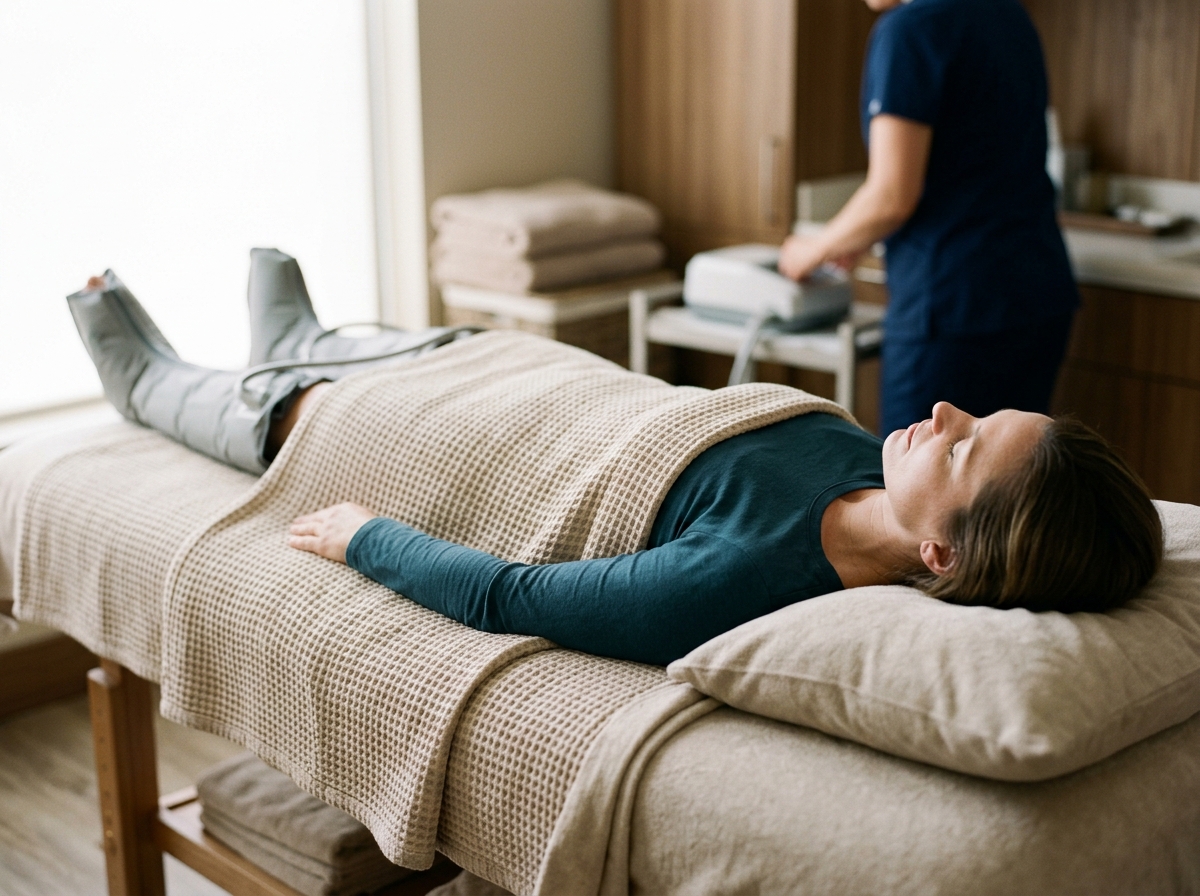
For guests choosing a Wave and Sonic Table session at Anmowell, most feel a difference within hours, though it’s a circulation and relaxation effect rather than lymphatic drainage. The Wave Table stage warms tissue and encourages passive movement through gentle mechanical traction. The Sonic Table stage then uses gentle vibration to support circulation. Right after a 45-minute session, many guests notice their body feels looser and calmer overall.
This change is tied to general circulation and nervous-system relaxation, not fluid being redirected through lymph vessels, which is the specific outcome claimed for manual lymphatic drainage. You may feel calmer, since the parasympathetic nervous system responds well to slow, rhythmic stimulation. Mild thirst is common afterward, which is why water is usually recommended.
Some notice less tightness in the neck or lower back. These shifts connect closely to massage for better circulation goals rather than lymphatic goals specifically.
A single session offers short-term relief. How often to come back is up to each guest.
Each Wave and Sonic session builds on the last in terms of general muscle relaxation and stress reduction, not by “training” lymphatic tissue, a claim that belongs to manual technique, not vibration.
Every session closes with the Handheld Massage on the back and shoulders; it is not an add-on. Anyone returning after a long period of inactivity should read the contraindication lists above first, and anyone on those lists should not book the table it applies to.
Some people like a regular appointment to keep the habit going; there is no recommended interval.
Long-term results also depend on daily habits like movement and hydration. Consistency matters more than intensity. Skipping sessions for months often means the relaxed, loose feeling fades, especially for people with sedentary jobs.
Realistic expectations matter here. Anmowell’s sessions support general circulation and relaxation; they don’t replace medical treatment for lymphedema or any diagnosed circulatory condition. With steady care, most guests maintain a lighter, more comfortable feeling day to day.
Simple self-massage, of the kind taught by lymphedema therapists, can support fluid movement between clinical MLD visits. The table below breaks down a basic five-minute routine commonly taught for home use; it is general educational information, not an Anmowell service.
| Step | Area | Technique | Duration |
|---|---|---|---|
| 1 | Neck | Light strokes downward, both sides | 1 minute |
| 2 | Underarms | Gentle circular pumps | 1 minute |
| 3 | Abdomen | Slow clockwise strokes | 1 minute |
| 4 | Legs | Upward strokes toward hips | 1.5 minutes |
| 5 | Feet | Light pressure toward ankles | 30 seconds |
Small habits add up between visits, whether those visits are with a lymphatic therapist or on Anmowell’s tables. Drink water throughout the day, since fluid supports lymph flow. Walk at least 20 minutes daily. Stretch after long stretches of sitting. Avoid tight clothing that restricts circulation. These habits keep tissue responsive between sessions.
Home self-massage has real limits, and it can’t replace what a trained MLD therapist does with hands-on, node-directed technique. Pressure and pattern matter too; incorrect technique may do little or feel uncomfortable. If your goal is general relaxation and circulation support between clinical visits, searching for vibration therapy near me fort lee can help you find Anmowell’s Wave and Sonic Table sessions as a complementary option, not a substitute for manual lymphatic drainage.
Gentle movement helps push lymph fluid through its vessels. Unlike blood, lymph has no central pump. It relies on muscle contractions to move. Low-impact exercise is often the easiest way to support this system daily.
Breathing is a powerful, often overlooked tool. Deep diaphragmatic breaths create pressure changes in the chest and abdomen. This pulls lymph fluid through the thoracic duct, the body’s largest lymph vessel. Try inhaling for four counts, holding briefly, then exhaling for six counts. Repeat for five minutes, twice daily. This practice also promotes relaxation and may support massage for better sleep when done in the evening.
Consistency matters more than intensity. Aim for light movement daily and deep breathing sessions twice a day. Pairing these habits with a clinician’s guidance on manual lymphatic drainage, or with general circulation-support sessions on Anmowell’s tables if that’s your separate goal, often produces the most noticeable, honest results.
How often to book manual lymphatic drainage depends on medical goals set with a therapist or physician. Someone managing diagnosed swelling may need weekly clinical visits. Your starting point matters just as much as your endpoint, and that assessment belongs to a qualified MLD provider.
For guests instead choosing Anmowell’s Wave and Sonic Table sessions for general relaxation and circulation, lifestyle plays a big role in frequency. Long work hours at a desk, frequent travel, or a physically demanding job can leave muscles tense.
Before your first session, staff check the contraindication lists above with you.
There is no set starting schedule; how often to book is each guest’s choice.
Bundles and the monthly unlimited membership lower the per-visit cost for anyone who books regularly.
A 45-minute Wave and Sonic session fits easily into a lunch break or a morning before work, and it’s a genuine alternative to a seated chair massage for anyone squeezing wellness time into a workday. There’s no lengthy prep, no disrobing, and no downtime afterward, so you can return to normal activities right away.
Many people pair sessions with errands or other appointments nearby, treating them as a regular part of their week. If you’re searching for massage wellness near you bergen county, look for flexible scheduling that matches your routine, not the other way around.
Most everyday swelling responds well to time and movement, but some signs need a doctor’s attention first, not a wellness session of any kind. Persistent swelling that lasts more than a few days, especially in one limb, should never be ignored. Pain that worsens instead of improving is another red flag.
Watch for redness, warmth, or skin that feels tight and shiny. These can signal infection or a blood clot, not simple fluid buildup, and they need a doctor, not bodywork of any kind. A known blood clot also rules out Anmowell’s Sonic Table, and the Handheld Massage is never done over an area with a known clot. Fever paired with swelling is an urgent sign. Sudden, unexplained swelling in the legs, arms, or abdomen also deserves prompt medical review, not a spa visit of any kind.
Lymphedema is a chronic condition caused by lymphatic system damage, often after cancer treatment, surgery, or infection. It requires a proper diagnosis from a physician or lymphedema specialist, and treatment is squarely in the domain of manual lymphatic drainage and clinical care, not wellness vibration tables. Imaging tests and physical exams help confirm the cause and severity before any treatment plan begins.
Conditions like deep vein thrombosis, kidney disease, and heart failure can also cause swelling that looks similar to lymphatic congestion. Only a qualified provider can rule these out. Self-diagnosing based on symptoms alone carries real risk, especially when swelling appears suddenly or affects breathing.
Anmowell’s Wave Table Therapy, Sonic Table Therapy, and Handheld Massage are designed to support general circulation and relaxation, not to treat diagnosed disease, and not to perform lymphatic drainage. Anmowell is never a substitute for medical care, and staff will ask any guest with a listed contraindication, or any ongoing medical condition, to check with their doctor before booking.
For guests with none of the listed contraindications, Wave and Sonic Table sessions can support day-to-day comfort and stress relief, separate from any treatment a doctor prescribes. Guests dealing with everyday tension may find massage for neck and shoulder pain approaches useful, always within a broader care plan set by a physician when a medical condition is involved.
If your goal is true lymphatic drainage, start by asking about training and certification specific to manual lymphatic drainage. This is a hands-on technique, and results depend on a therapist’s understanding of lymphatic anatomy and node-directed sequencing, something no vibration table replicates. Ask how long a therapist has trained in MLD specifically, not general massage, and confirm they can coordinate with your physician if you’re managing lymphedema or recovering from surgery.
Anmowell is not that provider. Anmowell does not offer manual lymphatic drainage, and any guest whose primary goal is clinical lymph drainage should seek a licensed MLD therapist instead.
If your goal is instead general circulation support and relaxation, ask what equipment a provider uses. Wave Table Therapy applies gentle, rhythmic mechanical motion and inclined traction, while Sonic Table Therapy uses sound-based vibration to stimulate circulation. Together, these systems offer even, repeatable stimulation across a full 45-minute session without the fatigue that can affect hands-on work late in a session. Anmowell also closes each session with a Handheld Massage on the back and shoulders.
Staff expertise still matters. Ask how long technicians have trained on the equipment, and how they screen guests against the contraindications for each table. A knowledgeable provider will also be upfront about who should see a clinician instead, including guests exploring relief for conditions like massage for sciatica, where a doctor’s input matters before choosing any bodywork approach.
A quality Wave and Sonic session should feel calm, unhurried, and clearly organized. Look for a provider who explains each of the three stages beforehand, so you know what to expect from start to finish. Rooms should feel private, warm, and quiet, without noise or interruptions.
Hygiene deserves close attention too. Check that tables, linens, and handheld tools are sanitized between every guest. Ask how equipment is cleaned and how often it’s serviced, since well-maintained machines perform more reliably and safely over time.
Before scheduling with any provider, ask simple, direct questions. Is this a hands-on clinical technique or a mechanical wave/vibration session? How long does a typical session run, and at Anmowell in 2026, what does the $60, 45-minute session include?
Also ask about contraindications for pregnancy, implanted devices, recent surgery, and cardiovascular conditions, since these differ between manual lymphatic drainage and Anmowell’s tables. Clear, confident answers signal a provider who prioritizes safety and honesty over rushed appointments.
Ultimately, the right choice comes down to what your body needs and what a doctor would sign off on, especially if you’re pregnant, trying to conceive, managing a medical condition, or recovering from a recent injury or surgery. Anmowell asks guests who are pregnant, or in the early weeks after delivery, to check with their doctor before booking, and does not offer the tables during pregnancy under any circumstance. Manual lymphatic drainage works through a clinical, hands-on process that whole-body vibration and passive traction simply don’t replicate, so it’s worth being honest about which outcome you’re actually after before booking anything. Whatever you choose, a quick conversation with your doctor and a clear-eyed look at what each option really does will save you from guessing.