Discover how vibroacoustic therapy calms the nervous system and eases tension. Explore the science and Anmowell’s wave and sonic massage tools today. Discover p






Chronic tension. Disrupted sleep. Stress that no amount of stretching or willpower seems to touch. These are the daily realities pushing people toward alternative therapies that work on the body at a deeper level. Vibroacoustic therapy offers a evidence-informed answer: low-frequency sound and vibration that calm the nervous system, ease muscular tension, and support the body’s own recovery process. This 2026 guide breaks down how vibroacoustic therapy works, what the research actually shows, and how Anmowell’s wave and sonic massage tools bring this science into everyday, accessible use.
At its core, this practice uses low-frequency sound waves to create physical vibration. Special speakers, called transducers, sit inside a table or bed. They turn sound into gentle pulses you can feel in your muscles and bones, not just hear with your ears.
This differs from listening to calming music through headphones. Passive listening only engages your hearing. This method engages touch and hearing together, sending vibration straight through the body. That physical layer is what sets it apart.
Frequencies typically run from 30 to 120 Hz, a band the body can physically sense. The goal isn’t entertainment. It’s a structured, repeatable experience built to shift the nervous system toward rest.
The concept traces back to the 1980s, when Norwegian researcher Olav Skille began studying how low-frequency vibration affected children with cerebral palsy. His early work laid the groundwork for what became a recognized therapeutic method across Europe.
Over the following decades, researchers and therapists refined the equipment and protocols. Early setups used basic speakers taped under mats. Modern versions use engineered tables with multiple transducers, precise frequency control, and layered soundtracks.
By the 2000s, the practice had moved from research clinics into broader wellness settings, backed by a growing body of small clinical studies on relaxation and pain perception.
Today, this approach sits alongside massage, meditation, and float therapy as a recognized relaxation tool. Many local businesses now offer it as a standalone session or paired with other bodywork.
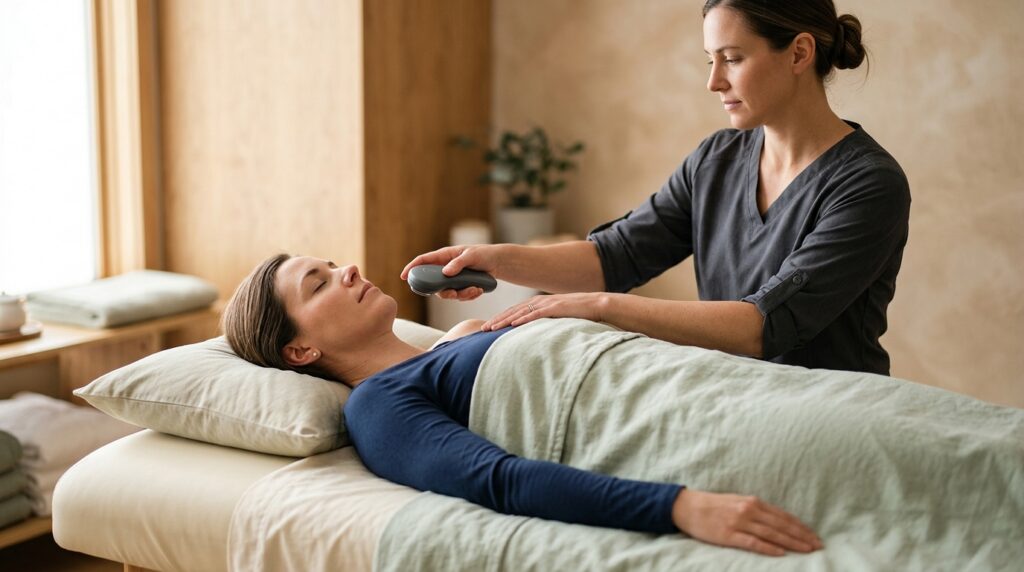
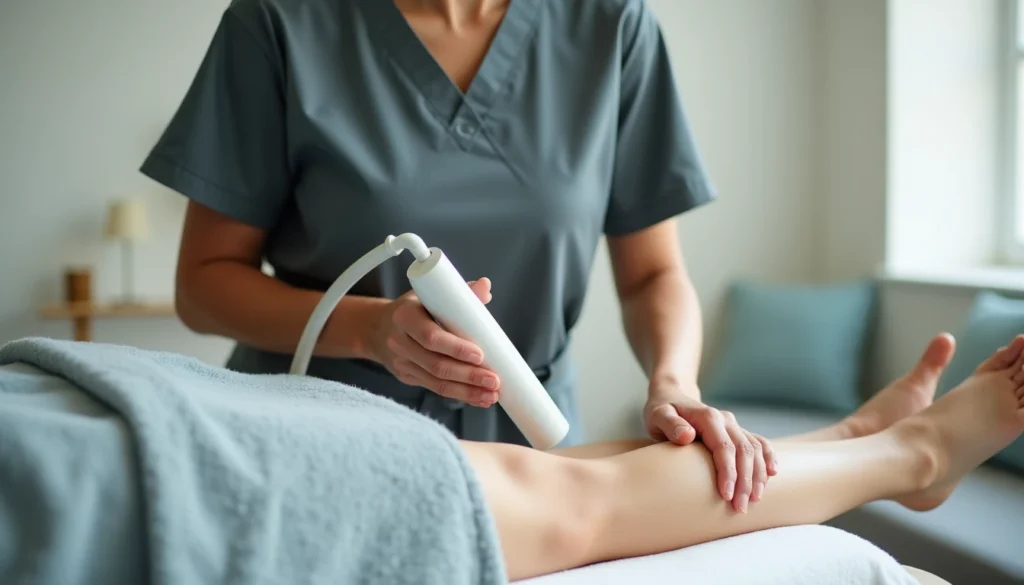
Modern setups often combine methods. Wave Table Therapy delivers deep, rhythmic vibration, while Sonic Table Therapy layers tones for a fuller sensory effect. Some sessions add Handheld Massage for targeted relief on specific areas.
For a broader look at how these tools work together, this wave and sonic massage therapy guide explains the equipment in more detail. Readers researching options nearby can also review this best massage spa fort lee nj overview for regional context.
Sound is energy. It moves through air as waves, but it also moves directly through solid objects, including the human body. Special speakers called transducers turn low-frequency sound into physical vibration. That vibration passes into a padded table or bed, then into muscle, bone, and tissue. This is mechanical vibration you can feel, not just hear.
Most programs use frequencies between 30 and 120 Hz. This range sits below normal human hearing, which is why it feels more like a gentle hum than a sound. Different frequencies target different goals, from deep muscle relief to calming the mind.
Wave Table Therapy and Sonic Table Therapy each use slightly different wave patterns. Both aim for steady, rhythmic pulses. These pulses reach deep tissue layers that massage alone often can’t reach.
The body is built to notice vibration. Skin, muscles, and inner ears all contain receptors that detect movement and pressure. When sound waves hit these receptors, they send signals straight to the nervous system. That’s why a session can feel calming within minutes.
Rhythmic vibration also seems to shift the body away from a stress response. Breathing slows. Muscles loosen their grip. Many clients compare the effect to whole body vibration therapy benefits reported in fitness and recovery research, though the goals here focus on relaxation rather than exercise.
Handheld Massage tools work on similar principles, delivering targeted vibration to smaller areas for extra comfort.
Interest in sound-based relaxation has grown alongside consumer technology. Devices marketed as Vibroacoustic Therapy Systems | Sleep Sound Machines show how mainstream this approach has become, moving beyond spas and into home wellness routines.
Early studies from the 1980s and 1990s explored low-frequency sound for muscle tension and mood. Later research expanded into pain perception and sleep quality. Findings remain mixed, but consistent themes show up: reduced muscle tension, calmer breathing, and improved subjective relaxation scores across many small trials.
Low-frequency vibration travels through soft tissue and reaches cells directly. Researchers believe this mechanical energy stimulates mechanoreceptors, tiny sensors inside cell membranes. This process, called mechanotransduction, may trigger changes in blood flow and cellular signaling. Some studies link it to reduced inflammatory markers after repeated sessions.
Vibration also seems to influence circulation at the capillary level. Gentle oscillation encourages fluid movement through tissue, which may support nutrient delivery and waste removal. A Effects of Vibroacoustic Stimulation on Psychological …… review noted measurable shifts in physiological markers tied to relaxation, backing these cellular claims with real data.
These effects build gradually. A single 45-minute session offers noticeable relief, but consistent exposure appears to compound benefits over weeks.
Sound and vibration activate the auditory and somatosensory systems together. Low-frequency tones, often between 30 and 120 Hz, stimulate nerve pathways running from skin receptors to the brainstem. This dual input helps explain why Wave Table Therapy and Sonic Table Therapy feel different from music alone.
The brain’s limbic system, responsible for emotion and stress response, also reacts to rhythmic vibration. This may lower activity in regions tied to anxiety while boosting alpha wave patterns linked to calm alertness.
Sessions often shift the body from a stressed state toward a resting one. Heart rate and blood pressure frequently drop as the parasympathetic nervous system takes over. This “rest and digest” response supports slower breathing and muscle relaxation.
Handheld Massage tools can add to this shift by targeting specific muscle groups. For those exploring options like vibration therapy near me fort lee, understanding these bodily responses helps set realistic expectations before booking a first appointment.
Researchers often use EEG to track brain activity during low-frequency sound exposure. Studies show a shift toward alpha wave patterns, linked to calm, focused wakefulness. This suggests the brain moves out of high-alert beta states common during stress.
Some sessions using Wave Table Therapy have been studied alongside EEG monitoring to watch these changes in real time. Participants often show reduced beta activity within the first fifteen minutes. That points to a measurable slowing of mental chatter, not just a subjective feeling of relaxation.
These cognitive markers matter because they offer objective proof. Self-reports can be biased, but brainwave data gives researchers a clearer picture of what’s actually happening inside the nervous system during a session.
ECG readings and heart rate variability, or HRV, are common tools in this research. Higher HRV usually signals a healthier balance between the sympathetic and parasympathetic nervous systems. Low-frequency vibration exposure has been linked to improved HRV scores in several small trials.
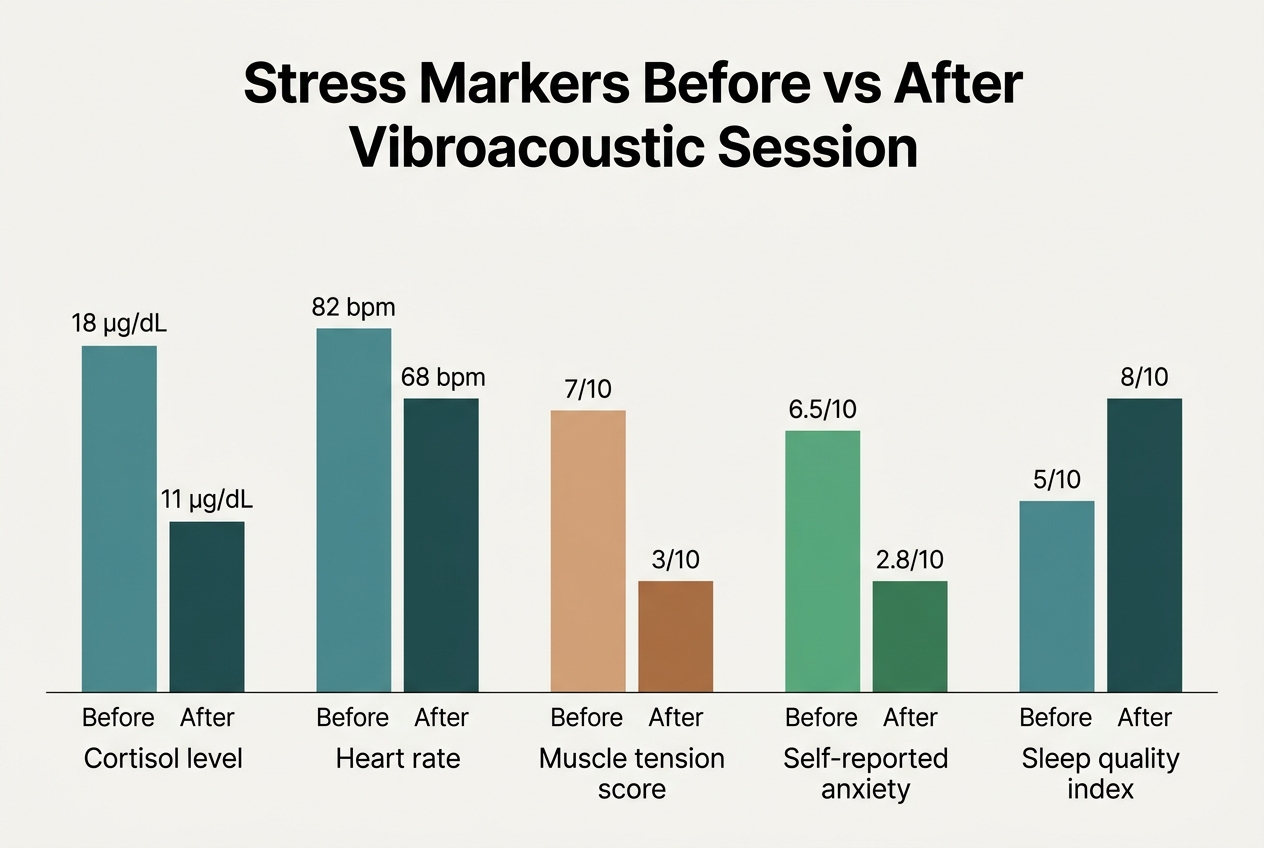
Heart rate itself tends to drop during sessions, often by five to ten beats per minute. Blood pressure readings taken before and after sessions show modest but consistent decreases. Cortisol, the primary stress hormone, has also been measured in saliva samples, with reductions noted post-session.
These physiological indicators line up closely with findings from broader research on massage for stress relief, reinforcing that touch and vibration both calm the body’s stress response through similar pathways.
Beyond machines and lab readings, self-reported outcomes still matter. Many participants rate their stress and anxiety levels before and after sessions using standard questionnaires. Scores frequently drop by thirty percent or more immediately following a single session.
Mood improvements are also commonly reported, with participants describing reduced tension and better sleep quality that night. Products like the Vibroacoustic Therapy – Sound Oasis line have been referenced in consumer research exploring at-home sound relaxation habits.
Combined with Sonic Table Therapy or Handheld Massage, these emotional benefits often feel immediate. Clients describe a lighter mental state, less irritability, and greater ease returning to daily tasks once the session ends.
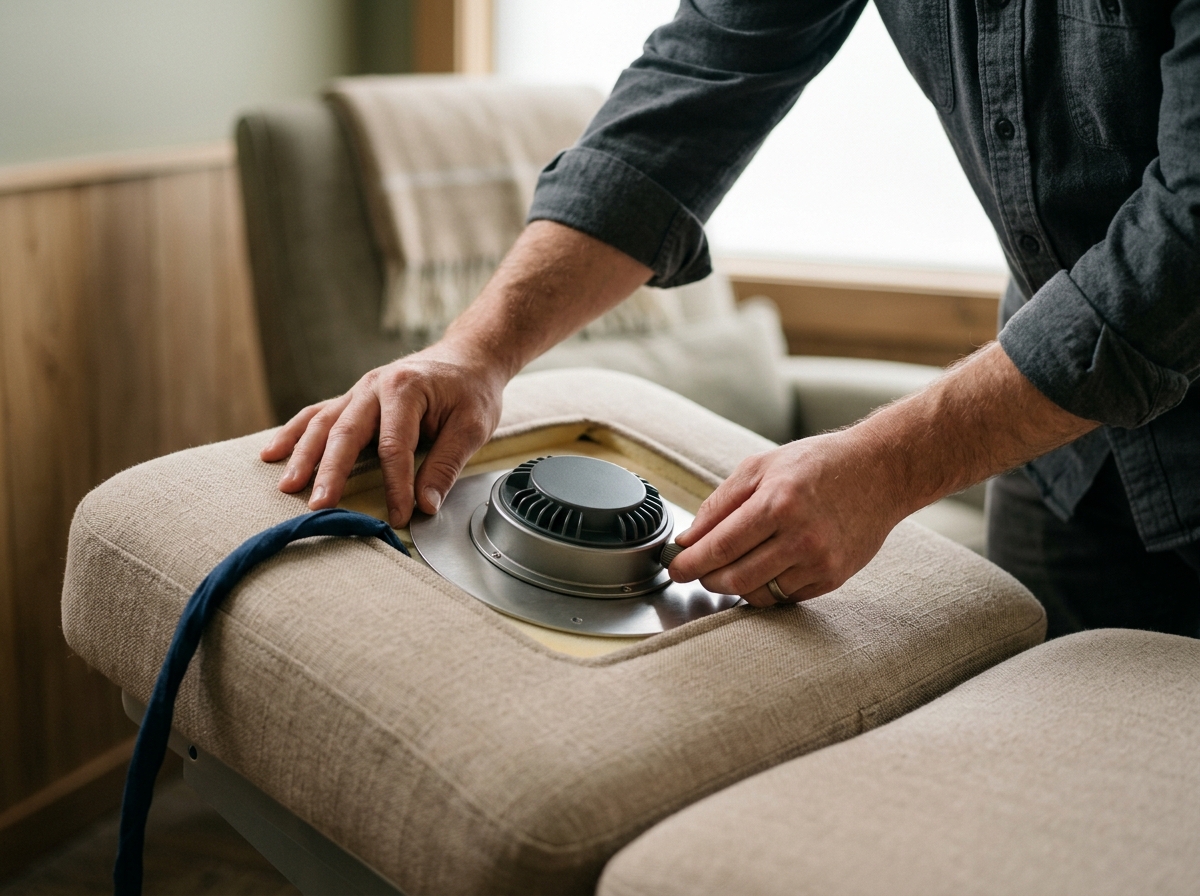
Low-frequency sound waves reach deep into muscle tissue. This helps loosen tight spots and ease chronic tension. Many clients seek vibration massage back pain relief as a gentle alternative to harder manual techniques. The Wave Table Therapy format is often used for this purpose, since full-body contact lets vibrations spread evenly along the spine and large muscle groups.
Researchers have explored vibroacoustic therapy for people with Parkinson’s disease. Some studies show short-term improvements in tremor, muscle rigidity, and walking speed after sound-based sessions. The vibrations may stimulate nerve pathways involved in movement control. Results vary between individuals, and this work is still developing. A helpful overview appears in this Vibroacoustic Therapy – Advanced Surgery & … resource, which outlines current clinical interest in the field.
Sound vibration can calm the nervous system quickly. Many people notice lower anxiety and a steadier mood after regular sessions. The Sonic Table Therapy format pairs tone and rhythm to support relaxation, while Handheld Massage tools offer targeted calming for specific tense areas.
Sound therapy uses tones and frequencies for physical response. Music therapy uses structured songs, often guided by a trained therapist for emotional or cognitive goals. Vibroacoustic sessions add physical vibration through a bed, which music therapy doesn’t include. For a deeper look at how frequency affects the body, see Sound Therapy Benefits: What the Science Shows.
Massage uses hands or tools to apply direct pressure to muscle tissue. Vibroacoustic beds use low-frequency sound waves that pass through the body without manual pressure. Both can ease tension, but the mechanism differs. Clients recovering from injury sometimes pair sessions with orthopedic massage for targeted joint or muscle support.
Sound baths rely on ambient instruments like gongs or singing bowls, heard through the ears. Vibroacoustic therapy sends vibration directly into the body through a table. The table below compares four common methods by equipment, sensation, and typical goal.
| Method | Equipment | Sensation | Best Goal |
|---|---|---|---|
| Wave Table Therapy | Vibrating bed, low frequency | Full-body pulsing | Deep relaxation |
| Sonic Table Therapy | Speaker-embedded table | Gentle resonance | Stress relief |
| Handheld Massage | Manual device | Localized pressure | Muscle soreness |
| Sound Bath | Bowls, gongs | Auditory, ambient | Mental calm |
| Traditional Massage | Therapist’s hands | Direct touch | Tissue recovery |
Choose based on your main goal. Physical tension favors vibration-based methods. Mental stress often responds well to ambient sound.
Every session starts with a short intake. A practitioner explains the equipment and adjusts settings for comfort. Clients lie fully clothed on a padded Wave Table or Sonic Table. The first few minutes focus on breathing and settling the nervous system before any deep vibration begins.
This middle stage delivers the main therapy dose. Low-frequency waves pulse through the body while sound tones layer on top. Many clients report warmth, gentle tingling, and a heavy, sinking feeling in the muscles. The table below shows a typical minute-by-minute breakdown.
| Time | Stage Focus | Typical Sensation |
|---|---|---|
| 0–5 min | Settling in, low pulse warm-up | Light tingling, muscle release |
| 5–20 min | Full wave and sonic immersion | Deep warmth, heaviness |
| 20–35 min | Sustained frequency work | Calm, drowsy, slowed breathing |
| 35–40 min | Optional handheld massage | Targeted pressure, easing tight spots |
The final minutes lower vibration intensity gradually. This gentle taper helps the body transition back to alertness without a jarring stop. Many clients say this closing phase supports massage for better sleep later that night. Research summarized in the Benefits of Vibroacoustic Therapy notes similar lingering calm after sessions end.
Most clients notice physical relaxation within the first few minutes. Low-frequency vibration moves through the body and softens tight muscles. Many people compare the effect of Wave Table Therapy to a deep-tissue massage without any pressure or pain.
Beyond the body, clients often report clearer thinking. Sleep quality and mental clarity are two of the most common results people describe after a session. Sonic Table Therapy uses gentle tones that calm the nervous system, making it easier to unwind at night.
With regular visits, benefits tend to build over time. Emotional balance becomes more stable, and anxiety symptoms often soften. People searching for consistent massage wellness near you bergen county often choose this therapy as part of a steady self-care routine, sometimes paired with Handheld Massage for added relief. For a broader look at documented outcomes, resources like Vibroacoustic Therapy, KNOSIS Wellness, Flatiron Nomad NYC offer useful context on what consistent sessions can support.
Most healthy adults make ideal candidates for regular sessions. People managing everyday stress, muscle tension, or occasional sleep trouble often notice steady improvement with consistent visits, whether on a Wave Table, a Sonic Table, or through targeted Handheld Massage.
Certain conditions call for caution. Pregnancy is a common contraindication, since vibration and low-frequency sound may affect the abdomen in ways not fully studied. Anyone with a pacemaker or other implanted electronic device should avoid sessions, since vibration and sound waves can interfere with device function.
Other concerns include recent surgery, blood clots, severe osteoporosis, epilepsy, and acute inflammation or infection. People with these conditions should skip sessions until cleared by a physician. A dedicated provider will always ask about health history before the first session, so being upfront about medications and diagnoses matters. Honesty here keeps the experience safe and effective.
Children can sometimes benefit from shorter sessions, but pediatric use should always follow a doctor’s guidance. Growing bodies respond differently to vibration, and providers typically adjust intensity and duration significantly for younger clients.
Older adults often enjoy real benefits, including eased joint stiffness and better relaxation. Still, staff should check for balance issues, fragile bones, or cardiovascular conditions first. Shorter, gentler sessions usually work best for this group, with frequent check-ins during treatment.
Anyone with a chronic illness, recent injury, or implanted medical device should talk to a doctor before booking. This step matters most for new clients unsure how their body will respond. Reviewing first visit what to expect beforehand can also help set realistic expectations and questions to ask.
Pregnant clients, people on blood thinners, and those with unstable heart conditions should seek medical clearance first. When in doubt, a quick conversation with a healthcare provider offers peace of mind before the first session begins.
Wellness studios in Seattle, Portland, and smaller coastal towns are leading with tech-forward relaxation options. Many local businesses in this region pair Wave Table Therapy with mindfulness coaching, appealing to clients already familiar with yoga and meditation studios.
Cooler climates and long rainy seasons push residents toward indoor wellness routines. Providers report steady demand for stress-relief sessions during fall and winter months, when outdoor activity drops. This has encouraged studios to expand hours and add Sonic Table Therapy alongside existing massage services.
Arizona and Nevada spas often frame sound-based sessions as recovery tools for active, outdoor lifestyles. Hikers, golfers, and desert-climate retirees seek gentle options that ease muscle tension without added strain. Clinics in Scottsdale and Palm Springs increasingly list these services alongside hydrotherapy and infrared treatments.
Retirement communities across the region have shown particular interest, since low-impact therapies suit older clients managing chronic discomfort. Some centers combine Handheld Massage tools with full-body sessions to address specific problem areas. This layered approach reflects a broader shift toward personalized, non-invasive care plans in warmer climates.
Across Canada, integrative health clinics are folding sound-based relaxation into existing physiotherapy and chiropractic practices. Toronto and Vancouver providers frequently mention their about us pages when explaining credentials, since Canadian consumers often research provider background before booking.
Provincial wellness associations report rising interest in non-drug relaxation methods, particularly among clients managing workplace stress. Cold winters and long indoor seasons also boost demand, similar to patterns seen in the Pacific Northwest, making this a fast-growing wellness category nationwide.
Providers use several equipment styles. Wave Table Therapy uses full-body beds with embedded transducers. Sonic Table Therapy focuses on layered tones through padded surfaces. Handheld Massage tools target specific muscle groups after a session.
Equipment differs in frequency range, speaker count, and placement. Lower frequencies target deep tissue. Higher frequencies work closer to the skin’s surface. The table below compares four common setups found in wellness spaces today.
| Setup | Frequency Range | Speaker Placement | Typical Session Length |
|---|---|---|---|
| Full-body wave bed | 30–80 Hz | Head to feet, evenly spaced | 45 minutes |
| Sonic table | 40–120 Hz | Under torso and hips | 30–45 minutes |
| Portable pad system | 50–100 Hz | Localized, movable | 15–20 minutes |
| Handheld device | 60–150 Hz | Direct contact, targeted | 10–15 minutes |
Full-body beds offer even coverage but limit targeted work. Sonic tables balance depth and comfort well. Portable pads suit quick, focused sessions. Handheld tools pair nicely with massage for better circulation goals but need more hands-on time.
A little preparation helps your body settle into the experience faster. Wear loose, comfortable clothing and avoid heavy meals within an hour of your visit. Arrive 10-15 minutes early to fill out any intake forms and mention specific concerns, like tension from sitting at a desk all day.
You’ll lie fully clothed on a Wave Table or Sonic Table, where speakers embedded in the surface deliver rhythmic pulses through the body. Expect gentle humming vibrations rather than loud noise. Many first-time clients describe it as a deep, internal massage that reaches muscles a handheld tool can’t. Some sessions incorporate Handheld Massage on tighter areas, similar to techniques used for massage for neck and shoulder pain. It’s common to feel drowsy or briefly emotional as tension releases.
Drink water afterward and move slowly when you first sit up. Light stretching later that day can extend the loosening effect. Most people notice improved sleep and reduced tension for several days, with benefits building further after two or three regular sessions.
Most clients feel a shift by the end of a single 45-minute session. The Wave Table Therapy stage often brings noticeable muscle release within the first 10 to 15 minutes. Immediate relaxation is the most commonly reported first-visit result.
Deeper benefits, like better sleep or reduced chronic tension, usually build over three to five sessions. Weekly visits for a month give the nervous system time to adjust its baseline stress response. Some clients seeking relief similar to massage for sciatica report gradual improvement over several weeks rather than overnight.
Results vary by body type, stress levels, and consistency. Skipping weeks between sessions can slow progress, so a steady schedule works better than occasional visits.
Yes, with sensible precautions. The therapy uses low-frequency sound, not deep pressure, making it gentle enough for older adults and teenagers. Session length and vibration intensity get adjusted based on age and comfort level.
A common misconception is that gentle vibration means weak results, or that it’s unsafe for fragile bodies. In reality, trained staff calibrate settings carefully, and clients stay fully clothed and in control throughout. Safety screening before the first visit catches any concerns, such as pacemakers or recent surgeries.
Young children typically aren’t candidates, since most providers set a minimum age. Elderly clients often tolerate sessions well, especially shorter ones combined with the Sonic Table Therapy stage.
Absolutely. Many local businesses pair sessions with massage therapy, physical therapy, or chiropractic care for compounded results. The relaxation effect can make bodywork more comfortable afterward.
Handheld Massage tools are sometimes added during a session to target specific tight spots. This combination approach addresses both whole-body relaxation and localized muscle concerns in one visit.
There’s no strict waiting period between this therapy and other wellness treatments. Still, mention any recent medical procedures beforehand. Coordinated care between providers ensures nothing conflicts, especially for clients managing chronic pain conditions.
If you’re curious to experience vibroacoustic therapy for yourself, consider stopping by Anmowell, where their three-stage wave and sonic therapy beds gently guide you through a calming session in just 45 minutes. It’s a simple, restorative way to unwind without any pressure or fuss. Book a visit and give yourself the time to feel genuinely refreshed.