Discover the science-backed hydromassage benefits of wave and sonic therapy—ease tension, boost circulation, and recover faster without getting wet. Discover pr



Sore, tense muscles after a long day shouldn’t require an expensive spa membership or an hour you don’t have to spare. The science-backed hydromassage benefits of wave and sonic massage therapy offer a faster, more accessible path to relief. Targeted water pressure and vibration ease tension, boost circulation, and calm the nervous system — without a single drop touching your skin. This guide breaks down how these technologies work, what the research says, and how Anmowell’s approach to hydromassage can fit into your recovery routine in 2026 and beyond.
Modern therapy beds use pressurized water channels hidden beneath a dry, cushioned surface. Pumps push water in rolling waves along the body, from shoulders to calves. This creates a rhythmic pressure pattern similar to human hands kneading tight muscles. For a deeper look at the mechanics, this wave and sonic massage therapy guide breaks down each component in detail.
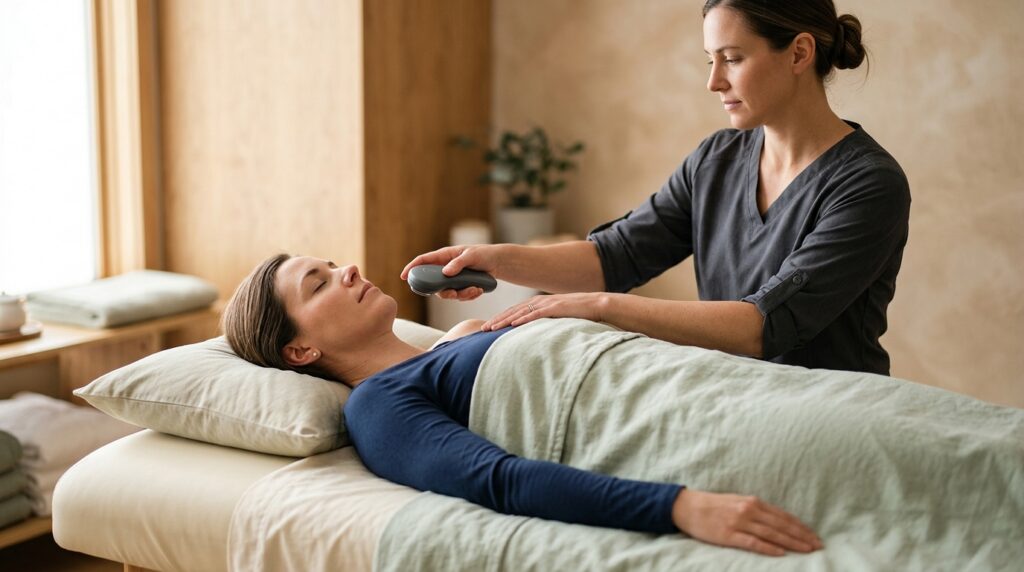
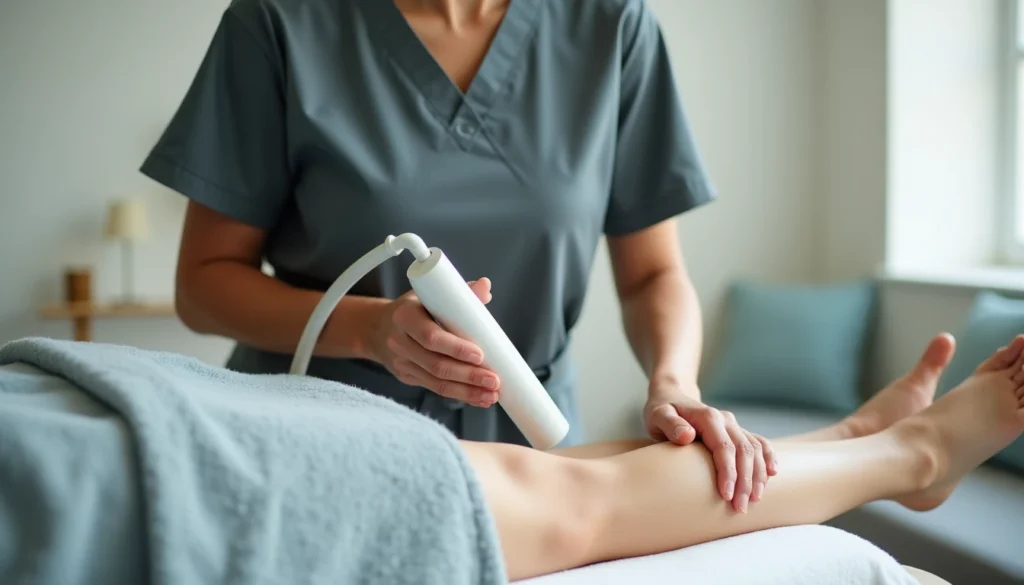
Sonic technology adds another layer. Low-frequency vibrations pulse through the same surface, reaching deeper tissue layers than water pressure alone. Together, wave and sonic therapy combines two distinct mechanical forces. One targets surface muscle tension. The other reaches connective tissue and joints. Many providers pair this with handheld massage tools for stubborn spots like the neck or lower back.
Most sessions follow a three-stage structure. Stage one warms the body using gentle wave patterns, preparing muscles for deeper work. This phase usually lasts about 10 to 15 minutes.
Stage two increases wave intensity and introduces sonic vibration across major muscle groups. This middle stage often runs 20 minutes and forms the core of the treatment. Stage three tapers intensity down, calming the nervous system before the client exits fully clothed and dry. The whole process fits into a 45-minute appointment, including a brief consultation.
Traditional wet systems submerge clients in water-filled tubs or use direct water jets against bare skin. These setups require swimwear, showering, and more cleanup between clients.
Dry systems separate water from skin using a durable membrane, so clients stay fully clothed and dry throughout. This makes dry hydromassage faster to book, easier to maintain, and more hygienic for repeat visits. It’s also gentler for sensitive conditions. Some clients exploring options for massage for sciatica find dry systems more comfortable than submersion-based alternatives.
Wave and sonic therapy work together to support the body on multiple levels. The result is full-body recovery that goes beyond simple relaxation. Later sections dig into muscle and joint relief, but here’s the broader picture first.
Physical relief is only half the story. Many clients notice a calmer mind after just one session. This connects to broader whole body vibration therapy benefits, which include lower stress markers and improved mood regulation. A good provider designs sessions to encourage deep rest, letting the nervous system shift out of a stressed state and into a more balanced one.
Consistency matters. Booking regular sessions, rather than a single visit, builds lasting results over time. Many local businesses now offer package pricing to support this kind of routine. For readers researching options, comparing providers through a resource like best massage spa fort lee nj can help identify a consistent, trustworthy therapy schedule. Over weeks and months, this steady rhythm supports better sleep, sustained energy, and a stronger sense of overall balance.
The lower back and neck carry most of our daily stress. Hours at a desk or long drives leave these areas stiff and sore. The wave pressure used in Wave Table Therapy moves along the spine, targeting tight muscles without deep manual pressure. This helps loosen knots that build up from poor posture or repetitive strain.
Sonic Table Therapy adds another layer, using gentle vibration to reach smaller muscle groups near the neck and shoulders. Many desk workers report feeling looser after just one session. For a deeper look at targeted relief, this guide on massage for neck and shoulder pain explains common causes and solutions.
Athletes often deal with soreness after intense training. Muscle recovery depends on reducing tightness and improving blood flow to tired tissue. The wave motion targets pressure points across the back, legs, and shoulders, mimicking the feel of a hands-on massage without direct contact.
This makes it a practical option after a hard workout or competition. Many people use it as a regular part of their weekly routine, alongside stretching and rest, to keep muscles ready for the next session.
People with ongoing joint stiffness often look for gentle, low-impact options. The combined wave and sonic approach offers temporary relief from everyday aches in the hips, knees, and shoulders. It won’t cure chronic conditions, but it can ease discomfort enough to improve daily movement.
This resource on What is HydroMassage® and Its Benefits? offers helpful background on how this therapy supports joint comfort over time.
The Wave Table Therapy stage uses rolling pressure to push blood through tight areas. This action copies the strokes a trained therapist uses during massage for better circulation. Blood carries oxygen and nutrients to tissue. When flow improves, cells repair faster.
Many clients notice warmer hands and feet after a session. That warmth signals better circulation reaching the small vessels. Some spas report clients feeling this shift within the first 15 minutes of a 45-minute session.
Better blood flow also supports healing after workouts. Sore muscles clear waste faster when circulation runs smoothly, which shortens recovery time between training days.
Swelling happens when fluid builds up in tissue instead of draining away. Wave pressure encourages that trapped fluid to move back into circulation. This can ease puffiness in the legs, ankles, and lower back.
People who sit or stand for long shifts often deal with heavy, swollen legs by evening. Regular sessions may reduce that daily buildup over time. The gentle, rhythmic pressure works without deep tissue force, making it comfortable for sensitive areas.
Muscles produce waste products during normal activity and exercise. This includes lactic acid and other byproducts that cause stiffness. Improved circulation helps flush this waste from tissue more efficiently.
The Sonic Table Therapy stage adds gentle vibration, which may further support this natural clearing process. As detailed in What Is Hydromassage? How It Works, Benefits, and …, this combined approach supports the body’s own systems rather than replacing them. A Handheld Massage tool can target specific spots afterward for added relief.
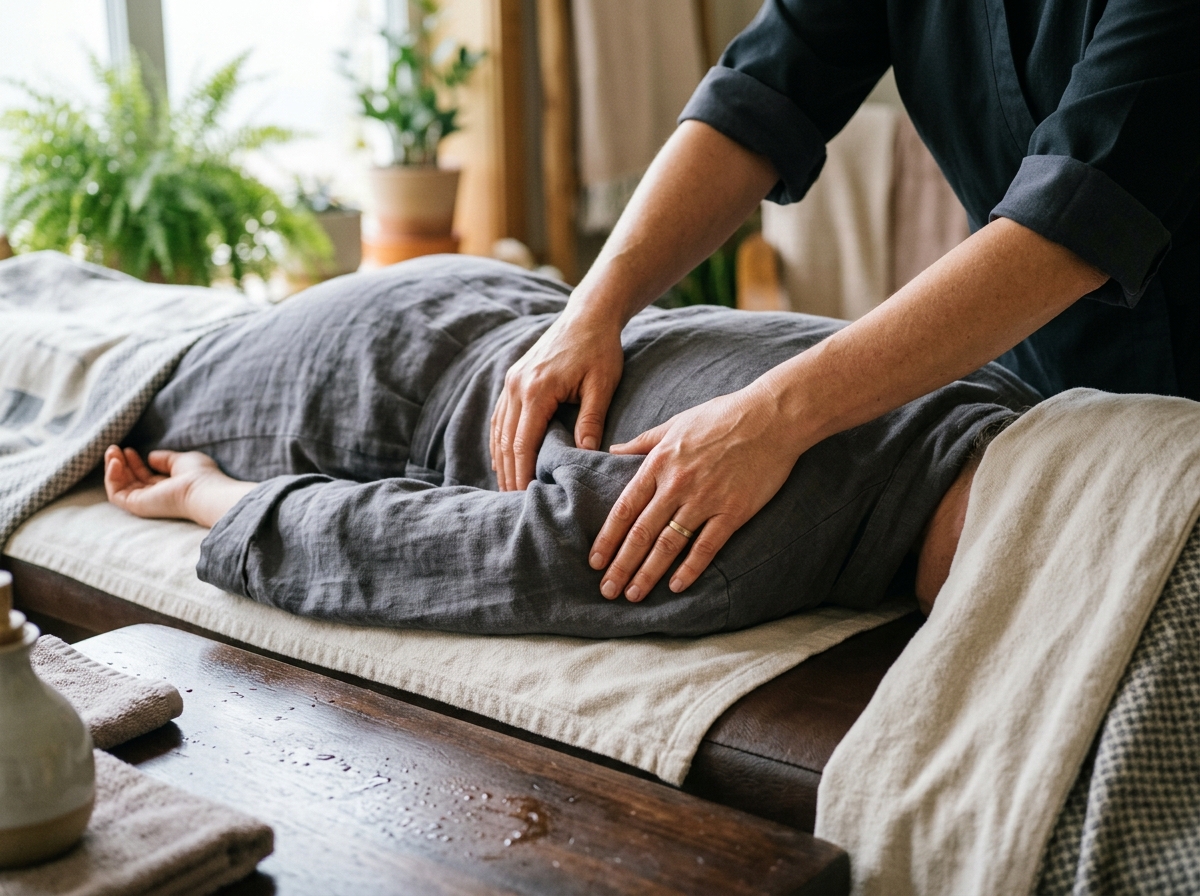
Sonic vibrations move through the body in steady, rhythmic waves. This gentle pulsing signals the nervous system to shift gears. The body moves out of “fight or flight” mode and into a calmer state. Many clients notice their breathing slow within minutes on the Sonic Table.
This shift triggers the parasympathetic response, the body’s natural rest-and-digest setting. Heart rate drops. Muscles loosen. Racing thoughts start to quiet down. Sessions built around massage for stress relief often use this same principle of steady, repetitive input to settle an overstimulated system.
Cortisol, the body’s main stress hormone, also tends to drop during these sessions. Lower cortisol means less tension carried in the shoulders, jaw, and stomach. Clients often describe feeling lighter and clearer after just one 45-minute session.
Poor sleep and high stress often feed each other. Calming the nervous system before bedtime can break that cycle. Regular sessions on the Wave Table have been linked to deeper, more restful sleep for many clients.
A relaxed body falls asleep faster. It also stays asleep longer, with fewer nighttime wake-ups. Some clients schedule sessions in the early evening specifically to support this wind-down effect before bed.
Better sleep quality doesn’t stay contained to nighttime hours. It carries into the next day, improving focus, patience, and energy levels from morning onward.
Deep relaxation often brings a noticeable lift in mood. As tension releases, feelings of irritability and mental fog tend to fade. Many clients leave sessions feeling calmer and more even-tempered.
Handheld Massage techniques applied to specific tension zones can add to this effect, targeting tight areas that hold onto daily stress. According to The Benefits of Hydromassage, relaxation therapies like this support both emotional and physical well-being over time.
With consistent sessions, many people report a steadier, more positive mood that extends well beyond the spa visit itself.
Hands-on massage uses a therapist’s hands, elbows, or tools to knead muscle tissue. Pressure changes based on skill and feel. Wave and sonic therapy beds use water-filled rollers and vibration to apply steady, programmed pressure. This makes results more predictable from one session to the next. Clients seeking targeted work, like orthopedic massage, may still prefer a trained hand for specific injuries.
Traditional massage often requires a 60- to 90-minute appointment and undressing. Wave and Sonic Table sessions run about 45 minutes, fully clothed, with no oils or lotions needed. Convenience and hygiene improve since there’s no direct skin contact between clients and staff.
| Factor | Traditional Massage | Wave/Sonic Bed |
|---|---|---|
| Average Session Length | 60-90 minutes | ~45 minutes |
| Skin Contact | Direct, hands-on | None, clothed |
| Pressure Consistency | Varies by therapist | Programmed, uniform |
| Typical Cost Range | $70-$120 | $25-$50 |
| Staffing Needed | Licensed therapist | Minimal supervision |
Hands-on therapy offers customization and human touch. It costs more and depends on therapist availability. Handheld massage tools bridge the gap for at-home use. Wave and sonic beds deliver consistent, efficient relief without scheduling a specialist. For evidence on recovery speed, see this study on the Top 5 Benefits of HydroMassage for Post-Workout Recovery.
Athletes push their muscles hard, and recovery matters as much as training. The Wave Table Therapy setting works deep into tight muscle groups after tough workouts. Runners, weightlifters, and weekend warriors alike can use sessions to ease soreness before it becomes an injury.
Long hours at a desk create tight shoulders, stiff necks, and a sluggish lower back. The Sonic Table Therapy mode targets these problem areas without deep pressure. People searching for vibration therapy near me fort lee often work desk jobs and want relief that fits into a lunch break.
Seniors often need comfort without strong pressure or joint strain. This therapy offers a soft, adjustable option for aging bodies. As outlined in this 4 Benefits of a Hydrotherapy – Daytona College resource, gentle water-based approaches support mobility and comfort in older clients.
Several groups tend to see the strongest results, including:
Anyone with a serious injury, recent surgery, or a chronic condition should consult a doctor before starting sessions.
Most people leave a session feeling calm and refreshed. In rare cases, mild soreness can appear the next day, similar to after a light workout. This usually fades within 24 hours.
A small number of clients report brief lightheadedness after standing up. This happens because circulation shifts during the wave and sonic cycles. Sitting up slowly for a moment before standing helps the body adjust and prevents dizziness.
These effects are typically minor and short-lived. If soreness or lightheadedness lingers beyond a day, mention it to the provider before your next visit.
Hydromassage is gentle, but it’s not right for everyone. Pregnant women, people with pacemakers, and those with severe osteoporosis should check with a doctor first. Anyone recovering from recent surgery should also seek medical clearance.
People with blood clots, deep vein thrombosis, or uncontrolled cardiovascular conditions should avoid the therapy until cleared. The vibration and pressure from wave table therapy or sonic table therapy can affect blood flow in ways that may not suit these conditions.
This resource on Benefits of Hydromassage in Helping You Heal – offers helpful background on who tends to benefit most, and who should proceed carefully.
Proper session duration matters. Most sessions run around 45 minutes, split across three stages. Staying within this window keeps the experience gentle and avoids overstimulation.
Drink water beforehand, and skip heavy meals right before lying down. Reviewing first visit what to expect guidance helps first-timers feel prepared and relaxed.
Always tell staff about any medical conditions beforehand. Clear communication ensures the handheld massage settings and table intensity match your comfort level.
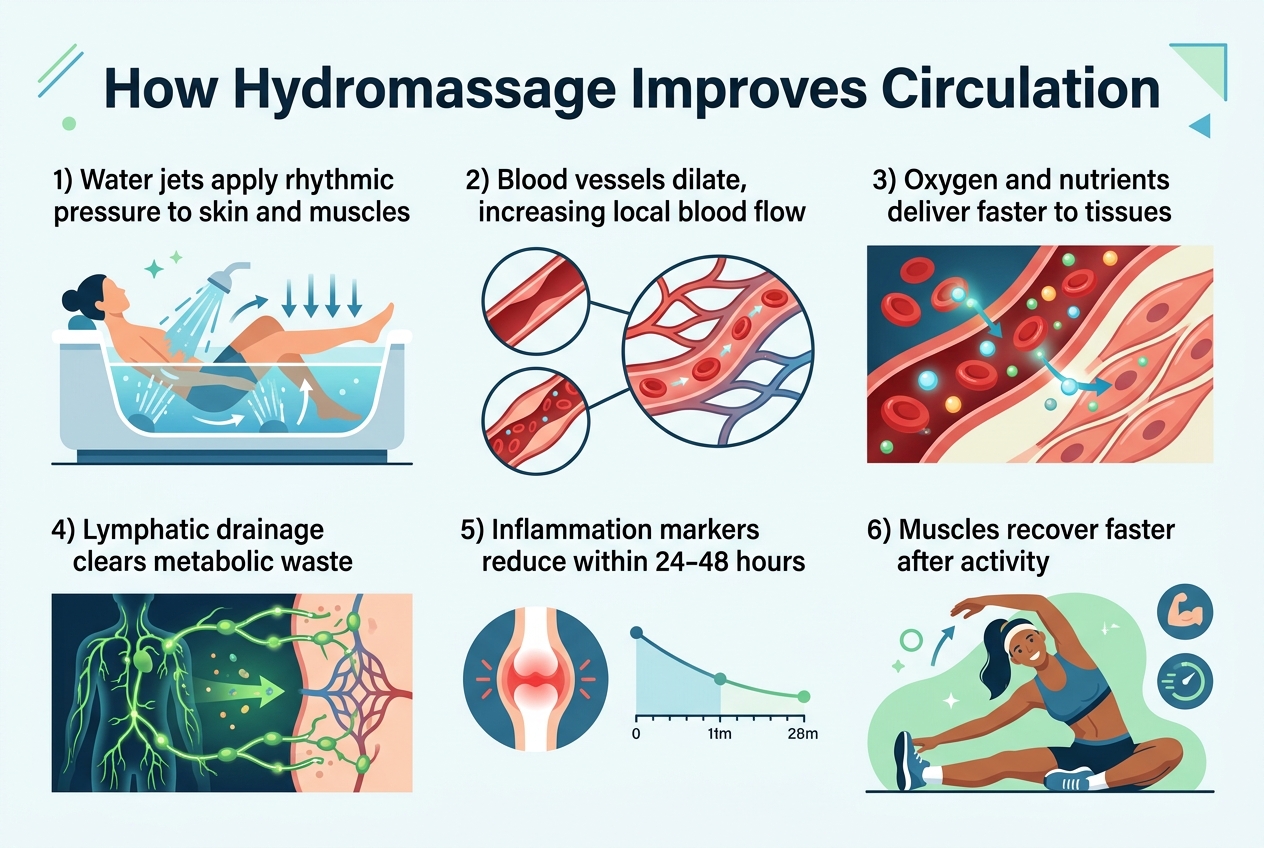
A full session runs about 45 minutes and moves through three distinct stages. Each stage builds on the last, so the body gradually shifts from tense to fully relaxed. Clients stay fully clothed and lie on a padded table the entire time. The table below breaks down what happens, minute by minute.
| Stage | Approx. Time | What Happens | What You Feel |
|---|---|---|---|
| Warm-Up | 0–10 min | Gentle Wave Table Therapy at low intensity | Light rolling pressure along the back |
| Deep Wave | 10–30 min | Wave pressure increases, targets specific muscle groups | Firm, rhythmic kneading sensation |
| Sonic Cool-Down | 30–40 min | Sonic Table Therapy introduces soft vibration | Soothing hum, muscles releasing tension |
| Optional Finish | 40–45 min | Handheld Massage on neck or shoulders | Targeted relief on tight spots |
The session starts slow. Warm-up waves prepare tight muscles before deeper work begins. First-timers often expect intensity right away. Instead, this stage feels light and calming, similar to a gentle rocking motion.
Pressure builds gradually here. This is the core working phase, where waves target the back, hips, and legs. Many clients compare it to firm hands kneading sore areas. It’s a great addition to a fitness routine, and pairing it with movement is worth exploring further in Hydromassage Benefits: Before and After Workouts.
The final stage shifts to sonic vibration, easing the body down. Breathing slows. Muscles settle. Clients often leave feeling looser than expected for such a short session. For those exploring options nearby, searching massage wellness near you bergen county is a simple starting point.
You can find this therapy in several types of places. Gyms often add a Wave Table as a bonus perk for members. Day spas may pair it with facials or body treatments. Dedicated wellness studios focus only on wave and sonic therapy, often using both Wave Table and Sonic Table Therapy for a full session. Each setting offers a different experience and price point.
Pricing varies by location, equipment, and session length. The table below shows typical ranges found at many local businesses.
| Setting | Single Session | Package (5 sessions) | Monthly Membership |
|---|---|---|---|
| Gym add-on | $10–$20 | $45–$80 | Included in dues |
| Day spa | $40–$65 | $180–$275 | Rarely offered |
| Dedicated studio | $35–$55 | $150–$225 | $99–$150 |
Several factors shape cost. Session length matters, since 45-minute sessions cost more than quick 15-minute ones. Equipment type also plays a role; combined Wave and Sonic Table sessions often cost more than a single machine. Location, added handheld massage tools, and membership discounts all affect the final price. Building a consistent massage self care routine can help you find the best value over time.
Most people notice the best results with one to two sessions per week. This pace gives muscles time to respond without overwhelming the body. Someone managing chronic tension might start with two sessions weekly for the first month, then taper to one.
Athletes or people with physically demanding jobs often benefit from more frequent visits, especially after intense activity. Others use a single monthly session simply to reset stress levels. There’s no single correct schedule. The right frequency depends on your goals, budget, and how your body responds to Wave Table Therapy or Sonic Table Therapy over time.
Pairing sessions with basic self-care amplifies results. Light stretching before or after a session helps muscles stay loose longer. Five to ten minutes of gentle movement targeting the back, hips, and shoulders works well for most clients.
Water intake matters too. Drinking water before and after a session supports circulation and helps flush metabolic waste from tissues. Many people also add a short Handheld Massage focused on problem areas for extra relief. These small habits, done consistently, build on each other and strengthen the overall benefit.
Keep expectations realistic. Cumulative benefits, like better sleep or reduced stiffness, often appear gradually over several weeks. Try a simple journal noting soreness levels, sleep quality, and mood after each visit.
Reviewing notes monthly reveals patterns a single session can’t show. If progress stalls, contact us to discuss adjusting your schedule or technique.
No. This is the most common misconception about the therapy. You stay fully clothed on a padded bed while water-filled cushions or wave chambers move beneath a protective barrier. There’s no direct water contact, no pools, and no need to shower afterward. That makes it a hygienic option for anyone who wants deep relaxation without changing clothes or dealing with wet equipment.
Many clients notice changes before they even leave the room. A single 45-minute session often includes distinct phases, such as Wave Table Therapy for broad muscle relief, Sonic Table Therapy for targeted vibration, and Handheld Massage for specific tension spots. Common early effects include:
Consistent, longer-term benefits usually build after several weekly sessions.
Hydromassage is gentle and low-risk for most healthy adults. Pregnant clients, people with recent surgeries, or those with certain circulatory conditions should check with a doctor first. Staff at most facilities can adjust pressure and time to fit individual comfort levels.
If you’re ready to feel the difference for yourself, consider stopping by Anmowell, where their three-stage wave and sonic therapy beds offer a gentle, non-invasive way to unwind, leaving you refreshed in just 45 minutes. It’s a simple way to give your body the reset it deserves. Book your session today and experience what makes their approach to relaxation so effective.