A planet fitness wellness pod is a quick self-serve gym extra, unlike the guided, three-stage Wave and Sonic Table Therapy session described here for Fort Lee.




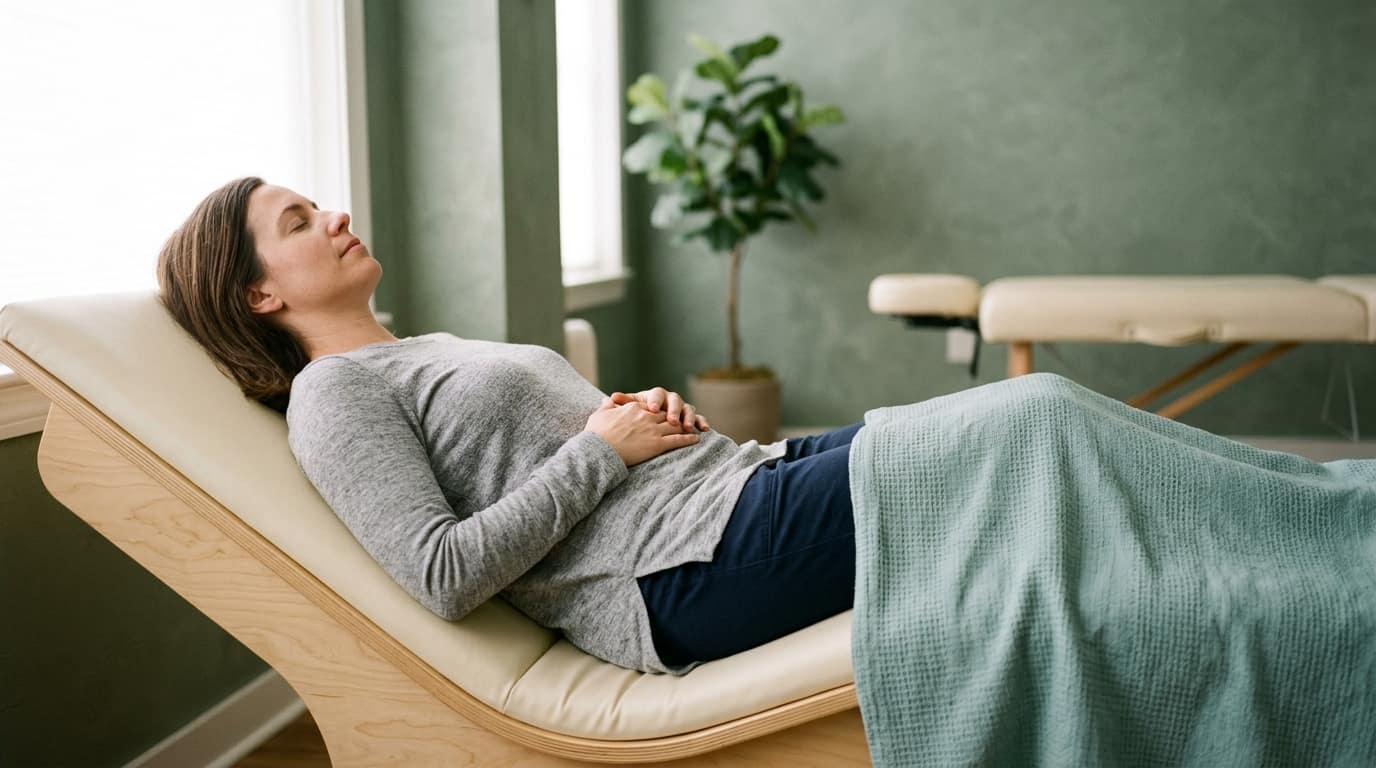
If you’ve got a Planet Fitness membership in Fort Lee, you’ve probably eyed the planet fitness wellness pod and wondered whether it’s worth the wait. Fair question. Fort Lee residents comparing that gym-floor pod to dedicated Wave and Sonic Table Therapy deserve a clear, honest answer before 2026 rolls in. Here’s what actually sets them apart.
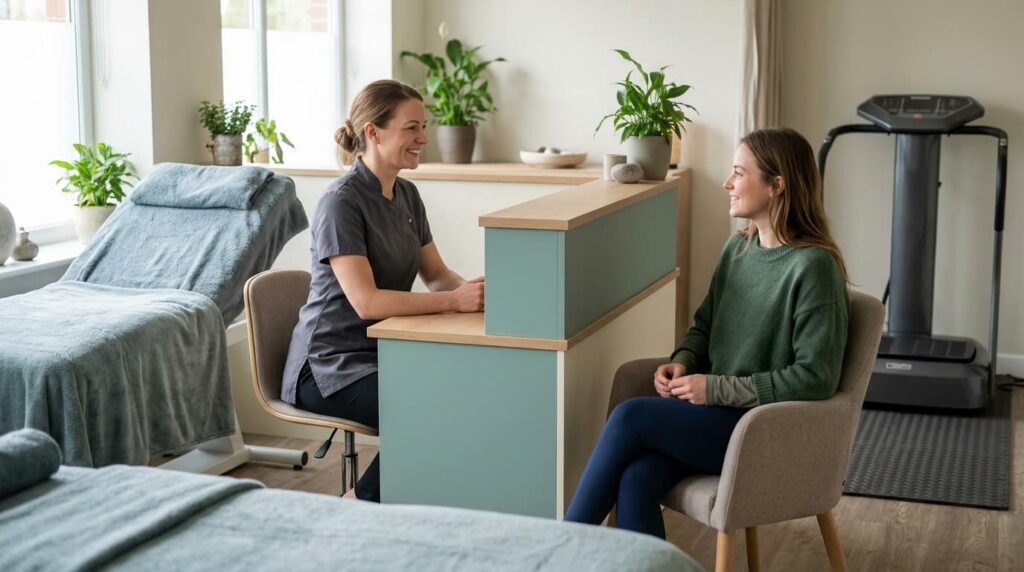
A gym wellness pod is usually a vibration platform or massage chair tucked into the Black Card area of a Planet Fitness location. It’s an add-on perk, not a standalone service. You swipe in, sit or stand for a few minutes, and move on with your day. There’s no booking involved. No one walks you through stages or adjusts anything for your body specifically.
Most sessions run somewhere between 5 and 15 minutes, depending on how busy the floor is and how patient you are waiting your turn. It’s designed as a cool-down, not a treatment. You hop on after a lift or a run, let the vibration do its thing, and head to the locker room. There’s no attendant walking you through intensity settings, and no structured sequence beyond “stand here, press start.”
That casualness is the whole point. It’s built for speed, not depth. If you’re after a quick buzz after cardio, it does that job fine. If you’re hoping for something closer to an actual wellness routine, you’ll bump into its ceiling fast — there’s no quiet room, no guided stages, nothing tailored to your particular aches.
These pods make the most sense for people already at the gym for another reason. Think of someone finishing a treadmill session who wants two minutes of vibration before showering and leaving. It’s a bonus bolted onto a membership, aimed at casual use rather than solving a specific, ongoing problem like chronic neck tightness or poor sleep.
That convenience comes with real limits, though. Access depends entirely on gym hours and whether the equipment happens to be free when you walk up. There’s no privacy, no personalization, and no one checking in on what you actually need that day. If you’re researching massage wellness near you bergen county options, it helps to know a gym pod and a dedicated therapy session are solving two very different problems.
For desk workers with real stiffness, or runners managing recurring soreness, a few minutes on a shared gym unit rarely moves the needle. That’s where a dedicated, appointment-based setup starts to look different — fixed session lengths, a private room, and a therapist adjusting things to your body instead of a one-size-fits-all public machine. Knowing first visit what to expect at a studio like that makes the contrast easier to picture before you ever book anything.
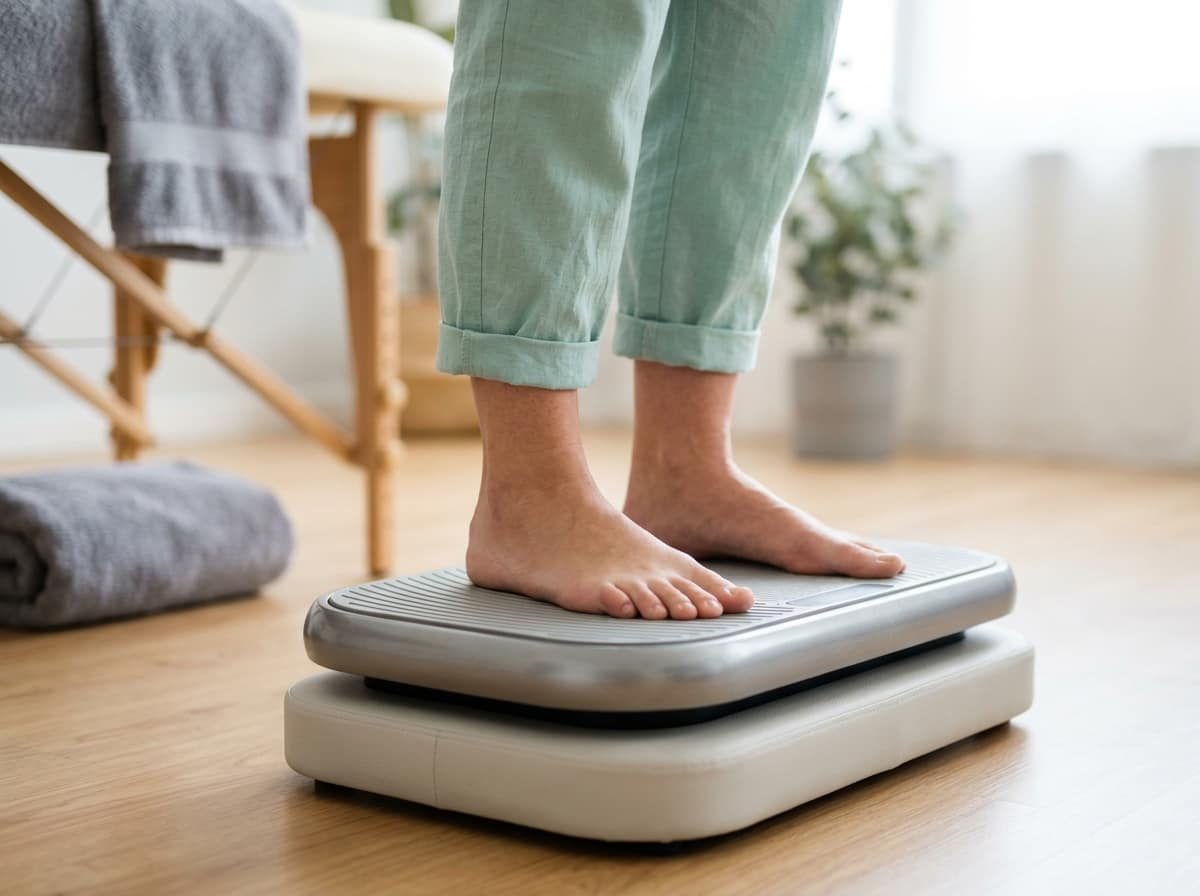
Strip away the branding and you’re really comparing two different models: a self-serve machine tucked into a gym floor, and a staffed, appointment-based studio built around one therapy. The table below lays out the practical differences a Fort Lee resident would actually notice.
| Factor | Gym Wellness Pod | Dedicated Studio |
|---|---|---|
| Session length | Self-timed, usually whatever fits around a workout | Structured 45-minute three-stage session |
| Personalization | Fixed settings, no adjustment | Adjustable intensity on two of three stages |
| Staff guidance | None — it’s self-serve equipment | Staff present throughout, English, Mandarin, and Cantonese spoken |
| Environment | Shared gym floor, open to other members | Private studio room, tea service, heated eye mask |
| Booking model | Included in gym membership, walk-up basis | Appointment required, limited weekly hours |
That environment line matters more than people expect. A pod sits in a corner of a crowded gym — fine for a quick reset, but not built for actually unwinding. A dedicated space removes that noise, literally and otherwise. If you’re specifically chasing better circulation, it’s worth knowing the difference between whole-body vibration and other approaches; vibration therapy near me fort lee searches usually turn up both gym pods and standalone studios, so check which model you’re booking before you go.
Local specifics count too. A studio alternative offering free parking on Lemoine Ave, multilingual staff, and a 142-review five-star track record isn’t something a gym amenity can replicate — it simply wasn’t designed for that kind of dedicated attention.
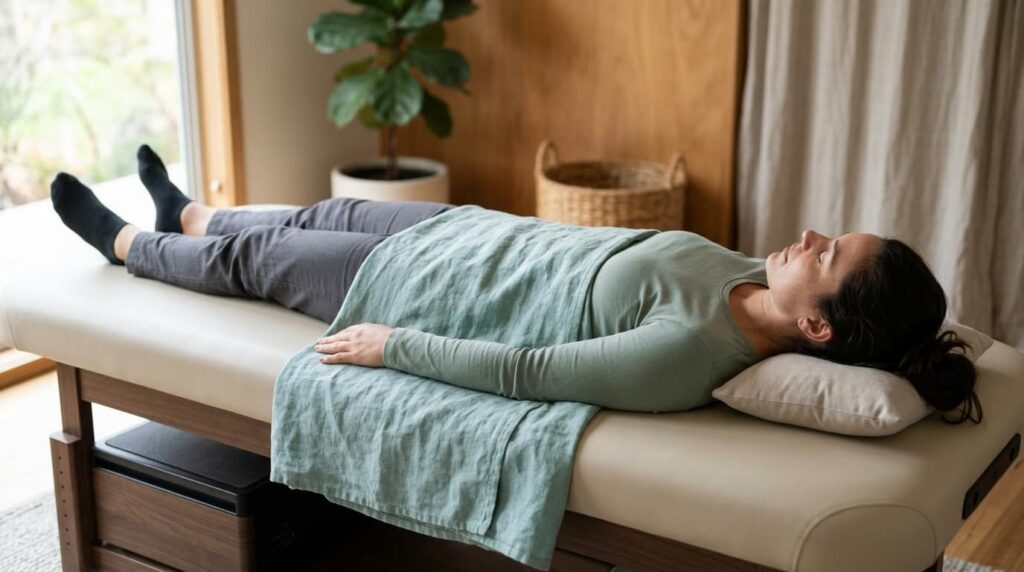
There’s a logic to this sequence, and it’s not random. The Wave Table goes first: 30 minutes on a gently inclined, rhythmically moving table designed to coax the spine into slow decompression. You’re easing tight segments apart before anything else happens, which sets up everything that follows. Jump straight to vibration without that groundwork and you’re working on tissue that hasn’t had a chance to let go yet.
Next comes the Sonic Table, 10 minutes of vibration therapy that starts at the feet and moves upward. By this point, circulation is already waking up from the Wave stage, so the vibration builds on that rather than starting cold. For anyone curious about how these two phases interact mechanically, a detailed wave and sonic massage therapy guide walks through the sequencing in more depth than a single section can.
The final five minutes, a handheld massage focused on back and shoulders, exists to clean up whatever tension is still hanging around in one spot. It’s the only part of the session involving hands, and it’s deliberately short. Skip stage one or two and book the handheld alone? That’s not really how the system is built to work.
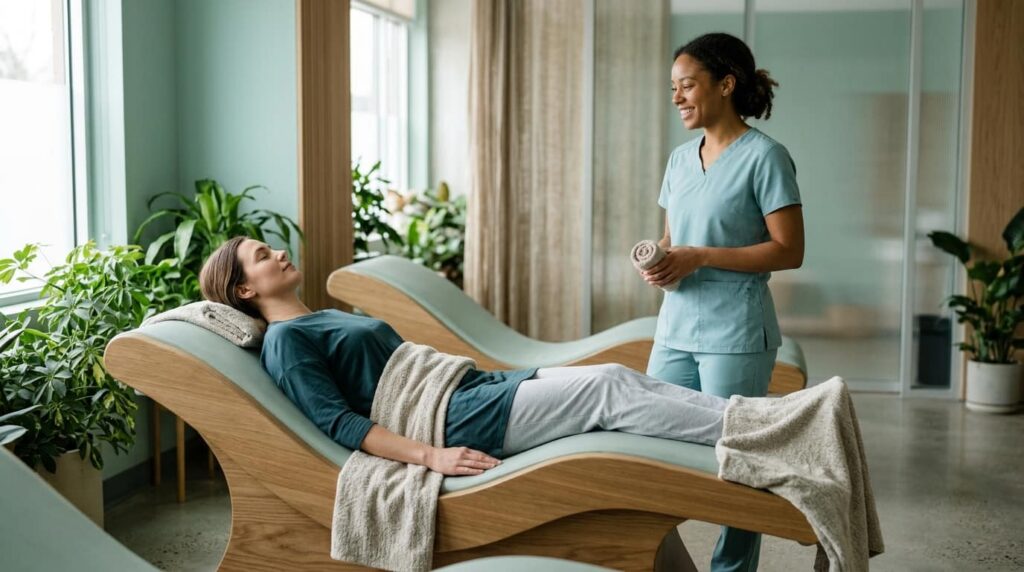
On the Wave Table, expect a slow, rocking incline, not a jolt. Many people close their eyes within minutes, helped along by a heated eye mask that comes standard during this stage. Intensity is adjustable here, so a first-timer and a longtime runner aren’t getting identical settings. It’s fully clothed throughout, no oils, no draping, no disrobing, which is a real departure from traditional hands-on massage categories like Swedish or deep tissue, where pressure and skin contact are the whole point.
The Sonic Table feels different again: a steady hum of vibration climbing from your feet, meant to support circulation rather than dig into muscle. It’s not deep tissue work, and it won’t replicate trigger point pressure on a single knot — think general-body relaxation instead. Then the handheld massage closes things out, also adjustable, landing somewhere between firm and light depending on what you tell the therapist you need that day.
Afterward, most sessions wind down with a complimentary tea service, a quiet few minutes that a lot of guests say they didn’t expect but appreciated. Honestly, that pause matters more than people think. Not a spa frill — a real decompression period, and a world away from a water-jet hydromassage bed, which keeps you wet and doesn’t offer that same clothed, meditative close.
Most people don’t walk in looking for a spa day. They walk in with a specific complaint — a tight neck, a stiff lower back, a workout that didn’t quite go right. A dedicated provider built around a wave and vibration table tends to attract the same handful of issues again and again. Here’s what actually brings people through the door, and how a 45-minute session is designed to answer each one.
None of this replaces clinical care. If pain is sharp, new, or tied to an injury, that’s a conversation for a doctor, not a wellness studio — and if it’s chronic neck or shoulder pain specifically, it’s worth reading up on massage for neck and shoulder pain before deciding which approach fits. What keeps people coming back usually shows up in the details — the staff, the quiet, the fact that nothing hurts — and that pattern is easy to spot across the studio’s reviews. Worth remembering: gentle doesn’t mean universal. Plenty of conditions call for checking with a doctor first, which a later section covers directly.
Once you start comparing recovery options, it helps to see where hands-on work and table-based therapy actually differ, rather than assuming one replaces the other. The table below lines up five common techniques against the Wave and Sonic approach, stage by stage, so you can judge fit for yourself.
| Technique | How it works | Best for | Offered here? |
|---|---|---|---|
| Thai massage | Hands-on assisted stretching and compression | Flexibility, joint mobility | No — compare with passive Wave Table traction |
| Swedish massage | Hands-on gliding strokes, disrobed | General relaxation | No — 45-minute session is a clothed alternative |
| Deep tissue / trigger point | Firm, targeted manual pressure | Specific knots, chronic tight spots | No — Sonic Table gives general relaxation, not targeted pressure |
| Sports massage | Hands-on, training-focused bodywork | Pre/post-event recovery | No — Sonic Table works as a between-workout option only |
| Acoustic wave / hydromassage | Focused acoustic pulses or water jets | Clinical tissue stimulation, water-based relaxation | No — only dry whole-body vibration and inclined traction |
Notice the pattern? Every row on the left involves hands or specialized equipment doing something targeted. What’s on offer here is different: passive motion and vibration, nothing disrobed, nothing pressed into a specific knot. If you’re weighing options, learning whole body vibration therapy benefits against what manual lymphatic drainage or myofascial release actually do for fascia and lymph flow is worth the time — vibration supports circulation, but it isn’t draining lymph or releasing fascia the way a trained therapist’s hands can. Same logic applies to cupping and acupressure: useful tools, just not what’s happening on these tables. For general stiffness or a lunchtime reset, though, a quick look at the services page shows how the three stages stack into a single session. One honest note: if you need someone drilling into a specific trigger point, this isn’t that appointment — don’t expect it to be.
Whole-body vibration and inclined decompression feel gentle. But “gentle” doesn’t mean risk-free for everyone, and a dedicated provider worth its salt will tell you that upfront instead of waving you onto the table. Before you book anything resembling a wave or sonic session anywhere in Fort Lee, run through who actually needs a doctor’s sign-off first.
Here’s the blunt version: a wellness studio is not a clinic, and it shouldn’t try to be one. If you’re managing an ongoing condition or active treatment, your first call is a licensed healthcare provider or a prenatal-trained massage therapist, not a front desk booking a time slot. That’s true whether you’re weighing a wave table, a sonic table, or researching massage for better circulation in general. Ask first, book second. It’s a small step that saves you a bigger headache later, and any studio worth your time — including ones listing pricing for single sessions or bundles — should welcome the question rather than brush past it.
Most dedicated studios in this category run on appointments, not drop-ins, so plan ahead rather than showing up on a whim. A phone call or online booking request is usually step one, and new clients should ask about the $38 introductory session before paying full price for anything. If you’re comparing options, it’s worth skimming a roundup of the best massage spa fort lee nj has to offer, since pricing and hours vary quite a bit between studios and chain gym pods. Once you’ve picked a time, confirm the cancellation window.
Pricing generally follows a tiered structure: pay per visit, buy a bundle, or go unlimited if you plan to make it a weekly habit. Here’s a general shape of what that looks like at a studio offering wave and sonic table sessions.
| Option | Best for | Typical structure |
|---|---|---|
| Introductory session | First-time visitors | $38 flat rate, one-time offer |
| Single session pass | Occasional visits | Pay per 45-minute session |
| 4-session bundle | Monthly maintenance | Discounted rate per session |
| 10-session bundle | Regular routine, every week or two | Lower per-session cost |
| Monthly unlimited | Frequent users, multiple visits weekly | Flat monthly fee |
Notice there’s no membership lock-in required just to try it. That’s the point of the $38 entry rate. It lets you test the Wave and Sonic stages before committing to a bundle.
Hours matter here more than at a 24-hour gym. Monday and Thursday run by appointment only, Tuesday and Wednesday are closed entirely, Friday and Saturday stretch from 10 AM to 9 PM, and Sunday runs 2 PM to 8 PM. Plan around that before you commit to a bundle. A 24-hour cancellation notice is standard, so missing that window may cost you the session. Studios like this one, at 2460 Lemoine Ave, Suite 501, Fort Lee, NJ 07024, tend to offer free parking, which matters on a busy avenue. Staff fluent in English, Mandarin, and Cantonese make booking easier for multigenerational families. Call (201) 429-2265 ahead of a first visit to confirm availability, since appointment slots fill fast on weekends.
This kind of session tends to fit a wide range of people, including seniors and, within stated safety guidelines, children. It works well for anyone who wants movement and circulation support without being pressed, kneaded, or asked to undress. If you sit at a desk all day and feel that familiar tightness creep into your neck and shoulders, or you run a few times a week and want something gentler than a hard sports rubdown, this is worth considering. No oils, no pressure, fully clothed — that’s the whole pitch, really.
Real client feedback points to a few recurring themes: welcoming staff, noticeable back pain relief, a pleasant stretching sensation, neck pain relief, and a clean, calm facility. Those aren’t small details. They’re often what separates a session you’ll actually keep booking from one you try once and forget. If your goal is relaxation plus some structural relief — not a deep muscle overhaul — this fits comfortably.
It’s also a solid option for anyone uncomfortable with traditional hands-on bodywork. Some people just don’t want a stranger’s hands working their muscles, and that’s completely reasonable. A dedicated provider offering this format gives you a middle ground: structured, rhythmic, and still effective for everyday tension.
Be clear-eyed about what this isn’t. It’s not clinical treatment, not physical therapy, and not a replacement for targeted deep-tissue work on a stubborn knot. If you’re recovering from a specific injury under a doctor’s care, that’s a conversation for your clinician, not a wellness studio. Guests who are pregnant, have a pacemaker or similar implanted device, have had recent spinal surgery, or manage uncontrolled heart disease should check with their doctor before booking anything like this — no workarounds, no exceptions.
Chronic pain tied to a diagnosed condition, post-surgical rehab, or anything requiring hands-on clinical assessment belongs with a licensed medical massage therapist or physical therapist instead. Vibration and inclined traction can ease general stiffness, but they’re not built to isolate a single trigger point or replace prescribed rehab exercises. For residents searching Fort Lee, Cliffside Park, Palisades Park, Edgewater, Leonia, or Englewood, a good first step is comparing what you’d actually get: a free gym-based pod bolted onto a membership, or a dedicated $38 introductory session built around the full experience. One resource worth reading first is coverage of vibration massage back pain relief, which lays out realistic expectations before you decide. Weigh convenience against focus — then pick what actually matches your week.
Choosing where to spend an hour of recovery time often comes down to what your body actually needs that day — a firm hands-on technique to work out a specific knot, or something gentler that still leaves you feeling loose and cared for. If there’s any pregnancy, recent surgery, or heart condition in the picture, that question belongs to a doctor first, not a treatment menu. Otherwise, it’s worth asking whether you want someone’s hands doing the work or a quieter session built around vibration and stretChing traction, and letting that answer, along with how your schedule and sensitivities line up, guide the choice.