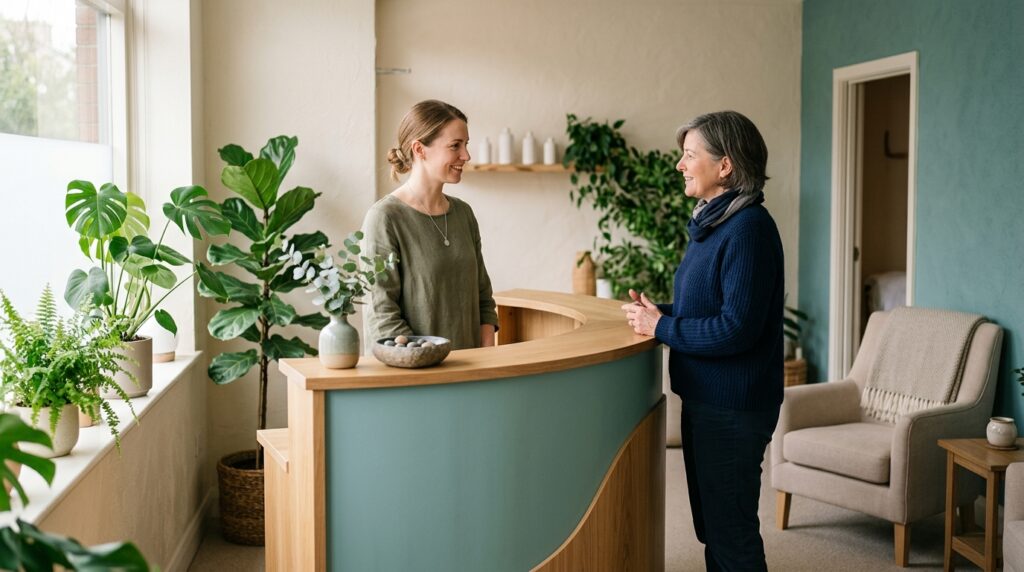
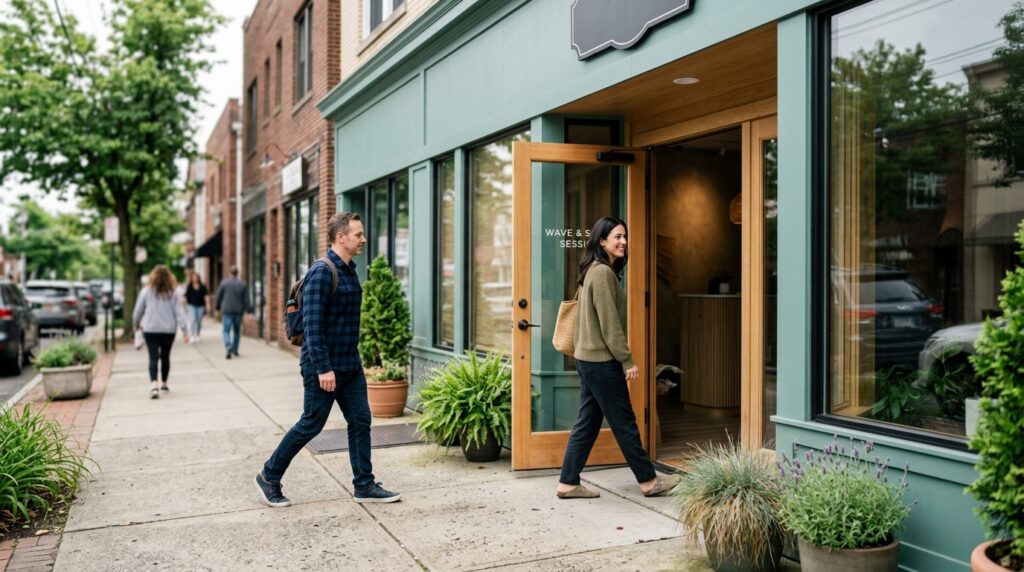
A sports massage therapist offers hands-on manipulation, while Wave Table and Sonic Table Therapy provide gentler, technology-driven recovery instead.


Your muscles feel perpetually tight, your recovery between workouts seems to stall, and you’re not sure whether foam rolling at home is actually doing anything—yet booking a session still feels vague, maybe even intimidating. A qualified sports massage therapist uses hands-on techniques to assess movement patterns, target specific tissues, and support performance recovery. That kind of clinical, hands-on work sits outside what Anmowell offers. Anmowell’s Sonic Table Therapy, Wave Table Therapy, and Handheld Massage give Fort Lee guests a different, non-invasive way to support recovery between training sessions, using calibrated vibration and gentle traction instead of manual pressure. This guide breaks down what a sports massage therapist actually does, how hands-on sports work differs from wave and sonic table therapy, and how to know which one fits your goal.
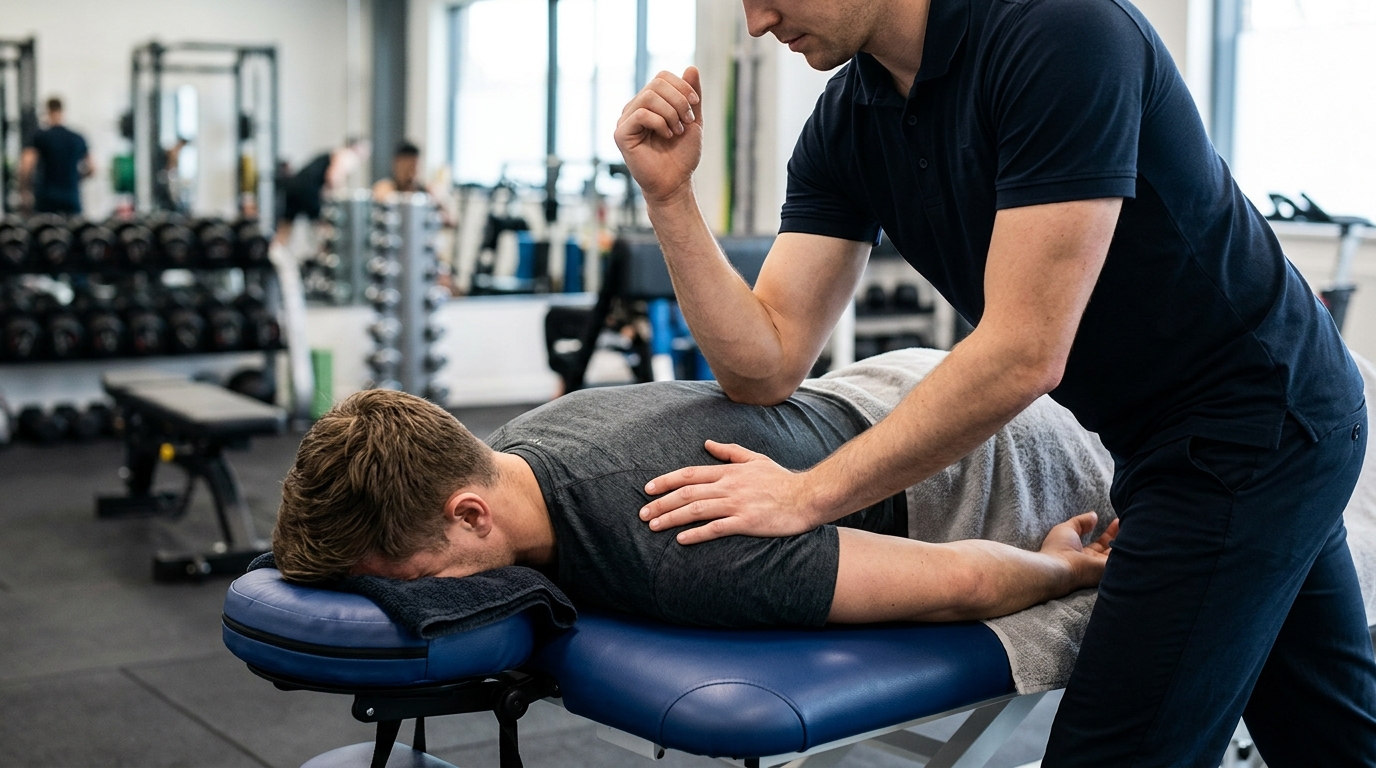
A sports massage therapist focuses on muscles, tendons, and joints affected by repetitive movement or physical strain. Their scope includes assessing tight areas, applying targeted hands-on pressure, and helping tissue recover after exertion. This differs from a general relaxation service, since the goal here is functional recovery through direct manual work, not passive support.
Daily work often involves evaluating range of motion, identifying trigger points, and adjusting technique based on activity type. Someone training for a marathon needs different care than a weekend hiker with tight hips. Many providers also track soreness patterns over multiple visits, refining pressure and focus areas as the body adapts. This kind of hands-on assessment and treatment is a licensed sports massage therapist’s job, not something Anmowell’s equipment-based sessions are designed to replicate.
Most therapists complete 500 to 1,000 hours of accredited training covering anatomy, kinesiology, and injury assessment. States typically require passing a licensing exam, such as the MBLEx, before practicing legally in 2026. Specialized sports certifications add extra coursework in stretching protocols and recovery timing for athletes.
Continuing education keeps skills current, since techniques and research evolve. That certification path is specific to hands-on sports massage practice. Anmowell’s team is trained differently: staff are versed in operating Wave Table Therapy and Sonic Table Therapy equipment safely, understanding session settings, timing, and the contraindications that determine who should check with a doctor before booking. It’s a different skill set built around a different service.
A licensed sports massage therapist addresses specific performance or recovery goals through direct manual work — think firm pressure on hamstrings before a race, or manual stretching after a long training block. If you’re managing an athletic injury or need clinical hands-on recovery care, that’s the right provider to book with.
If your goal is general muscle relaxation between training sessions, without deep manual manipulation, Anmowell’s Wave Table Therapy, Sonic Table Therapy, and Handheld Massage offer a different route: mechanical wave motion, sonic vibration, and light targeted handheld work in a 45-minute, clothed session. Many people compare options at a best massage spa fort lee nj before choosing between hands-on sports massage and a wave-and-sonic session.
It’s also worth understanding hydromassage benefits if you’re comparing water-jet beds to dry wave and sonic tables — they’re different equipment categories, and Anmowell’s tables use dry, table-based vibration and rolling motion rather than water jets.
Every visit starts with a short conversation. Staff ask about your goals, any medical conditions, recent injuries, or ongoing treatment, since these matter for safety on the tables. This takes about five to ten minutes and shapes the session. If you’re new to this, read first visit what to expect before arriving, since it explains intake forms and what to wear.
Anmowell does not give medical advice, and every guest with a medical condition, recent injury, or ongoing treatment is asked to check with their doctor before booking. Guests who are pregnant or trying to conceive, who have a pacemaker or other implanted electronic device, a known blood clot or clotting disorder, recent surgery, fracture, or joint replacement within six months, or conditions such as severe osteoporosis, acute hernia, retinal detachment, epilepsy, active cancer, uncontrolled heart disease, or acute inflammation should not use the Sonic Table. Guests with uncontrolled high blood pressure, glaucoma or raised eye pressure, heart disease, stroke history, recent spinal surgery or disc injury, spinal instability, severe osteoporosis, acute hernia, or vertigo and balance disorders should not use the Wave Table. This conversation happens before anyone gets on a table.
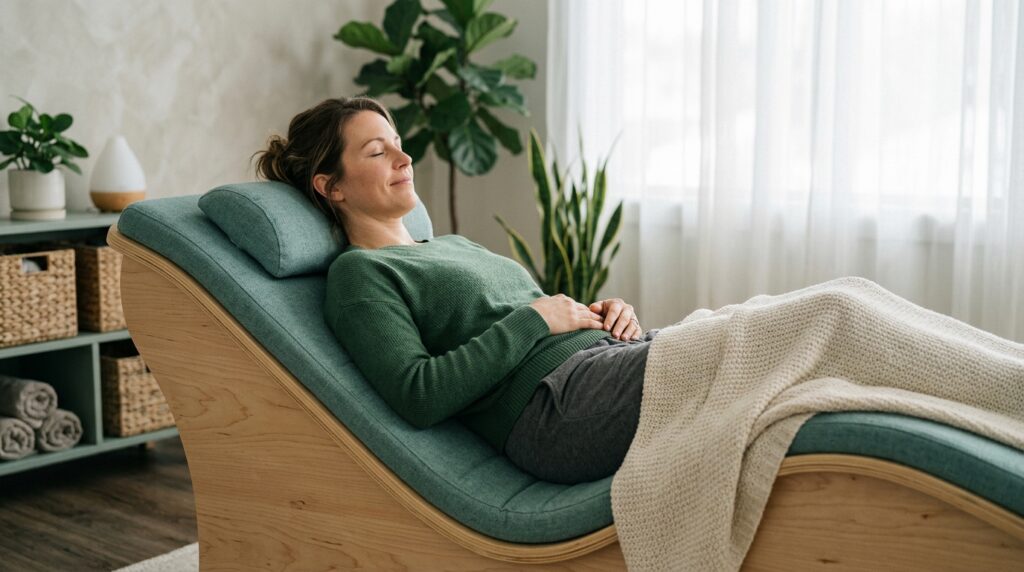
The session moves through three stages across 45 minutes. Guests typically start on the Wave Table, where rolling, inclined motion works larger muscle groups like the back and legs through passive traction. This phase feels rhythmic, not forceful, and involves no hands-on manipulation.
From there, sessions often shift to Sonic Table Therapy, which sends gentle vibration through the table from the feet upward. This is whole-body vibration support, not deep tissue work — it’s a different mechanism entirely, and staff describe it as a comparison point rather than a substitute. Curious readers can check the vibroacoustic therapy guide for a fuller explanation of how sound waves interact with the body. Staff check in throughout, asking about comfort and adjusting settings as needed.
Handheld Massage closes the session, using a handheld massager on the back and shoulders. It’s skipped over any open wounds, rashes, bruises, recent injuries, or areas with a known blood clot, and guests on blood thinners or with a bleeding disorder should check with their doctor first. Because it’s the closing stage of the full session, it isn’t offered as a stand-alone booking for guests who can’t use the tables.
Before you leave, staff may ask how the intensity felt. Expect a short conversation, not a sales pitch.
Most guests feel loose and calm immediately afterward. Staff will also note anything that came up during the session for next time.
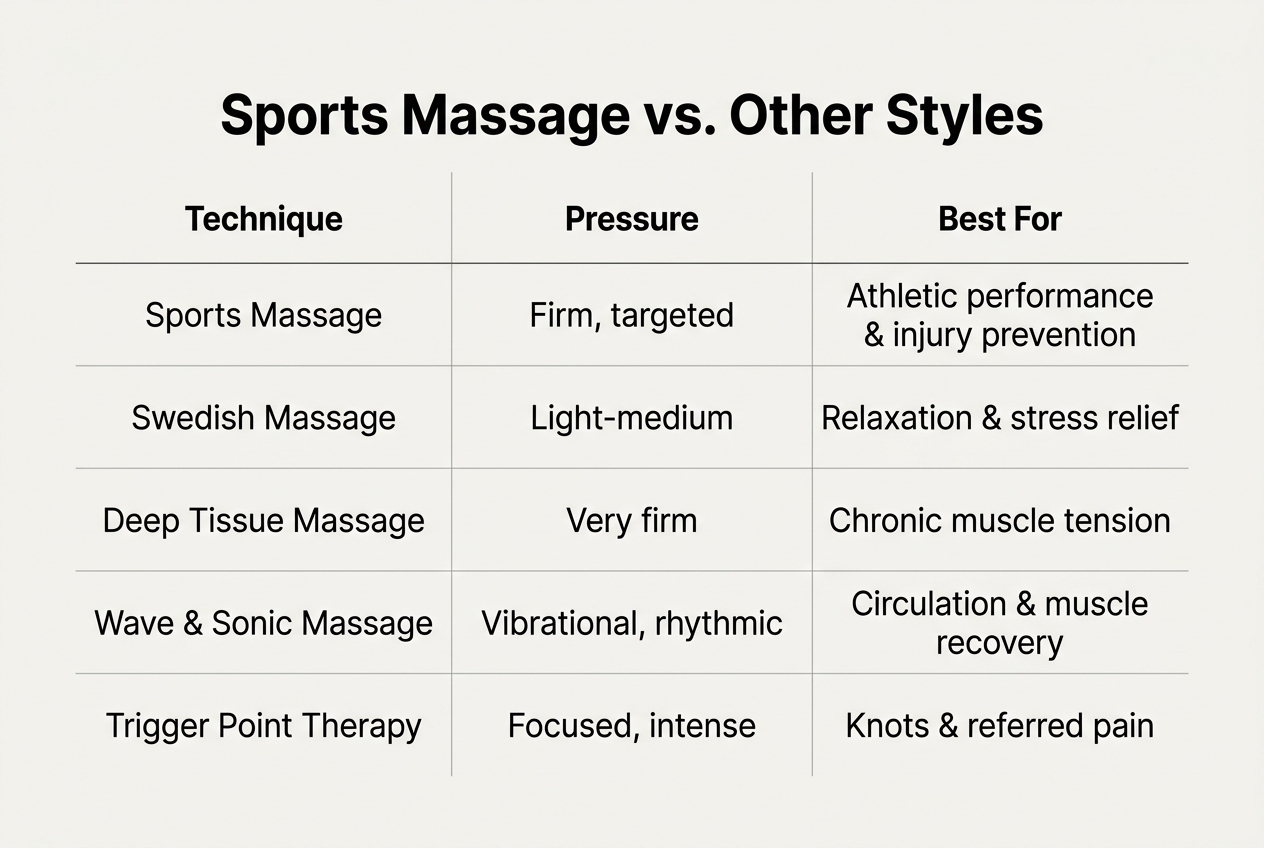
Deep tissue work targets tight muscle layers below the surface through slow, firm, hands-on pressure to release knots. Trigger point work applies targeted pressure to small, sensitive spots that cause pain elsewhere in the body. Both are hands-on specialties that a licensed sports massage therapist or deep tissue therapist provides — Anmowell does not perform deep tissue or trigger point work. What Anmowell offers instead is general muscle relaxation through Sonic Table vibration, which supports circulation broadly rather than targeting a single knot. If your tension shows up as neck or shoulder tightness, this comparison is worth reading in full: massage for neck and shoulder pain.
Stretching improves range of motion and helps muscles work together more efficiently; it’s typically guided by a hands-on therapist, whether through a sports massage session or Thai-style assisted stretching. Myofascial release, a hands-on technique that loosens the fascia surrounding muscles, is a different specialty entirely and isn’t something Anmowell provides. The closest comparison on Anmowell’s side is the Wave Table’s inclined, passive traction, which stretches the body gently through positioning and motion rather than a therapist’s hands working the fascia directly. It’s a different mechanism, not a substitute.
Percussive hands-on methods use quick, tapping motions to wake up muscles and boost blood flow, delivered by a trained therapist. Anmowell’s tables work differently, using consistent mechanical and sonic patterns rather than a therapist’s hand movements.
Anyone interested in the hands-on side of this work, including sports massage as a career path, will want to look at licensed training programs rather than wave and sonic equipment, since the two are built on entirely different skill sets.
Both styles use firm, manual pressure delivered by a trained therapist, though the goal differs. Deep tissue work targets chronic muscle knots anywhere on the body. Sports-focused work targets areas tied to movement and athletic performance, like hamstrings, calves, and shoulders. Pacing also differs: deep tissue sessions often move slowly through one problem area, while a sports-style session moves faster, covering more muscle groups tied to activity. Anmowell does not offer either service; both require a hands-on, licensed therapist.
Relaxation-focused hands-on massage, like Swedish massage, uses light to medium pressure and direct skin contact, typically with oils. Sports massage uses firmer hands-on pressure focused on function and recovery speed. Anmowell’s 45-minute Wave and Sonic Table session offers a genuinely different format for anyone who wants a no-disrobing, no-hands-on option: guests stay clothed, lie on the tables, and let mechanical wave motion and vibration do the work instead of a therapist’s hands. It’s not a substitute for either style of manual massage — it’s a separate category built around passive, equipment-based relaxation.
Manual therapy depends entirely on a therapist’s hands, strength, and technique. Anmowell’s tech-based sessions apply consistent settings through mechanical and acoustic vibration, which reduces variability between visits since the equipment, not a person’s stamina, sets the pressure. The table below compares four key factors as they stand in 2026.
| Factor | Deep Tissue / Sports Massage | Relaxation Massage | Anmowell Wave/Sonic Session |
|---|---|---|---|
| Typical pressure | Firm to intense, hands-on | Light to medium, hands-on | Adjustable, machine-set vibration |
| Session length | 60-90 minutes | 60 minutes | 45 minutes |
| Primary goal | Break up chronic tension / athletic recovery | Reduce stress | General relaxation and circulation support |
| Who provides it | Licensed hands-on therapist | Licensed hands-on therapist | Anmowell staff operating table equipment |
| Best for | Old injuries, tight muscles, athletic training loads | Everyday stress, no deep pressure needed | Busy schedules, clothed and non-invasive preference |
Choosing between these options depends on your goal, pressure tolerance, and available time. Readers wanting a broader overview of the equipment-based side can review this wave and sonic massage therapy guide before booking a session.
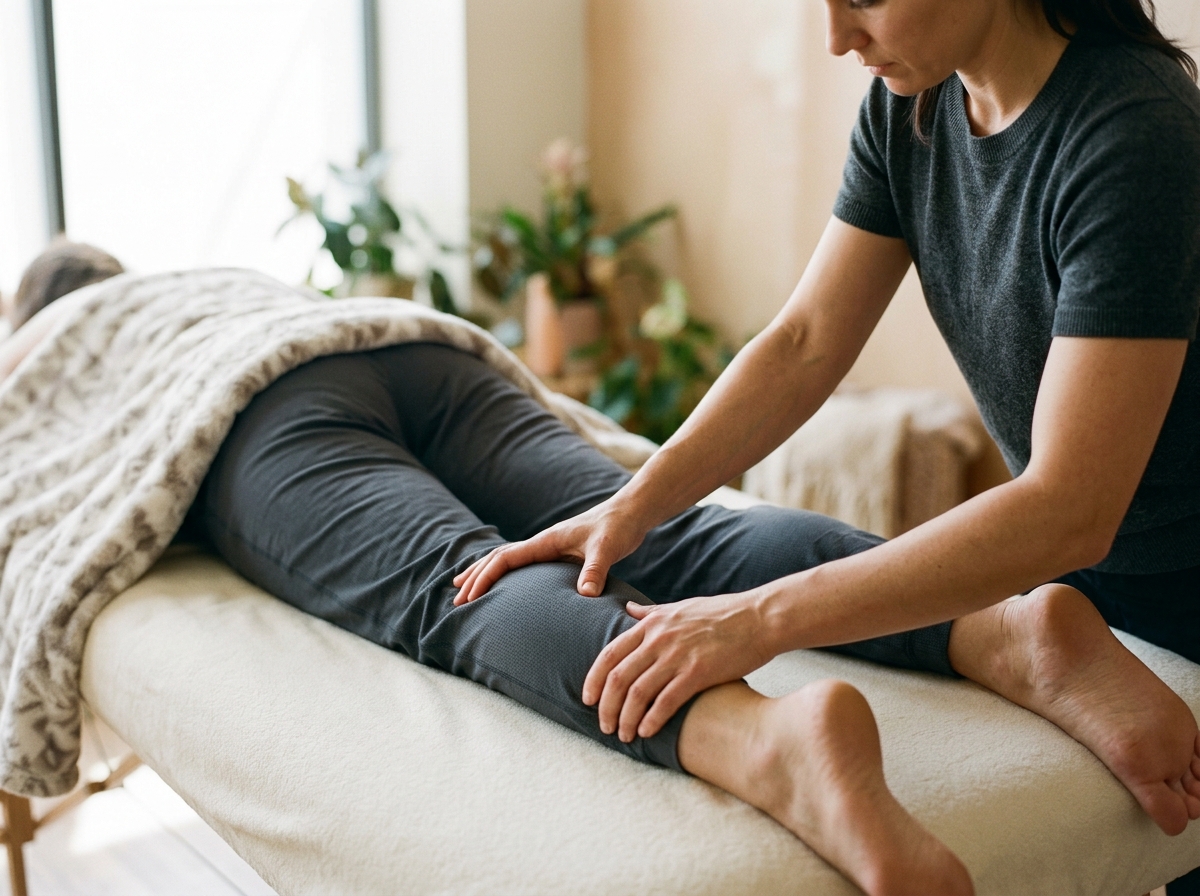
Regular sessions on the Wave Table or Sonic Table can support blood flow to tired muscles through mechanical motion and vibration. This is a circulation benefit, not a lymphatic one — the tables move blood flow, but manual lymphatic drainage is a distinct, clinical hands-on technique performed by trained therapists to move lymph fluid specifically, and Anmowell’s tables don’t perform that function. Readers wanting to understand the difference can review lymphatic drainage massage benefits alongside what vibration-based circulation support offers. Used consistently between training days, this circulation support may help muscles feel less sluggish day to day.
Tight muscles limit movement, and a session can help muscles feel less restricted through passive vibration and inclined traction, rather than active stretching or joint manipulation. This matters whether you play weekend soccer or just want daily stiffness to feel less nagging. What a session is designed to offer:
Relaxation is the core benefit Anmowell’s sessions are built around. Anmowell makes no sleep claim for its tables. This is a wellness and relaxation benefit, not a medical treatment claim — anyone managing a diagnosed sleep or health condition should talk with their doctor first.
Recreational runners, weekend cyclists, and gym regulars often deal with tight muscles and slow recovery. A person training for a 10K a few times a week builds tension in the calves and hips even without competing. Regular Wave and Sonic Table sessions can offer a between-training recovery option that supports general relaxation and circulation — but this is a recovery aid, never a substitute for sports massage itself, and never positioned as treatment for an athletic injury. Anyone managing an actual training injury should see a licensed sports massage therapist or clinician.
Long hours at a desk create a specific pattern of tightness: tense shoulders, a stiff neck, and a lower back that aches by mid-afternoon. This isn’t athletic soreness — it’s repetitive strain from sitting still for eight or more hours a day.
The Wave Table and Sonic Table stages address this kind of general tightness gently, without the firm, targeted pressure that deep tissue or sports massage would apply. It’s a lower-intensity, non-manual option for someone who wants relief without deep manual work. Many clients build a simple massage self care routine around these sessions to manage daily tension.
Anmowell asks guests who are pregnant or trying to conceive to check with their doctor before booking, and does not offer the Sonic Table for pregnant guests; the Wave Table is also not offered to pregnant guests. This isn’t a gentler-setting situation — pregnancy is a listed contraindication for both tables, full stop. A licensed prenatal massage therapist, trained specifically in pregnancy-safe hands-on technique, is the right choice during pregnancy.
The same caution applies in the early postpartum weeks. Anmowell asks guests to check with their doctor before booking during this period rather than treating a session as recovery care after delivery.
For older adults managing joint stiffness, note that the Handheld Massage stage covers the back and shoulders only and is not offered on its own. Severe osteoporosis, a fracture or joint replacement in the last six months, or another listed condition rules out one or both tables, so check the lists above and talk to your doctor first.
Mild tenderness after a Wave or Sonic Table session is a normal response for some guests, not a warning sign. The vibration and rolling motion stimulate circulation and can surface tension in areas that don’t usually get attention, which can leave muscles feeling worked even though nothing was manually manipulated.
Think of it like a light workout. Tissue gets stimulated and the nervous system settles afterward. Handheld Massage on tighter spots can add to this feeling briefly. Guests often compare it to the day after light exercise: a dull, general ache rather than sharp pain.
Most tenderness fades within 24 to 48 hours. Many guests notice it easing by the next morning, especially after a 45-minute session built around relaxation rather than firm manual work.
General tenderness stays dull and improves daily. Sharp pain, swelling, bruising, or discomfort that worsens instead of fading isn’t typical, and isn’t something to push through — that’s a signal to stop and check with a doctor.
Simple aftercare helps: gentle movement, a warm shower, light walking, and staying hydrated. Some guests also pair sessions with massage for stress relief techniques at home to ease any residual tension.
Reach out if tenderness lasts beyond three days, feels sharp rather than dull, or comes with swelling. Staff can adjust settings for future sessions, but Anmowell does not diagnose or treat injuries — for anything beyond normal post-session tenderness, a doctor or licensed clinician is the right next step.
Hands-on sports massage and deep tissue sessions often run 60 to 90 minutes, with pressure that can feel intense depending on the therapist and technique. Anmowell’s wave and sonic sessions run 45 minutes across three stages, using calibrated vibration and mechanical motion instead of manual force. Read more on soft wave therapy how it works benefits for context on vibration-based mechanics — note that this is a distinct technology from acoustic wave therapy or shockwave therapy used in some clinics, which relies on focused acoustic pulses for a different clinical purpose. Anmowell does not offer acoustic wave or shockwave therapy.
The table below breaks down key differences guests notice right away, updated for 2026 session standards.
| Feature | Hands-On Sports/Deep Tissue Massage | Anmowell Wave/Sonic Therapy |
|---|---|---|
| Primary tool | Therapist’s hands, elbows, forearms | Wave Table, Sonic Table |
| Typical session length | 60–90 minutes | 45 minutes |
| Pressure control | Variable, manual, therapist-dependent | Consistent, machine-set |
| Skin contact | Direct, often oil-based | Clothed, non-invasive |
| Closing stage | N/A | Handheld Massage on the back and shoulders, included |
Because Anmowell’s tables are clothed and non-invasive, some guests who prefer to avoid deep manual kneading find the format more comfortable for general relaxation. That said, non-invasive doesn’t mean risk-free for everyone: guests with any of the listed contraindications for the Sonic Table or Wave Table, including pregnancy, implanted devices, recent surgery, or certain cardiovascular or spinal conditions, should not book those tables, and should talk to their doctor rather than assume the tables are automatically gentler for their situation.
Real progress shows up in specifics, not just feelings. After a Wave Table or Sonic Table session, note concrete changes instead of a vague “I feel better.” Try comparing how relaxed or loose you feel, week to week.
Anyone managing an athletic training injury or tracking rehab-specific measures, like range of motion after an injury, should be working with a licensed clinician or sports massage therapist rather than relying on table sessions to gauge medical progress.
A short journal makes patterns easy to see. Write a few lines after each visit, noting which stage helped most, whether it was Handheld Massage or a full table session. Over weeks, this record becomes a useful reference for spacing out future visits.
Pick small, honest goals instead of chasing instant results. Maybe it’s feeling less tense after a workday, or falling asleep faster most nights. Many people searching for massage wellness near you bergen county start with this kind of simple planning, building a rhythm around what actually fits their week.
Before you book anywhere, ask a few direct questions. What does a typical session involve? How long does it run? Is the approach hands-on or equipment-based? A good provider answers clearly, without vague promises. Checking Anmowell’s reviews beforehand also helps you understand what past guests actually experienced.
If you need hands-on sports massage, look for a therapist’s license, certifications, and experience with your specific concern — a training injury, chronic tightness, or pre-event prep. If you’re considering Anmowell’s tables instead, ask staff how they handle contraindications and adjust settings, since that’s the relevant expertise for equipment-based sessions.
Some guests want general relaxation without deep manual pressure. Anmowell’s tables use guided rolling motion and sonic vibration instead of hands-on force, which some guests find suits sore, tired muscles or a preference to stay clothed throughout.
| Option | Contact Level | Typical Duration Within Session | Best For |
|---|---|---|---|
| Wave Table Therapy | None (inclined rhythmic motion) | 30 minutes | General back tension, first-time visitors |
| Sonic Table Therapy | None (vibration-based) | 10 minutes | Circulation support, general relaxation |
| Handheld Massage | Light to moderate | 5 minutes | Back and shoulders (closing stage only) |
| Hands-On Sports/Deep Tissue Massage | Firm, hands-on | 45–60 minutes | Athletic recovery, deep muscle work (available elsewhere, not at Anmowell) |
Comparing formats this way makes the choice clearer. Choose the level of contact and the goal that matches your situation, not just what sounds popular, and check the contraindications above before booking.
Arrive in loose, comfortable clothing since sessions are fully clothed. Most Wave and Sonic sessions involve lying on a specialized table, so avoid a heavy meal right beforehand — a light snack and water an hour or two prior works better.
Skip intense workouts right before your visit. Muscles respond better when they aren’t already fatigued. Mention any medical condition, recent injury, surgery, or ongoing treatment during check-in, even minor ones — this is how staff determine whether the tables are appropriate for you that day, per the contraindications on file.
Drink water as you normally would.
Keep activity light for a few hours. A short walk is fine, but hold off on heavy lifting or high-intensity training until the next day. Mild tenderness is normal; for ongoing discomfort, resources on vibration massage back pain relief offer useful context on what to expect.
How often to book is up to each guest, and every session combines Wave Table Therapy, Sonic Table Therapy, and Handheld Massage as the closing stage.
Track how your body responds after each session and adjust frequency accordingly. It remains a wellness routine, not a substitute for medical or sports-specific rehab care.
For hands-on sports massage, frequency depends on training load — some athletes go weekly during heavy training blocks, tapering off during lighter periods, based on their therapist’s recommendation. For Anmowell’s Wave and Sonic Table sessions, there is no set schedule; how often to book is each guest’s choice.
A first-time Anmowell visitor can start with the $38 first session and decide from there.
For hands-on sports or deep tissue massage, firm pressure is part of the technique, though a skilled therapist adjusts intensity to your tolerance and never aims for pain itself. For Anmowell’s tables, sessions aren’t built around intensity at all — the Wave Table’s rolling motion and the Sonic Table’s vibration work through consistent, machine-set settings rather than deep pressure. Guests often leave a 45-minute session feeling loose and calm, not worked over. If a hands-on session ever feels sharp or unbearable, that’s worth flagging to the therapist immediately.
Coverage varies. Some health insurance plans still reimburse sports massage when a doctor prescribes it for a diagnosed injury, while wellness-focused sessions, including Anmowell’s, typically fall outside standard medical coverage. IRS Publication 502 does not count expenses that are merely beneficial to general health as medical care, so do not assume a wellness visit qualifies for HSA or FSA funds; check with your plan administrator.
Before booking anywhere, ask what payment options are accepted. Comparing pricing across equipment-based options is smart too; guides like this hydromassage chair price overview can help you understand typical rates for wave, sonic, and water-jet equipment sessions before committing to a package. Note that hydromassage (water-jet beds) and Anmowell’s dry Wave and Sonic Tables are different equipment categories worth comparing directly if you’re deciding between them.
Ultimately, the right choice comes down to what your body needs and what your day allows: hands-on sports massage from a licensed therapist offers deep, targeted manual work for athletic recovery and training injuries, while Anmowell’s 45-minute Wave Table, Sonic Table, and Handheld Massage session offers a clothed, non-manual alternative built around general relaxation and circulation support between workouts. It’s worth asking whether you’re chasing firm, hands-on manipulation for a specific training need or simply a way to unwind without disrobing — and whether any recent injury, pregnancy, or medical condition means a conversation with your doctor should come first. Neither option replaces the other, so weigh the goal, not just the convenience.
Temporary closure
The studio is closed while our team is away. You are welcome to book ahead for after we reopen.
Thank you for your patience. See you soon.