How clinician-led physical therapy massage works, when you need a licensed clinician, and how Anmowell’s Wave and Sonic Table sessions differ.


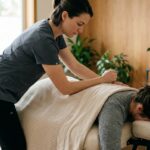
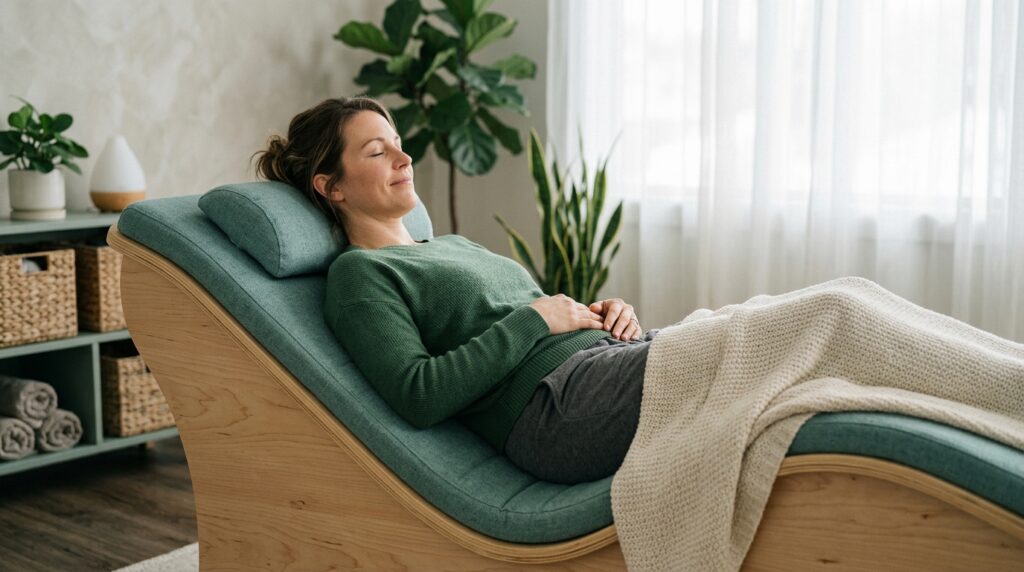


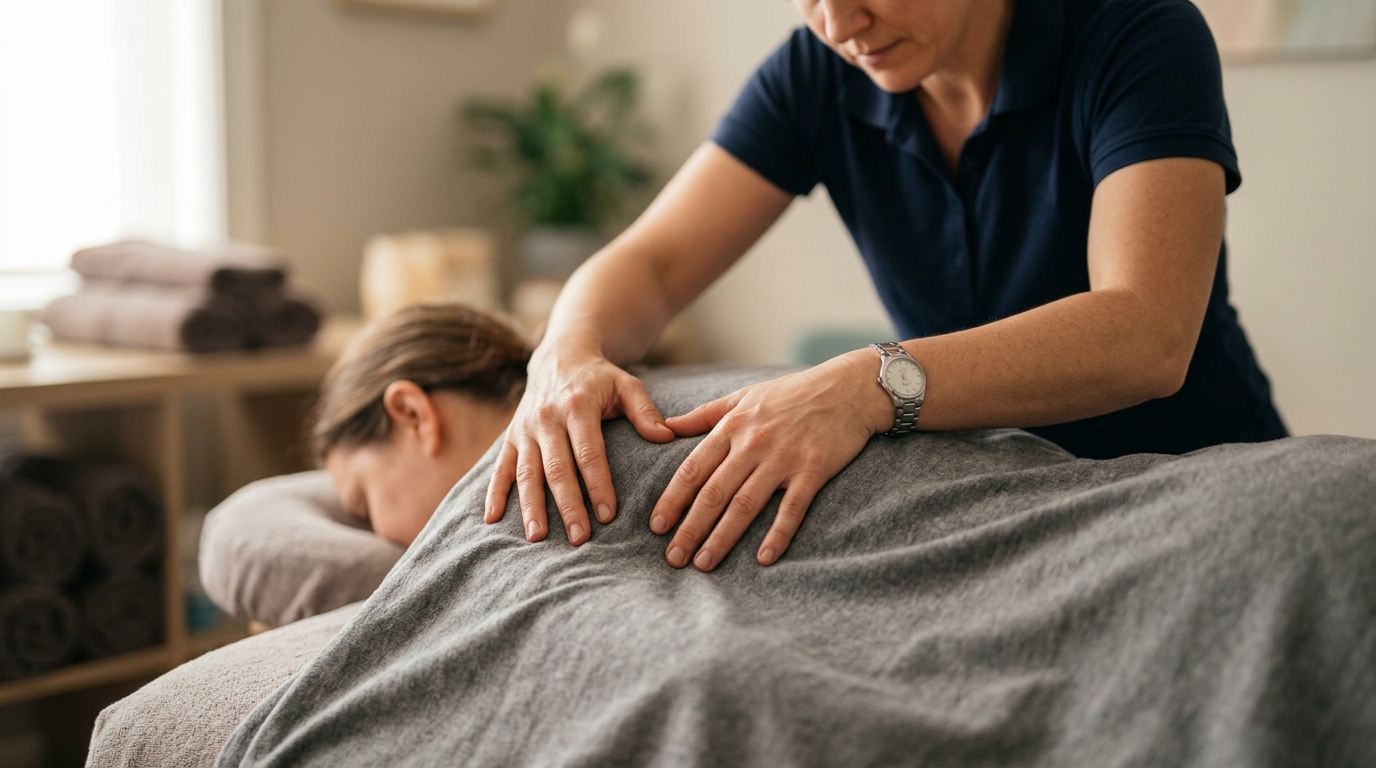
Chronic pain, post-surgical stiffness, or a nagging injury that just won’t fully heal—these are the frustrations that send millions of people looking for answers beyond a quick fix. “Physical therapy massage” is the term many people search for when they mean clinician-led, clinical massage aimed at rehabilitation—work performed by a licensed physical therapist or a massage therapist trained in medical massage, not a spa or wellness service. Anmowell does not provide physical therapy, clinical massage, or any form of medical treatment. What Anmowell offers instead is Sonic Table Therapy, Wave Table Therapy, and Handheld Massage—wellness tools that some guests use alongside their clinician’s care to support circulation, ease everyday muscle tension, and build a relaxation routine between appointments. This 2026 guide explains how clinical physical therapy massage works, when you need a licensed clinician instead of a wellness visit, and how Anmowell’s wave and sonic technology fits as a different kind of support, not a substitute for treatment.
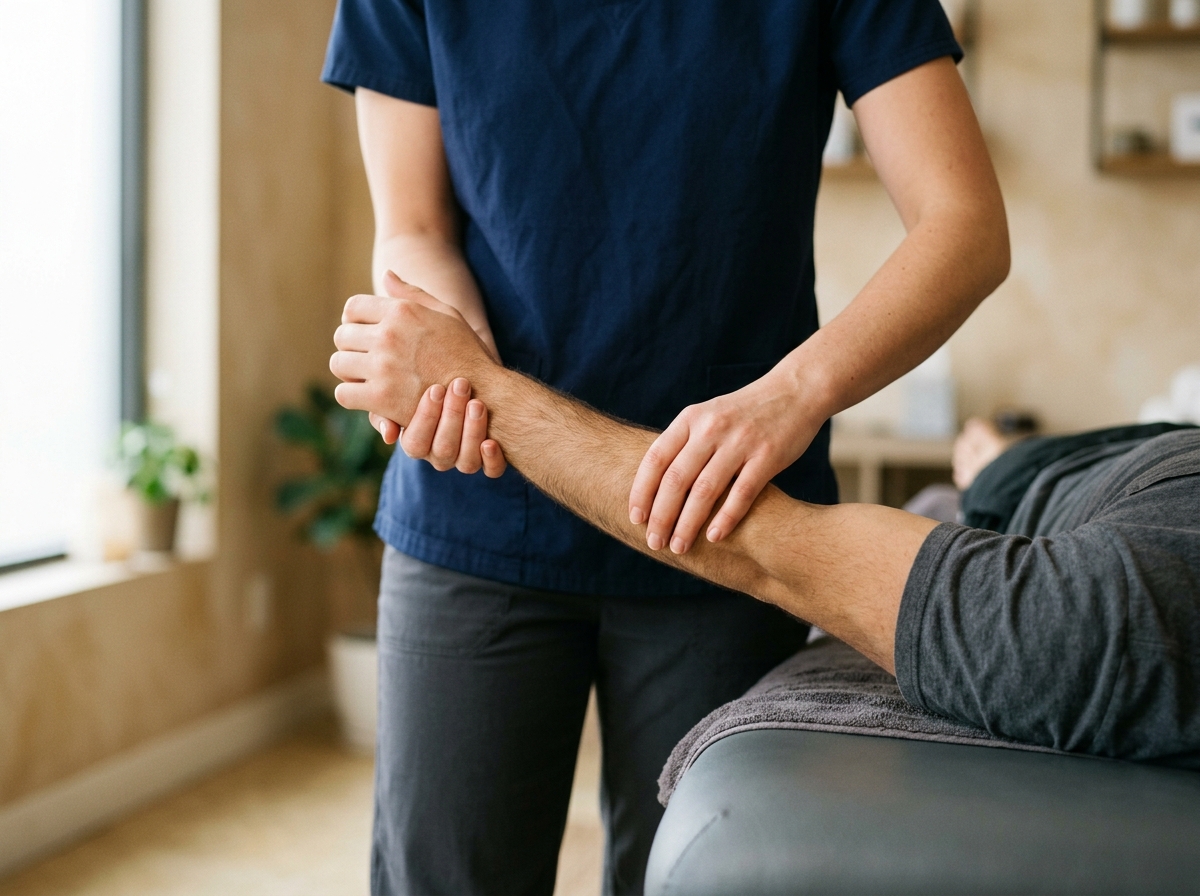
Most people picture two options: a clinical stretch-and-strengthen session led by a physical therapist, or a relaxing spa rubdown. Clinical physical therapy massage sits closer to the first: it is hands-on, diagnosis-driven work performed by a trained clinician as part of a treatment plan, and it belongs in a clinic, not a wellness studio. Anmowell is not that clinic. It offers a separate, non-clinical path: guided relaxation through wave and sonic technology, with no diagnosis, no treatment plan, and no hands-on manipulation of injured tissue.
A typical Anmowell visit unfolds in stages, but they are wellness stages, not rehab stages. A Wave Table Therapy phase uses gentle inclined traction and rolling motion to encourage relaxation. A Sonic Table Therapy phase adds whole-body vibration. A Handheld Massage phase, the closing stage of the session, gives light attention to the back and shoulders. None of these stages diagnose, treat, or replace a physical therapy plan.
This layered method is explained in more detail in a full wave and sonic massage therapy guide, which breaks down how each phase supports the next as a wellness experience, not a clinical one.
Clinical physical therapy massage works toward measurable rehab outcomes: restoring range of motion after injury or surgery, correcting movement patterns, and treating a diagnosed condition under a clinician’s supervision. Anmowell’s tables work toward a narrower, non-clinical set of goals: easing everyday muscle tension, supporting circulation, and helping the body relax after a long day. These are wellness goals, not treatment goals, and Anmowell does not position them as a substitute for care from a licensed clinician.
For readers curious about the mechanics behind the wave phase specifically, the wave massage guide takes a closer look at how the gentle motion supports relaxation and circulation.
Your body relies on four main soft tissues. Muscles contract and pull on bones to create movement. Fascia is the thin webbing that wraps around muscles, holding everything in place like plastic wrap around a bundle of straws. Tendons connect muscle to bone, while ligaments connect bone to bone at joints.
Each tissue behaves differently under stress. Muscles fatigue and tighten. Fascia can thicken and stick together when it isn’t stretched or moved—hands-on myofascial release work targets exactly this, using sustained pressure to help fascia glide again. Anmowell does not offer myofascial release; whole-body vibration on the Sonic Table works differently and should not be equated with fascia-focused hands-on technique. Tendons and ligaments get less blood flow, so they heal slowly after strain. Understanding these differences explains why some aches fade fast while others linger for weeks.
Tension rarely stays in one spot. A tight calf muscle can change how you walk, shifting stress to your knee or lower back. Over months, this pattern can create compensation injuries far from the original problem area.
Old injuries often leave behind scar tissue or adhesions—small areas where fascia sticks to muscle instead of gliding freely. This limits range of motion and can make simple tasks, like reaching overhead or turning to check a blind spot, feel stiff. A licensed clinician is the right person to evaluate and treat adhesions directly. Reading soft wave therapy how it works benefits explains how Anmowell’s vibration technology differs from acoustic wave therapy and from hands-on fascia work, and where it fits as general relaxation support instead.
Certain signals suggest your soft tissues need care. Persistent stiffness lasting more than a few days, uneven muscle tightness on one side, or joints that pop and ache during normal activity are common warning signs.
Reduced flexibility compared to last year, frequent headaches from neck tension, or nagging pain that returns after brief relief all point to built-up tissue tension. When these patterns show up, a licensed physical therapist or a clinician trained in medical massage is the right first call for an evaluation. Catching them early leads to better, faster outcomes.
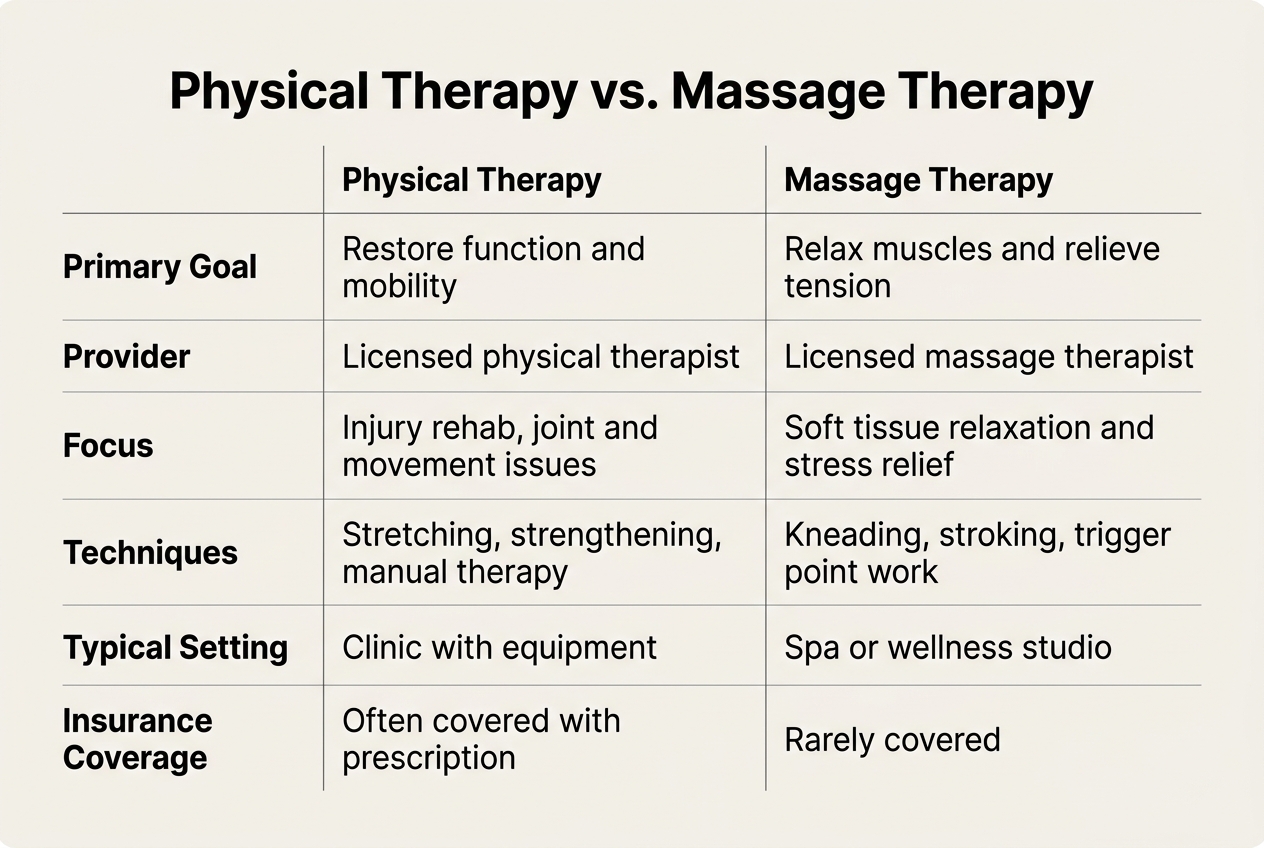
Physical therapists complete a doctoral program and pass a state licensing exam. Massage therapists complete a certificate program, often 500-1000 hours, then earn state or national certification. Both are trained professionals. But their scope of practice differs quite a bit, and that shapes what each one can legally treat. Neither role describes what happens at Anmowell: the Wave Table, Sonic Table, and Handheld Massage are wellness tools operated as an alternative to hands-on clinical or spa massage, not a substitute for either license.
| Factor | Physical Therapist | Massage Therapist |
|---|---|---|
| Education | Doctoral degree (3 years) | Certificate program (6-12 months) |
| License required | Yes, state board exam | Yes, varies by state |
| Can diagnose injuries | Yes | No |
| Primary goal | Restore function, mobility | Reduce tension, promote relaxation |
| Typical setting | Clinic, hospital | Spa, wellness center |
Physical therapists build exercise plans, correct movement patterns, and treat diagnosed conditions. Massage therapists focus on hands-on soft tissue work, including modalities like deep tissue and trigger point technique. Anmowell offers neither hands-on modality; instead, its Wave Table, Sonic Table, and Handheld Massage give guests a no-disrobing, tool-based alternative for easing everyday tension, positioned separately from clinical or classic spa massage rather than as a version of either.
Choose a physical therapist for injury recovery or diagnosed conditions. Choose a licensed massage therapist for hands-on stress relief, targeted tension work, or techniques like lymphatic drainage massage benefits, which is a clinical, hands-on technique performed by trained therapists to move lymph—something Anmowell does not offer. Guests looking for general circulation support between those appointments sometimes add a Wave or Sonic Table session, understanding that vibration supports blood flow differently than manual lymphatic drainage moves lymph fluid.
Every Anmowell appointment starts with a short conversation, not a clinical exam. A staff member asks about general comfort preferences and checks for any of the contraindications on file, since the Wave Table and Sonic Table are not appropriate for every guest. This step helps staff confirm the tables are appropriate for you. If you want a preview, the guide on first visit what to expect covers common questions new guests ask.
The intake takes about 5 to 10 minutes and is a wellness screening, not a diagnostic assessment. Anmowell does not give medical advice, and any guest with a medical condition, recent injury, or ongoing treatment is asked to check with their doctor before booking.
This stage matters most for first-time visitors. Knowing what happens next reduces nerves. Many guests say the intake alone makes them feel more comfortable before the session even begins.
A typical session runs about 45 minutes and moves through three stages. It often opens with Wave Table Therapy, which uses gentle inclined traction and rolling motion to encourage relaxation along the spine and back. This warms up the body without any hands-on pressure.
Next comes Sonic Table Therapy, using vibration that travels from the feet upward. This stage is not deep tissue work, and it should not be mistaken for it; the sensation and the mechanism are different. Every session closes with a 5-minute Handheld Massage on the back and shoulders.
Throughout the session, you stay fully clothed and relaxed on the table. There’s no hands-on manipulation and no pressure to talk. The non-invasive design keeps the experience calm from start to finish.
Most guests feel loose and refreshed right away. Drinking water afterward is a sensible habit. Light stretching that evening can help extend the feeling of ease.
Avoid intense exercise for a few hours. Rest lets your muscles settle. Mild soreness is uncommon but can happen and usually fades within a day.
Many people wait too long before addressing body pain. Learning to recognize the signs early can save weeks of discomfort. A simple self-assessment often reveals more than expected. The list below describes everyday situations where general relaxation support may help; it is not a list of conditions Anmowell treats.
If the everyday items on this list sound familiar and none of the contraindications below apply to you, it may be time to build a massage self care routine into your week using Anmowell’s table-based services.
Some symptoms deserve quicker attention. Sharp pain, numbness, or swelling that lasts more than a few days signals something deeper. Reduced range of motion or pain that worsens with rest, not activity, is another red flag. In these cases, a licensed physical therapist or a clinician trained in medical massage is the right person to see. Anmowell asks any guest managing an active injury or medical condition to check with their doctor before booking a Wave Table, Sonic Table, or Handheld Massage session.
Researchers have studied clinical massage for decades, and the evidence is mixed. According to the National Center for Complementary and Integrative Health, massage may help neck and shoulder pain for a short time, has only weak evidence for low-back pain, improved fibromyalgia pain when continued for at least five weeks, and shows inconsistent results for headaches. This research describes clinical and hands-on massage; Anmowell does not perform hands-on clinical massage and makes no equivalent pain-treatment claim for its tables.
The mechanism researchers describe involves more than comfort. Pressure appears to interrupt pain signals traveling to the brain, a concept called gate control theory. Separately, rhythmic mechanical input, like the motion on a Wave Table, is of interest to wellness users for general relaxation, though this is a different claim than clinical pain treatment and Anmowell does not present it as one.
Studies also note a psychological component in clinical settings: lower stress hormones during treatment line up with lower reported pain scores, suggesting relaxation itself contributes to relief. Guests exploring Anmowell’s wave and sonic sessions often describe a similar sense of calm, understood as a wellness benefit rather than a clinical outcome.
Blood flow research offers another data point. Findings on blood flow are mixed: one study found massage after strenuous exercise reduced muscle blood flow and slowed lactic acid removal. This matters for recovery from everyday soreness and stiffness, though significant injuries still call for clinical care.
Whole-body vibration, the mechanism behind the Sonic Table, is believed to support circulation through gentle mechanical input, an idea explored further in this piece on massage for better circulation. This is a circulation-support claim, not a lymph-drainage claim: manual lymphatic drainage is a separate, clinical hands-on technique performed by trained therapists to move lymph fluid specifically, and Anmowell’s tables do not perform or replace that technique. Combined with general relaxation benefits like a lower heart rate and reduced everyday muscle tension, the research on vibration and circulation supports Anmowell’s tables as a wellness option, not a medical one.
Chronic pain that has lasted months or years needs a clinician’s steady, diagnosis-led approach; it is outside the scope of what any wellness table can address. For everyday muscle tightness that is not a diagnosed condition, rhythmic wave motion may offer some ease, and vibration massage back pain relief explains how that mechanism works and where its limits are. Any pain that has lasted for months deserves a clinician’s evaluation first.
Fibromyalgia causes widespread tenderness, and firm pressure can backfire even in clinical hands-on settings. Anyone managing fibromyalgia should work with a licensed clinician to design an appropriate care plan; Anmowell does not diagnose or treat fibromyalgia, and any guest with this or a similar condition should check with their doctor before booking a table session. Anmowell does not change its session for any condition: every guest receives the same three stages, and anyone can speak up at any point if something feels uncomfortable. Anmowell makes no promise of symptom relief.
Tension headaches often start in the neck and shoulders. Anmowell’s Handheld Massage, the closing stage of a session, gives light attention to the back and shoulders. Gentle Wave Table Therapy adds general relaxation, which may ease overall muscle tension. These are wellness measures; recurring or severe headaches deserve a clinician’s evaluation, since neither table nor handheld work targets a single trigger point the way clinical trigger point therapy does.
Chiropractors focus on joints and spinal alignment. They often use quick, targeted adjustments. Massage therapists work differently, focusing on muscles, fascia, and circulation through hands-on technique. Anmowell fits neither category: its Wave Table, Sonic Table, and Handheld Massage are equipment-based wellness services, positioned as an alternative to hands-on modalities, not a version of chiropractic or massage therapy. Knowing this difference helps you pick the right visit for your specific need.
The table below breaks down how these providers typically differ in method and goal.
| Provider Type | Primary Focus | Typical Method | Session Length |
|---|---|---|---|
| Chiropractor | Spinal alignment, joints | Manual adjustment | 15-20 min |
| Massage Therapist | Muscle tension, soft tissue | Hands-on manipulation | 30-60 min |
| Anmowell (Wave/Sonic) | Circulation, relaxation | Wave Table Therapy, Sonic Table Therapy, Handheld Massage | 45 min |
Traditional Swedish-style spa massage centers on hands-on relaxation: a therapist applies pressure by hand, works with oils, and typically asks guests to disrobe partially. This works well for many people but varies by therapist skill and can tire the practitioner over a long shift. Anmowell offers a genuinely different, no-disrobing, no-hands-on alternative: a 45-minute Wave and Sonic Table session delivers a consistent relaxation experience through motion and vibration instead of manual strokes, fully clothed throughout.
Handheld Massage adds a light, tool-based closing stage rather than a hands-on deep tissue or trigger point finish. If you’re searching for massage wellness near you bergen county, ask any provider directly whether their service is hands-on or equipment-based, since the experience and the goals differ.
A Wave Table uses gentle mechanical motion and inclined traction to work along the spine and major muscle groups. The bed offers a rolling sensation without any hands-on pushing, twisting, or assisted stretching—it is a different experience from Thai massage, which relies on a therapist’s hands-on stretching, and Anmowell does not offer that hands-on modality. The Wave Table gives guests a passive alternative for a similar sense of length and ease along the back.
The motion warms tissue gradually and supports blood flow to areas that feel tight or stiff. For a deeper look at how Anmowell’s mechanical technology differs from clinic-based acoustic wave therapy—a separate technology using focused acoustic pulses for clinical purposes, which Anmowell does not offer—see this acoustic wave therapy guide, which explains the distinction plainly.
Because the pressure stays consistent and controlled, sessions feel predictable. Anmowell asks guests who are pregnant, who have uncontrolled high blood pressure, glaucoma or other raised eye pressure, heart disease or a history of stroke, who have had spinal surgery, a spinal fracture, or a disc injury in the last twelve months, or who have spinal instability, severe osteoporosis, an acute hernia, or vertigo and balance disorders, to check with their doctor before booking, and the Wave Table is not offered to guests in these situations.
The second stage uses a Sonic Table, which adds whole-body vibration to the relaxation experience. This is not deep tissue work and should not be compared to it directly; the mechanism, sensation, and goal are different from firm hands-on pressure. The goal here is general relaxation and circulation support, not targeted deep-muscle treatment.
Sonic vibration may support circulation, which can help muscles feel more at ease after a long day or between workouts—positioned as a between-training recovery option, never as sports massage, which is hands-on, recovery-focused work performed by a trained therapist. Every session finishes with a 5-minute Handheld Massage on the back and shoulders.
Anmowell asks guests who are pregnant or trying to conceive, who have a pacemaker, defibrillator, or other implanted electronic device, who have a known blood clot, deep vein thrombosis, or a clotting disorder, who have had surgery, a fracture, or a joint replacement in the last six months, or who have severe osteoporosis, an acute hernia, retinal detachment, epilepsy or a seizure disorder, an active cancer diagnosis, uncontrolled heart disease, or acute inflammation, to check with their doctor before booking, and the Sonic Table is not offered to guests in these situations.
The full three-stage process—wave, sonic, and handheld work—fits neatly into 45 minutes. Each stage builds on the last, so no extra time is wasted. This format has become popular precisely because it respects busy schedules: it works as a lunch-break alternative to a longer hands-on chair or table massage, without cutting corners on the wellness experience itself.
Because the input stays gentle throughout, the body doesn’t need long recovery time afterward. Guests often return to work or errands right away, feeling looser and calmer than before they arrived. Handheld Massage is only offered as the closing stage of a full session; guests who cannot use the Wave or Sonic Table due to a contraindication should not book handheld work on its own as a substitute.
Before booking, think about your goal. Are you managing everyday tension, easing stress, or chasing massage for better sleep? Every session includes Wave Table Therapy, Sonic Table Therapy, and Handheld Massage, so naming your priority mainly helps staff set a comfortable Wave Table intensity. If your goal involves a diagnosed injury, chronic condition, or a recent surgery, the right first step is a conversation with your doctor or a licensed physical therapist, not a booking, and Anmowell’s tables are not offered during pregnancy.
Once your goal is clear, plan the logistics. Small details make a big difference in comfort and results. The table below covers the basics.
| Prep Item | Recommendation | Why It Matters |
|---|---|---|
| Hydration | Drink water as you normally would | Comfort |
| Clothing | Loose, comfortable layers | Beds work through fabric; comfort aids relaxation |
| Meals | Light snack, not a heavy meal | Prevents discomfort during reclined sessions |
| Arrival Time | 10-15 minutes early | Allows time for intake forms and questions |
| Personal Notes | List of any medical conditions or concerns | Helps staff confirm the tables are appropriate for you |
Speak up during the session. Tell staff if the motion or vibration feels wrong or an area needs less focus. Simple feedback keeps each stage comfortable and appropriate for your body. Anmowell does not give medical advice; if a new concern comes up mid-visit, staff will ask you to check with your doctor rather than adjust around it.
One session can ease everyday tension, and how often to come back is up to each guest.
Think of it like a wellness habit rather than a treatment plan: skipping once causes little harm, but a steady rhythm helps small everyday tightness stay small. Some guests track sleep quality or general ease in a simple notebook to spot patterns and fine-tune their schedule.
Budget matters too. Some readers researching this space compare Anmowell’s dry, equipment-based Wave and Sonic Tables with water-jet hydromassage chair price ranges at other providers; the two are different technologies—dry tables versus water-jet beds—so it’s worth comparing the experience, not just the number, before choosing.
Sessions work best paired with daily movement. Ten minutes of stretching after waking, or a short walk after sitting for hours, keeps tissue supple between visits. Wave Table Therapy and Sonic Table Therapy support relaxation, but gentle daily motion helps that ease carry over.
Simple habits make a difference: standing every 30 minutes, rolling shoulders during breaks, or doing light stretching twice weekly. The closing Handheld Massage in every table visit adds focused attention to the back and shoulders.
Frequency depends on your goals. There is no set schedule. Anmowell offers package pricing in 2026, which can lower the per-visit cost for guests planning to attend regularly. It’s also worth understanding how Anmowell’s dry hydromassage benefits comparison holds up against water-jet hydromassage chairs, a different, competing category, so you know exactly which technology you’re booking.
A good provider welcomes questions before you book. Asking upfront helps you avoid surprises and pick the right fit.
Start by checking credentials and equipment quality. Anmowell’s staff should explain how the Wave Table Therapy and Sonic Table Therapy work before you ever lie down, including which contraindications apply. Ask about session length, typical experience, and whether staff can adjust intensity for sensitive areas.
Read reviews carefully. Look for comments about comfort, cleanliness, and staff communication. Anmowell offers introductory pricing for 2026, so compare a few options before committing. If you’re curious about the science behind the equipment, this vibroacoustic therapy guide breaks down how sound and vibration differ from acoustic wave therapy and from hands-on soft tissue work.
Arrive fifteen minutes early. This gives you time to complete intake forms and discuss goals with staff. Mention any medical conditions, recent injuries, or stress patterns you’ve noticed lately, since this shapes which services are appropriate for you.
Wear comfortable clothing and skip heavy meals beforehand. After your 45-minute session, note how your body feels over the next day. Booking that first appointment is a good starting point for a wellness routine—not a substitute for care from your doctor or a licensed physical therapist.
Choosing between these paths really comes down to what your body needs right now and what your doctor says about it. Someone weighing clinical physical therapy massage against Anmowell’s Wave and Sonic Tables should think about whether the goal is a diagnosed treatment plan led by a licensed clinician, or general relaxation and circulation support between appointments, since those are genuinely different things. Anmowell’s tables are not for guests who are pregnant or trying to conceive, or for anyone with an implanted device, a clotting disorder, a recent surgery or fracture, or another condition listed above, and guests in the early postpartum weeks should ask their doctor before booking; Anmowell does not offer its tables as an alternative during pregnancy or the early postpartum period under any circumstance. Whatever you decide, it’s worth checking any relevant health conditions before booking anything, and letting that answer guide you rather than convenience alone.
Temporary closure
The studio is closed while our team is away. You are welcome to book ahead for after we reopen.
Thank you for your patience. See you soon.